Mudi vs Wirehaired Vizsla
Side-by-side comparison across all 14 AKC trait ratings, with a clear verdict on which breed fits which kind of household.
Not sure which breed fits your life?
Answer five questions about your home, your schedule, and your tolerance for shedding. We’ll match you to your top three breeds from over 200.
Mudi vs Wirehaired Vizsla
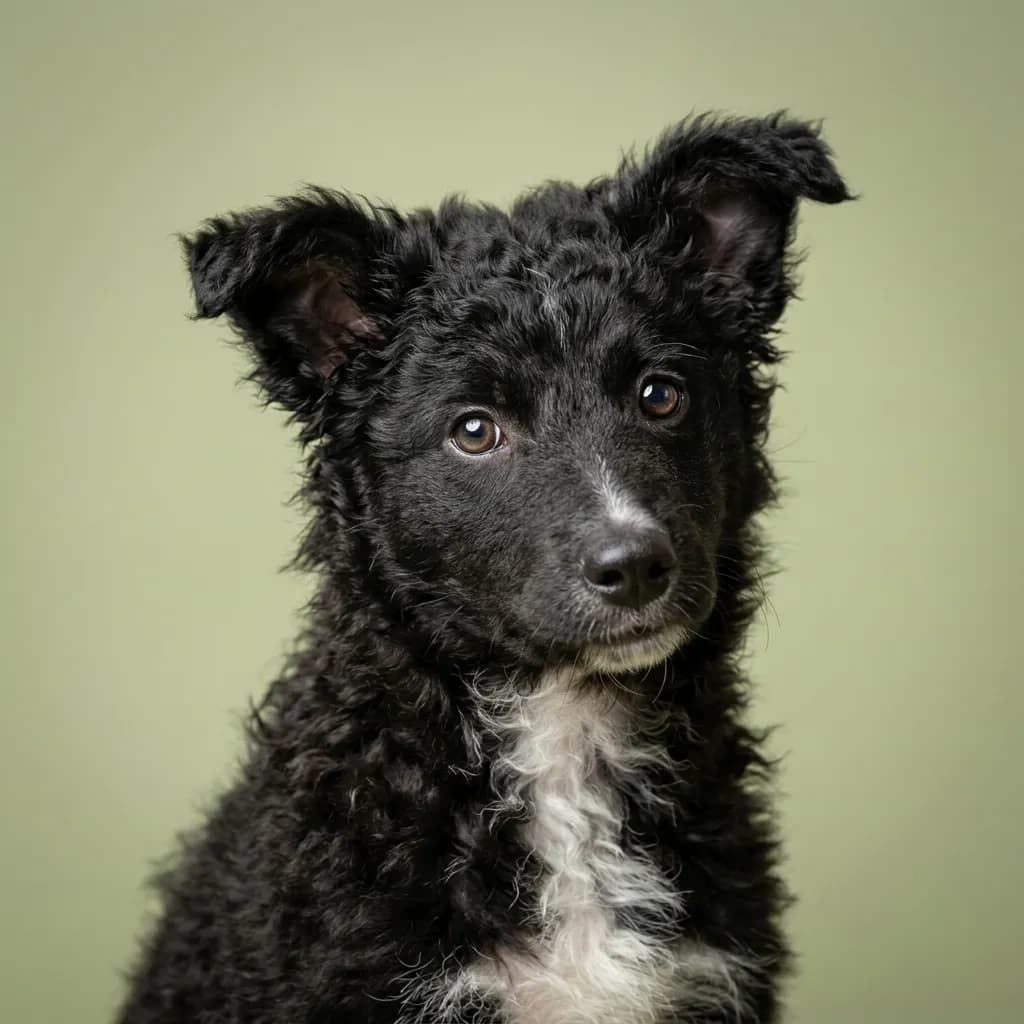
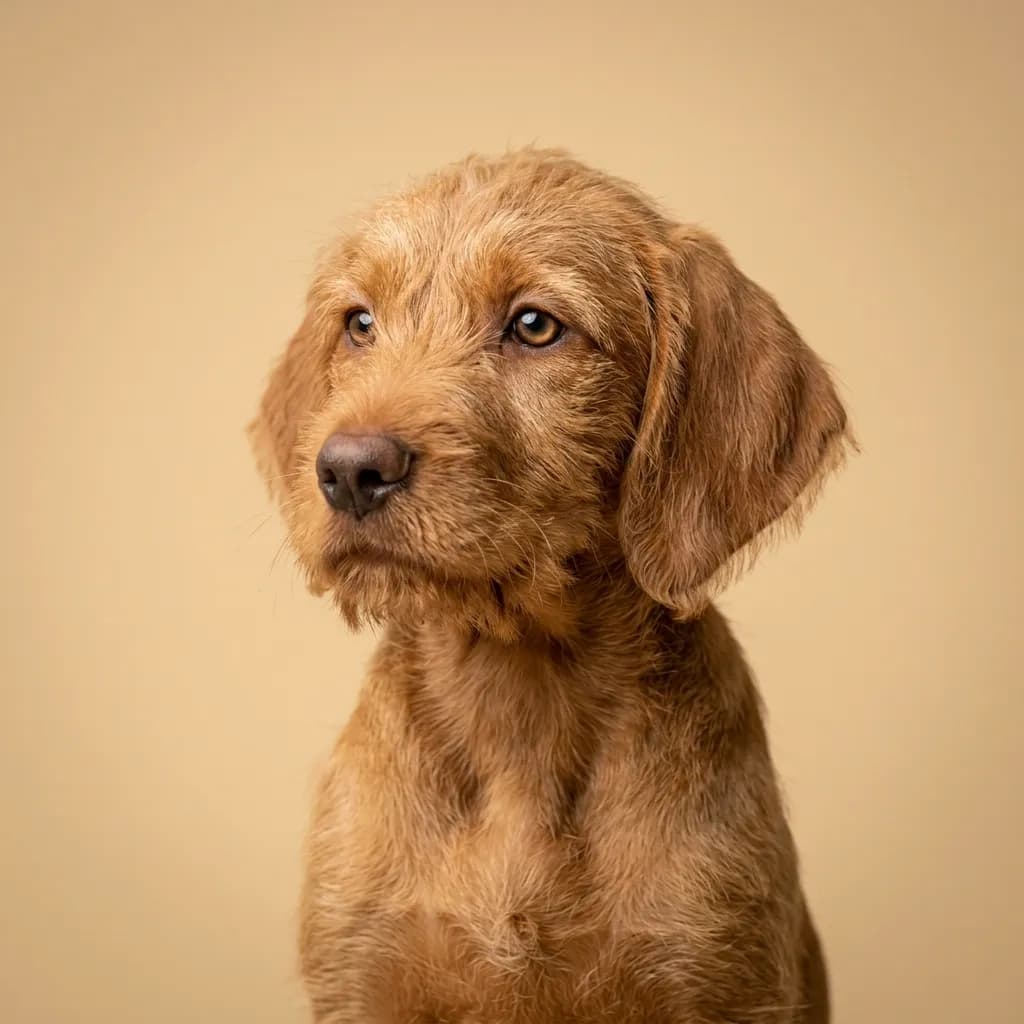
People compare Mudis and Wirehaired Vizslas because they’re both rare, Hungarian, high-drive dogs with that “intense but loyal” gaze. They look like distant cousins at the dog park and both demand activity. But that’s where the similarities end. Think of the Mudi as the wiry, turbocharged border collie of the bunch. constantly scanning, reacting, herding your kids into neat lines if you let it. It’s a 28-pound lightning bolt with a mind that never powers down. You don’t just walk a Mudi, you negotiate with it. Great for dog sports, not so great if you’re hoping for a chill movie night. The Wirehaired Vizsla, meanwhile, is the rugged outdoor companion who’d happily spend all weekend tracking pheasant in the rain then cuddle up by the fire like a golden retriever with better endurance. At 60 pounds, it’s nearly twice the size, softer in temperament, and deeply bonded to its people. especially older kids. It’s still intense, but it channels that energy into partnership, not problem-solving on its own terms. If you’re a first-time owner or want a dog that’s happy with a long walk and some puzzle toys, neither will fit. But between the two, the Vizsla is more forgiving. The Mudi needs a handler, not just an owner. Here’s the real talk: both breeds are prone to epilepsy, but the Mudi’s sensitivity. emotional and physical. means it can’t handle chaos or inconsistency. The Wirehaired Vizsla is more resilient, but both need owners who understand that “high energy” means a daily job, not just a jog. Choose the Mudi if you want a brilliant, obsessive co-pilot. Choose the Vizsla if you want a devoted, rugged partner who’ll hunt, hike, and still kiss your face at bedtime.
Trait-by-trait
Higher bar = more of that trait. Shedding, barking, drooling, grooming flipped for readability.Where they diverge
Choose the Mudi if…
- Active families
- Experienced herding breed owners
- Dog sport enthusiasts
- You value watchdog / protective — Mudi scores noticeably higher.
Choose the Wirehaired Vizsla if…
- Active hunters
- Outdoor enthusiasts
- Experienced dog owners
- You value good with young children — Wirehaired Vizsla scores higher here.