Pembroke Welsh Corgi vs Pug
Side-by-side comparison across all 14 AKC trait ratings, with a clear verdict on which breed fits which kind of household.

Not sure which breed fits your life?
Answer five questions about your home, your schedule, and your tolerance for shedding. We’ll match you to your top three breeds from over 200.
Pembroke Welsh Corgi vs Pug
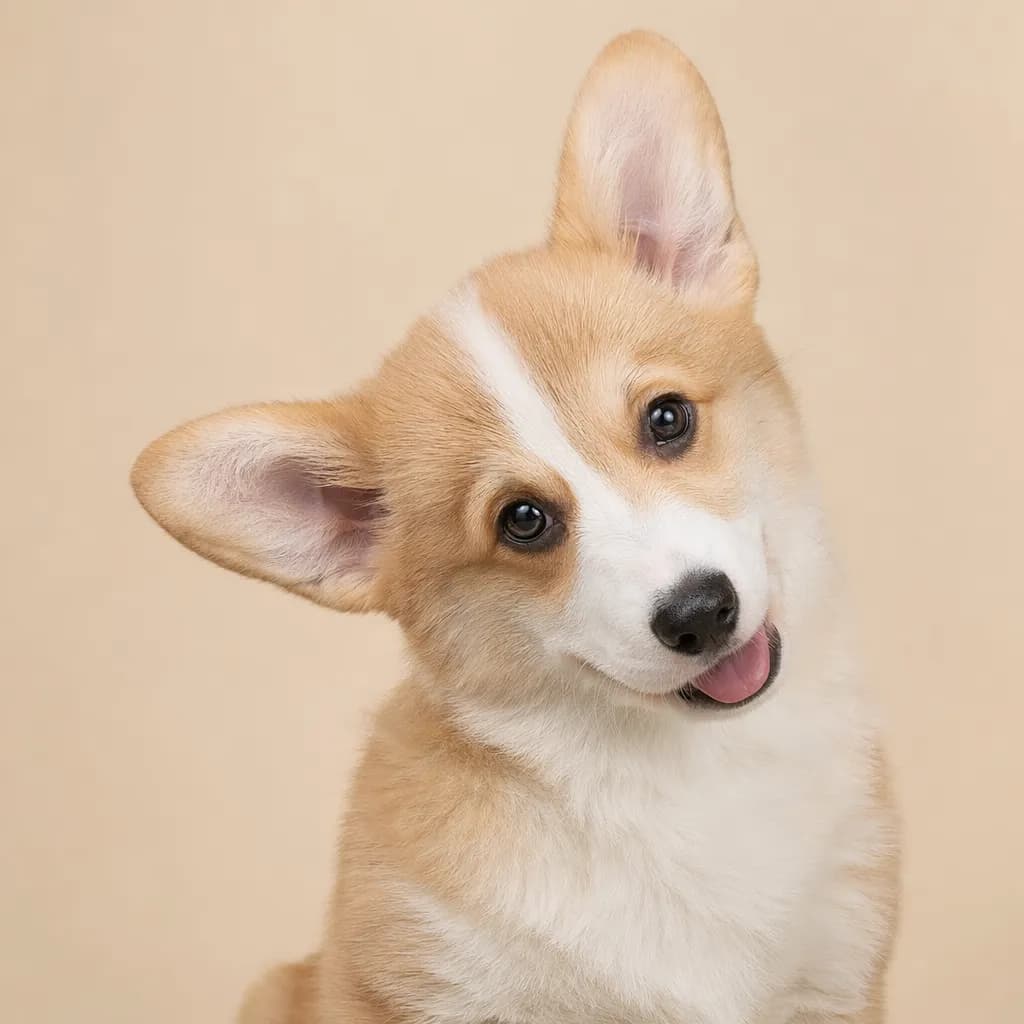
People compare Pembrokes and Pugs because they’re both compact, big-personality dogs that fit in small spaces. They’re popular, they’re cute, and they’re often the top search result when someone says “small dog with attitude.” But beyond size and charm, they couldn’t be more different. The Corgi is a working dog through and through. Bred to herd cattle, it’s sharp, energetic, and always watching. You’ll get a dog that wants to know what’s happening, when it’s happening, and probably try to manage it. They’re affectionate but bossy, smart but stubborn, and they shed. constantly. If you’re home a lot, active, and don’t mind a dog that barks at the mail carrier like it’s a national threat, a Corgi fits. But if your kids are always underfoot, the herding instinct might not be cute. it might be annoying or even unsafe. The Pug, on the other hand, is a lover, not a worker. They’re bred for lounging on silk pillows, not moving livestock. They’ll flop into your lap, snore through movie night, and charm everyone in sight. They don’t bark much, which makes them great in apartments, and they’re almost always good with kids. But their flat faces make them prone to breathing issues, so hot weather or strenuous exercise is a no-go. And they shed. surprisingly a lot for such a small dog. The real difference? Purpose. Corgis were built to work; Pugs were built to be loved. If you want a partner in activity and adventure, the Corgi wins. If you want a warm, mischievous buddy who just wants to be near you, go Pug. Here’s the thing no one says: Pugs are often easier for first-time owners not because they’re simpler, but because they’re more forgiving of inconsistency. Corgis notice when you’re unsure. and take charge.
Trait-by-trait
Higher bar = more of that trait. Shedding, barking, drooling, grooming flipped for readability.Where they diverge
Choose the Pembroke Welsh Corgi if…
- Active families
- Apartment or small home living with exercise
- Dog sport enthusiasts
- You value barking level — Pembroke Welsh Corgi scores noticeably higher.
Choose the Pug if…
- Apartment living
- Seniors
- Families with children
- You value good with young children — Pug scores higher here.