Polish Lowland Sheepdog vs Tosa
Side-by-side comparison across all 14 AKC trait ratings, with a clear verdict on which breed fits which kind of household.
Not sure which breed fits your life?
Answer five questions about your home, your schedule, and your tolerance for shedding. We’ll match you to your top three breeds from over 200.
Polish Lowland Sheepdog vs Tosa
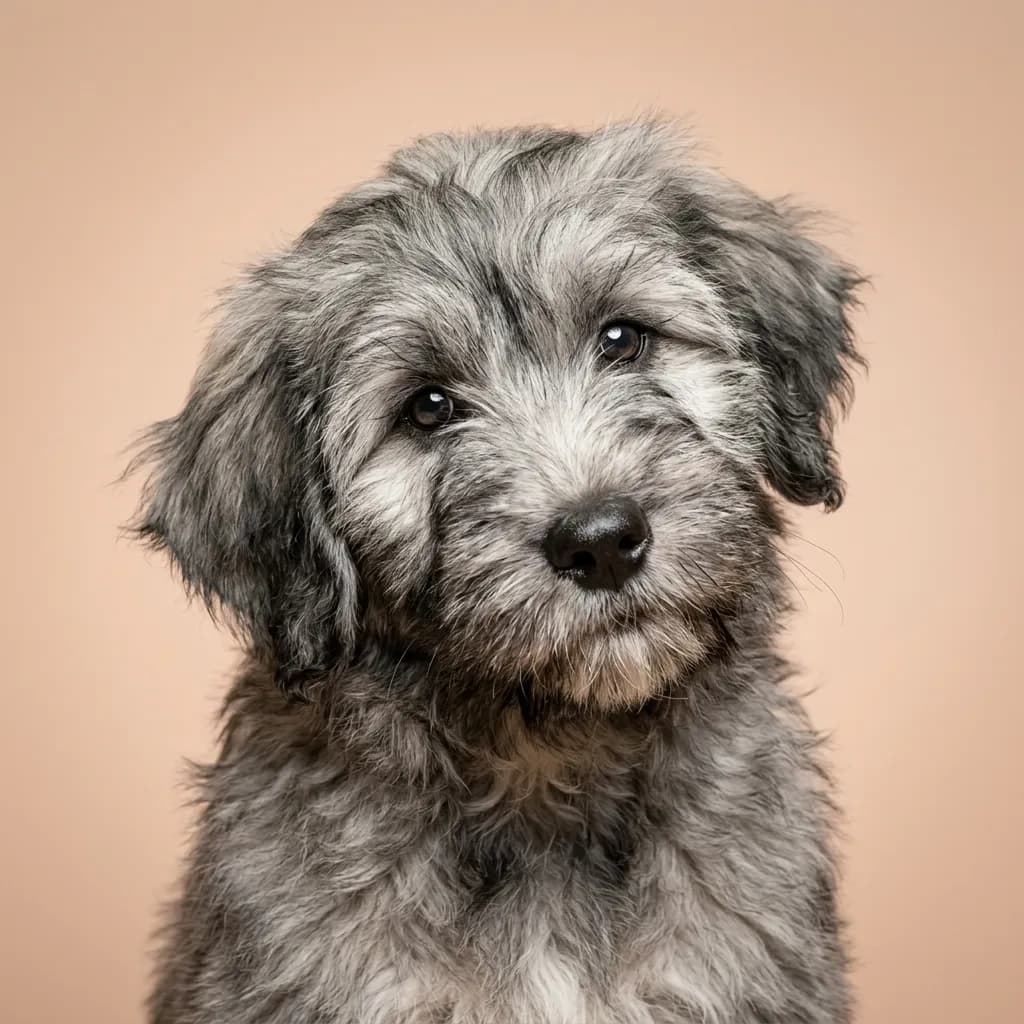
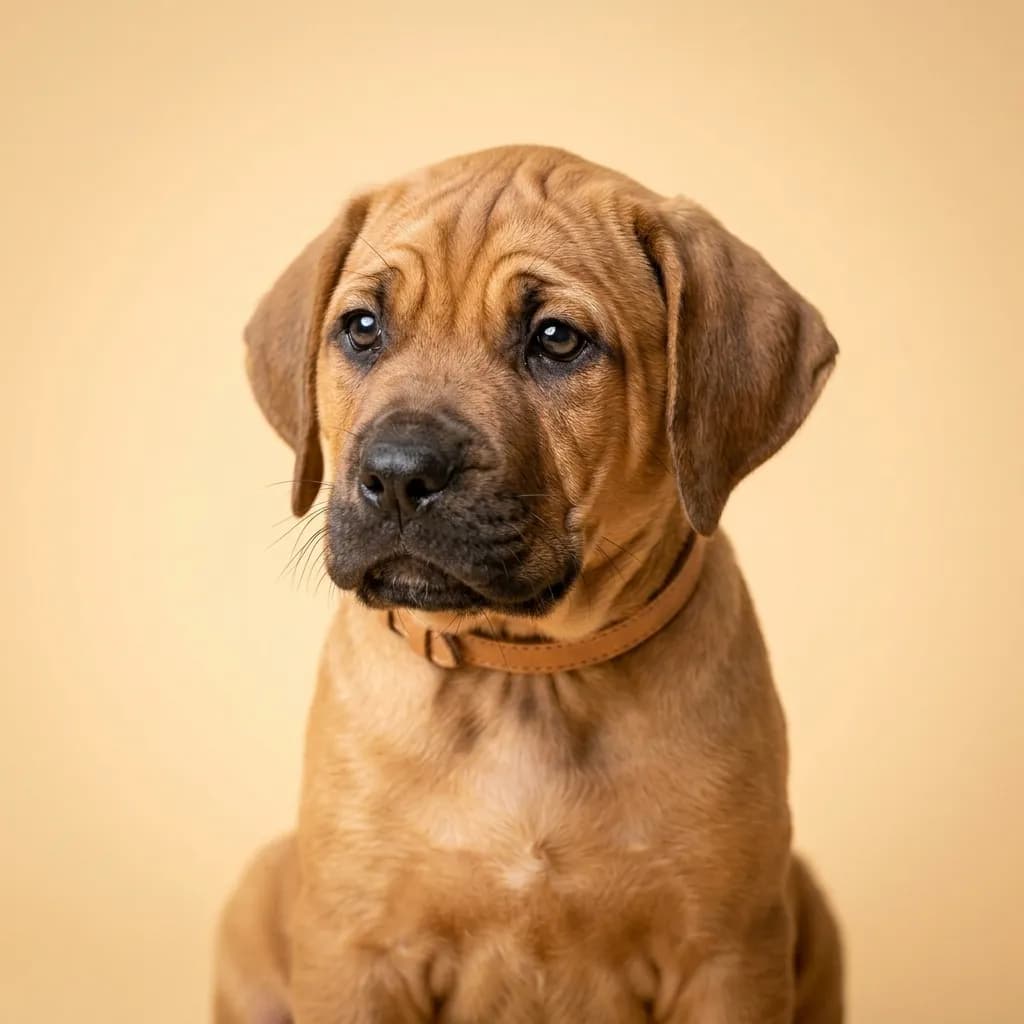
You’re probably not cross-shopping a Polish Lowland Sheepdog and a Tosa unless you’ve fallen down a rabbit hole of rare breeds and strong personalities. People compare them because both are uncommon, both have serious jobs in their bloodlines, and both demand commitment. but that’s where the similarities end. This isn’t a choice between two shades of the same color. It’s a choice between a nimble, scruffy comedian with a work ethic and a silent, mountainous guardian with the calm of a monk and the presence of a tank. The Ploof, as fans call it, is the dog you’ll find herding trials, doing agility, or greeting your kids after school with a wag and a goofy grin. At 30 to 50 pounds, he’s manageable, adaptable to city or country, and thrives on mental puzzles and cold-weather hikes. He’ll bark at squirrels, demand engagement, and need weekly grooming. but he’ll love you out loud every day. He’s not for beginners, but he’s built for life with active people who want a partner. The Tosa is a different kind of commitment. Bred for dog fighting in Japan, today’s Tosa is a deeply loyal, reserved giant. 100 to 200 pounds of muscle that moves like he owns the ground. He’s not aggressive by nature, but he’s not casual either. He needs experienced handling, space, and secure fencing. He’s not the dog you take to puppy class. He’s the dog who sits beside you like a sentinel, calm and watchful, earning trust slowly. Here’s the real talk: the Ploof wants to be part of your life. The Tosa becomes your life. Pick the first if you want a dog with spark and versatility. Pick the second only if you’ve earned the right to own one.
Trait-by-trait
Higher bar = more of that trait. Shedding, barking, drooling, grooming flipped for readability.Where they diverge
Choose the Polish Lowland Sheepdog if…
- Active families
- Experienced herding breed owners
- Dog sport enthusiasts
- You value coat grooming — Polish Lowland Sheepdog scores noticeably higher.
Choose the Tosa if…
- very experienced large-breed owners
- homes with secure property
- owners seeking a calm giant breed companion
- You value drooling level — Tosa scores higher here.