Russell Terrier vs Sealyham Terrier
Side-by-side comparison across all 14 AKC trait ratings, with a clear verdict on which breed fits which kind of household.

Not sure which breed fits your life?
Answer five questions about your home, your schedule, and your tolerance for shedding. We’ll match you to your top three breeds from over 200.
Russell Terrier vs Sealyham Terrier
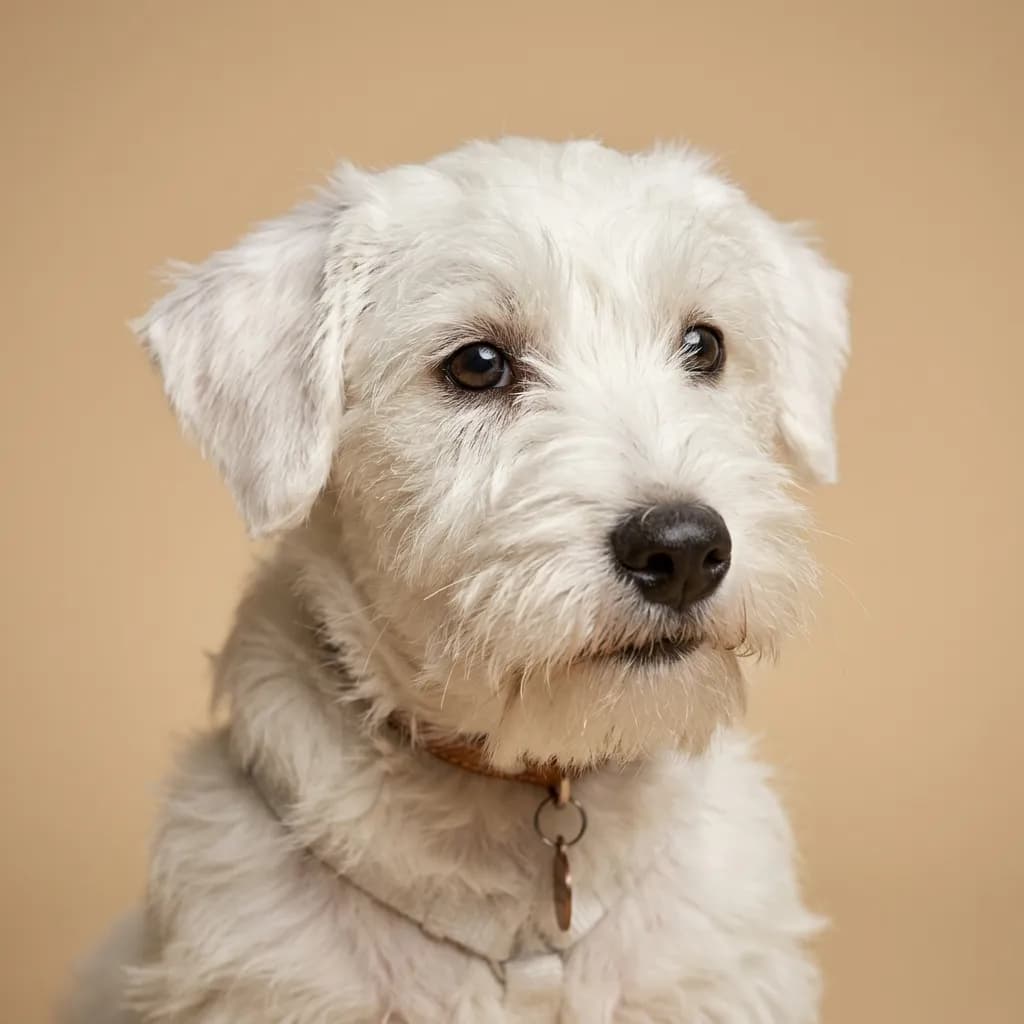
People compare the Russell Terrier and the Sealyham Terrier because they’re both small, feisty terriers with big personalities packed into compact bodies. At first glance, they might seem like two sides of the same coin—alert, spirited, and loyal to their people. But if you’re choosing between them, you’re really deciding what kind of energy you want in your home. The Russell Terrier is a tornado in a 12-pound frame. Bred to bolt foxes from tight dens, this dog has endless stamina, a need for mental puzzles, and a tendency to launch off fences if something scurries by. You’ll need secure fencing and a plan for daily physical and brain work. They’re affectionate with their people but can be sharp with young kids and will chase cats like it’s their job. Trainability is moderate—they’re smart but opinionated. The Sealyham, though similar in height, is nearly twice as heavy and carries itself like a little gentleman. Bred for going to ground after badgers, they’re tougher and more deliberate. They’ve got a quirky sense of humor and bond deeply, but they’re less frantic. You’ll still need to manage barking and prey drive, but they’re better suited to a quieter life—think walks around the block, not agility circuits. Here’s the real difference: the Russell will keep up with you; the Sealyham will slow you down. If you’re active and want a dog that thrives in dog sports or hiking, go Russell. If you’re a senior or want a loyal, low-key companion with terrier charm, the Sealyham fits. Just know this—both are rare, and finding a responsible breeder takes time. And neither will ever truly listen when a squirrel’s within earshot.
Trait-by-trait
Higher bar = more of that trait. Shedding, barking, drooling, grooming flipped for readability.Where they diverge
Choose the Russell Terrier if…
- Active owners
- Dog sports enthusiasts
- Families with older children
- You value good with other dogs — Russell Terrier scores noticeably higher.
Choose the Sealyham Terrier if…
- Apartment living
- Seniors
- Those wanting a less active terrier
- You value coat grooming — Sealyham Terrier scores higher here.