Saluki vs Tosa
Side-by-side comparison across all 14 AKC trait ratings, with a clear verdict on which breed fits which kind of household.
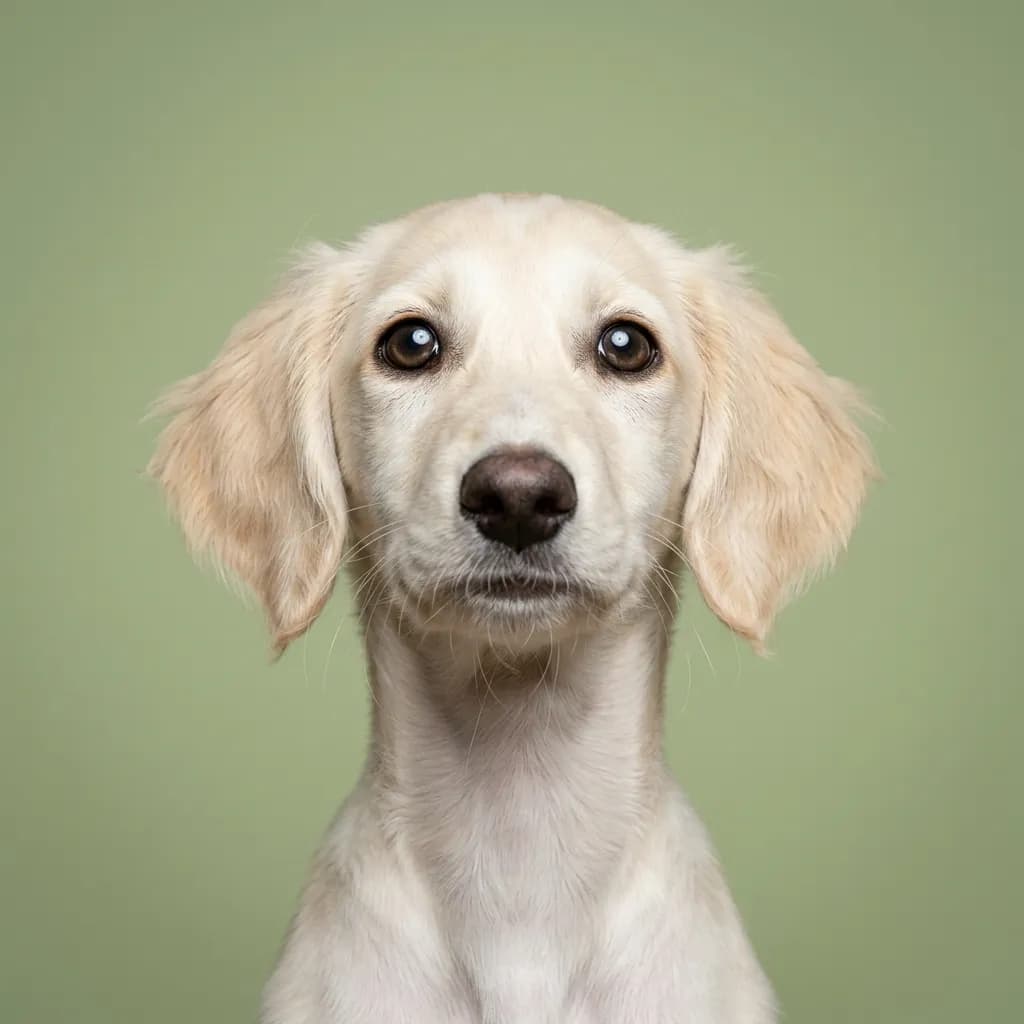
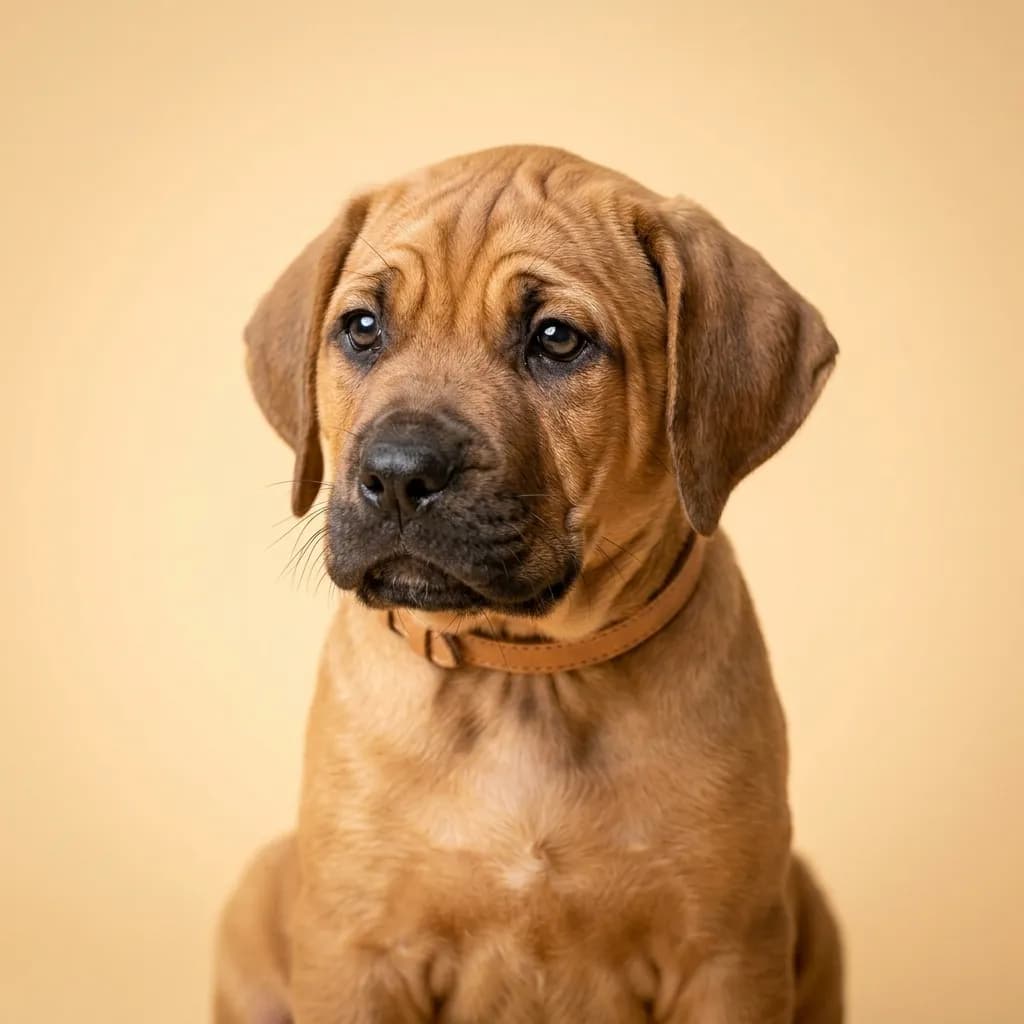
Not sure which breed fits your life?
Answer five questions about your home, your schedule, and your tolerance for shedding. We’ll match you to your top three breeds from over 200.
Saluki vs Tosa
People compare Salukis and Tosas because both are rare, culturally significant breeds with quiet dignity—but that’s where the similarities end. One is a desert ghost, built for speed and silence. The other is a mountain of muscle, bred for endurance and presence. Choosing between them isn’t about preference for rare breeds. It’s about choosing between two entirely different philosophies of dog. The Saluki is elegance in motion. Light as a feather on its feet, this hound lives to run. You’ll need a fenced yard—no, you’ll beg for one—because a Saluki won’t think twice about chasing a squirrel into the next county. They’re affectionate but on their own terms. They’ll curl beside you at night but won’t follow you to the bathroom. They’re sighthounds: observant, independent, mentally sharp. You’re not commanding a Saluki so much as negotiating with a very fast, very graceful diplomat. The Tosa is the opposite. Massive, calm, and intensely loyal, it’s a dog that takes up space—not just physically, but emotionally. It’s not aggressive by nature, but it carries authority. It’s bred from fighters, but today’s Tosa is a gentle giant in the right hands. Still, it needs an owner who understands power and control. This isn’t a dog for suburbs with HOAs or cities with breed restrictions. It’s for someone with land, experience, and the calm confidence to lead. Here’s the truth beyond the data: the Saluki will break your heart when it’s gone—17 years is possible, but feels too short. The Tosa won’t live quite as long, and losing 150 pounds of devoted companionship leaves a crater in your life. One is a whisper of wind across sand. The other is a fortress that leans on you. Pick based on which kind of absence you can bear.
Trait-by-trait
Higher bar = more of that trait. Shedding, barking, drooling, grooming flipped for readability.Where they diverge
Choose the Saluki if…
- Active owners with running space
- Experienced sighthound owners
- Those wanting an elegant, quiet breed
- You value good with other dogs — Saluki scores noticeably higher.
Choose the Tosa if…
- very experienced large-breed owners
- homes with secure property
- owners seeking a calm giant breed companion
- You value watchdog / protective — Tosa scores higher here.