Sealyham Terrier vs Wetterhoun
Side-by-side comparison across all 14 AKC trait ratings, with a clear verdict on which breed fits which kind of household.

Not sure which breed fits your life?
Answer five questions about your home, your schedule, and your tolerance for shedding. We’ll match you to your top three breeds from over 200.
Sealyham Terrier vs Wetterhoun
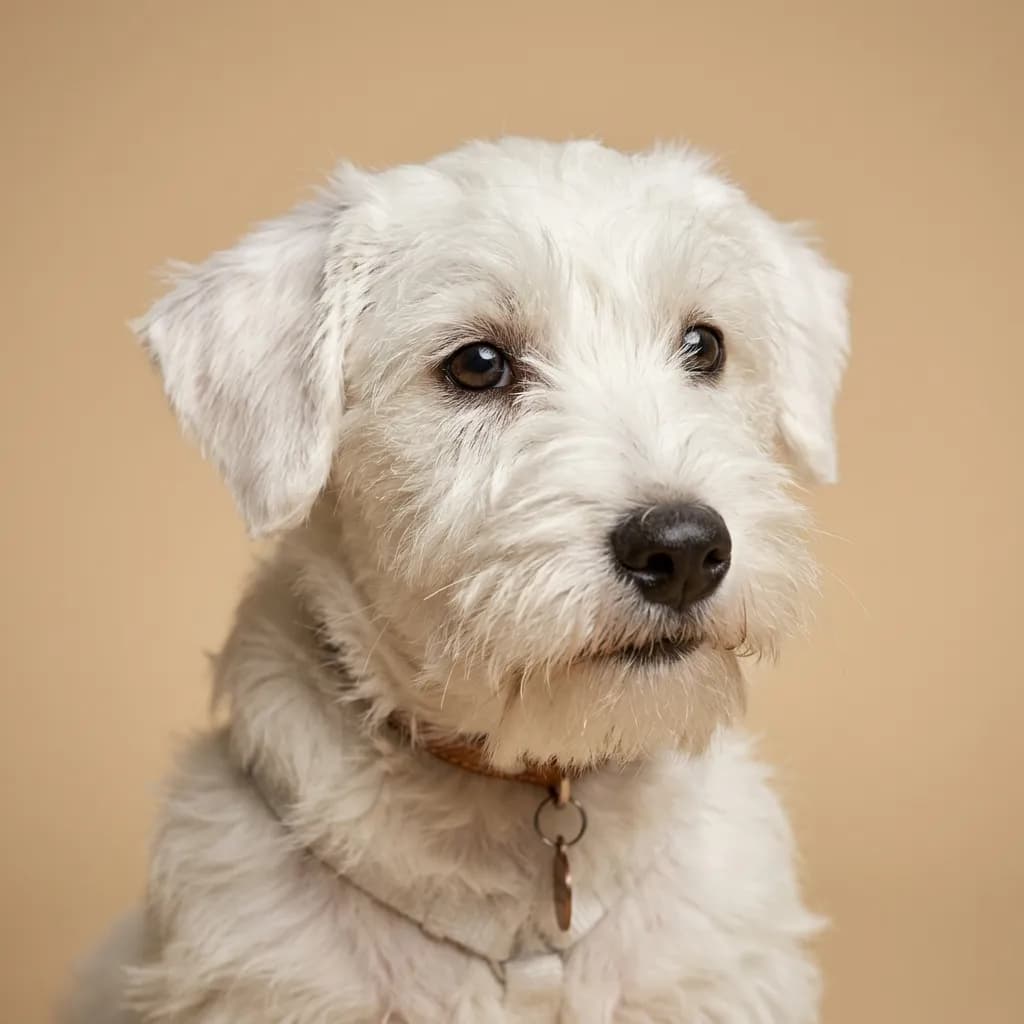
You probably wouldn’t compare a Sealyham Terrier and a Wetterhoun unless you’re deep in the world of rare, working breeds with serious personality. On paper, they’re both tenacious hunters with strong wills and wiry coats, but in real life? They’re worlds apart. Think of the Sealyham as the compact, witty Welsh comedian with a stubborn streak and a love for a good nap on your lap. The Wetterhoun? He’s the quiet, intense Dutch outdoorsman who’d rather be tracking through marshland than sitting in a suburban backyard. The Sealyham is small enough to fit in a carry-on—just over 20 pounds, big on charm, and loud when he wants to be. He’s affectionate to a fault, thrives in quieter homes, and actually does okay in apartments if you give him a few walks and some puzzle toys. He needs grooming, yes, but his sense of humor and loyalty make the upkeep feel worth it. He’s great with older kids but won’t tolerate chaos or tiny pets. That bark? It’s not endless, but it’s frequent, and he’ll let you know when the mailman breathes too loud. The Wetterhoun is a different beast entirely—bigger, burlier, built for cold Dutch wetlands. He’s not hyper, but he needs purpose. Left idle, he’ll find his own job, and it probably involves digging up your garden. He’s loyal and calm with his family, but aloof with strangers and needs early, consistent socialization. His coat doesn’t shed, but it traps mud like a sponge. You don’t own a Wetterhoun—you partner with him. Here’s the real insight: The Sealyham chooses you as much as you choose him. The Wetterhoun? You’d better be ready to earn his respect. One’s a companion with a hunter’s heart. The other’s a working dog who tolerates affection—on his terms.
Trait-by-trait
Higher bar = more of that trait. Shedding, barking, drooling, grooming flipped for readability.Where they diverge
Choose the Sealyham Terrier if…
- Apartment living
- Seniors
- Those wanting a less active terrier
- You value watchdog / protective — Sealyham Terrier scores noticeably higher.
Choose the Wetterhoun if…
- hunters
- active rural owners
- experienced sporting dog owners