Spanish Water Dog vs Wetterhoun
Side-by-side comparison across all 14 AKC trait ratings, with a clear verdict on which breed fits which kind of household.
Not sure which breed fits your life?
Answer five questions about your home, your schedule, and your tolerance for shedding. We’ll match you to your top three breeds from over 200.
Spanish Water Dog vs Wetterhoun
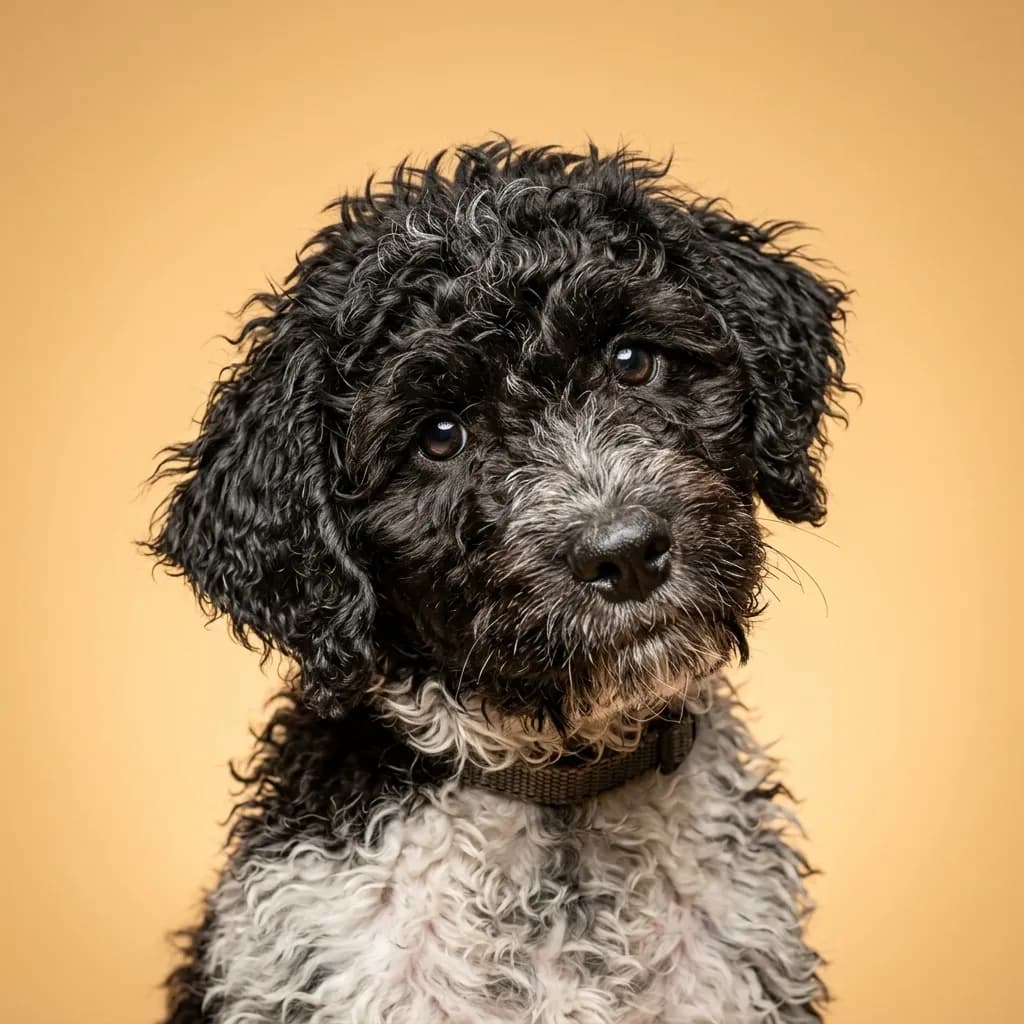
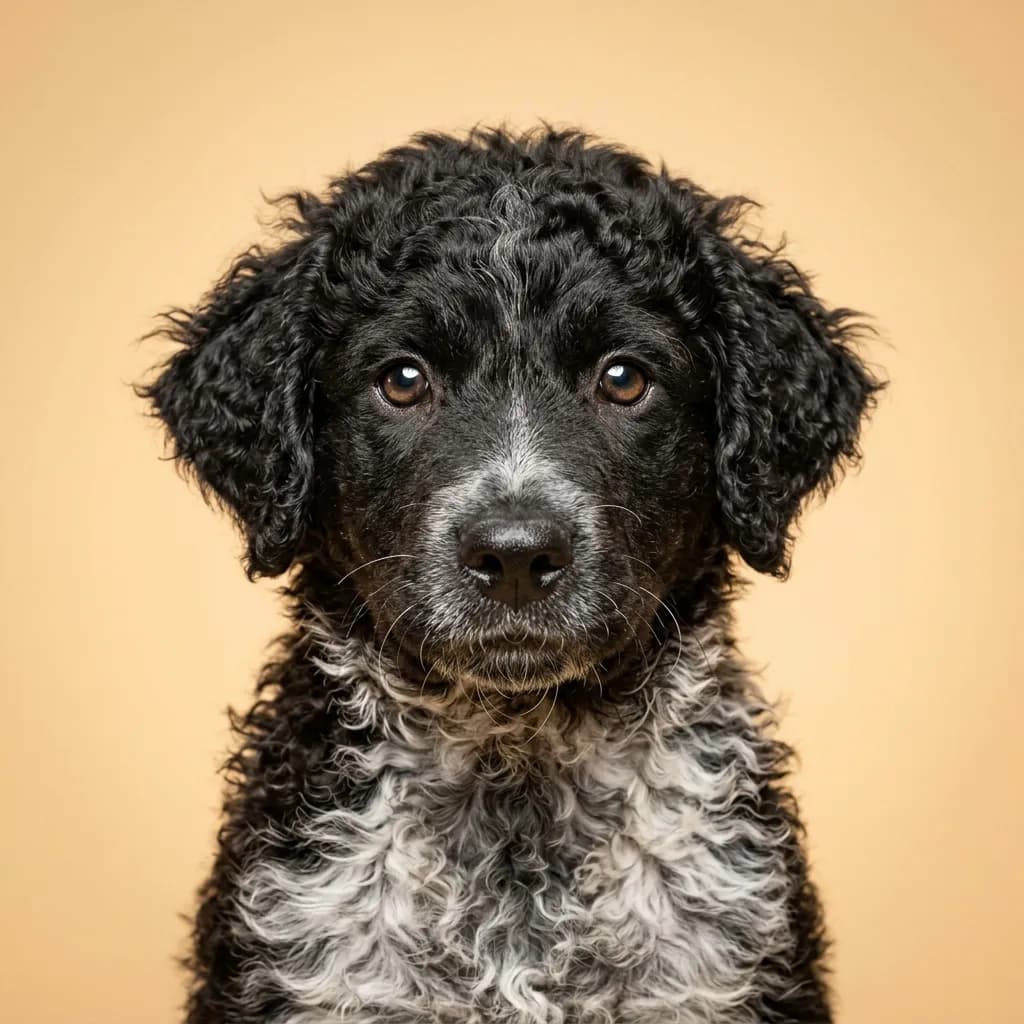
You don’t see a lot of curly coated, water-loving, rare European breeds wandering around the dog park—so when you do, people start asking, “Is that a Spanish Water Dog? Or maybe a Wetterhoun?” That’s why these two get compared. They look vaguely similar from a distance—both wiry, both built for wet work—but that’s where the story diverges. The Spanish Water Dog is your high-octane partner in crime. Think agility, herding trials, dock diving, or just 10 miles on the trail. At 30–50 pounds, they’re compact but packed with drive. They bond fiercely, crave mental puzzles, and need daily challenges. Let their coat cord naturally, commit to the upkeep, and you’ve got a loyal, low-shedding companion for life. But if you’re couch-bound or lack time for training, this isn’t the breed. They’re not just active—they need purpose. The Wetterhoun? Heavier, broader, and built like a Dutch farmhand, this breed is a quiet powerhouse. Don’t let the 0s in the trait data fool you—those are placeholder gaps, not actual scores. In reality, Wetterhouns are solidly energetic, moderately trainable, and deeply loyal. They’re calmer than SWDs but still demand space, cold climates, and a job—usually hunting or fieldwork. They form tight family bonds and can be aloof with strangers, needing early socialization. You’ll find them happiest in rural settings, romping through marshes in the rain. Here’s the real talk: both breeds are rare, both need experienced hands, but the Spanish Water Dog thrives on intensity and connection, while the Wetterhoun offers stoic companionship with a hunter’s focus. Pick the SWD if you want a furry teammate. Choose the Wetterhoun if you want a rugged, loyal shadow who doesn’t need to be “on” all the time.
Trait-by-trait
Higher bar = more of that trait. Shedding, barking, drooling, grooming flipped for readability.Where they diverge
Choose the Spanish Water Dog if…
- Active owners
- Allergy sufferers
- Dog sports enthusiasts
- You value good with young children — Spanish Water Dog scores noticeably higher.
Choose the Wetterhoun if…
- hunters
- active rural owners
- experienced sporting dog owners