Stabyhoun vs Tosa
Side-by-side comparison across all 14 AKC trait ratings, with a clear verdict on which breed fits which kind of household.
Not sure which breed fits your life?
Answer five questions about your home, your schedule, and your tolerance for shedding. We’ll match you to your top three breeds from over 200.
Stabyhoun vs Tosa
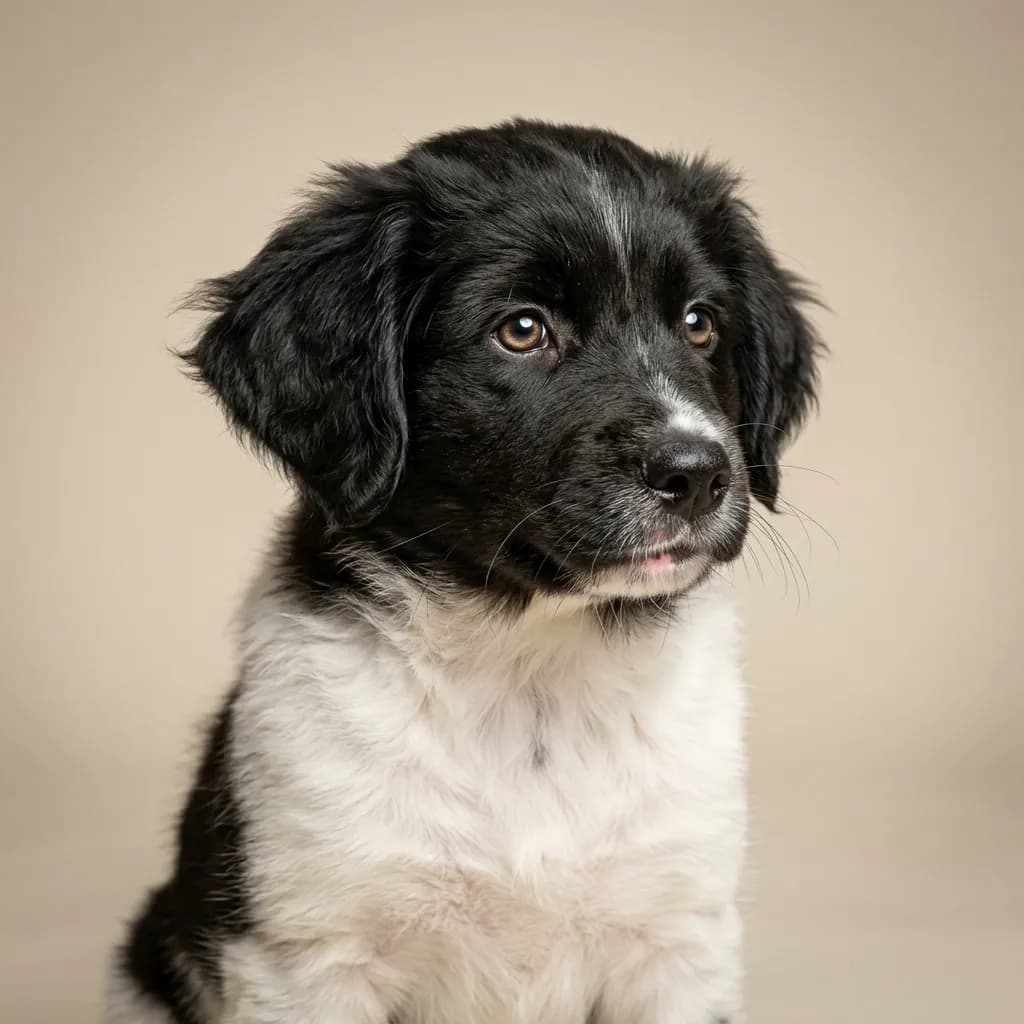
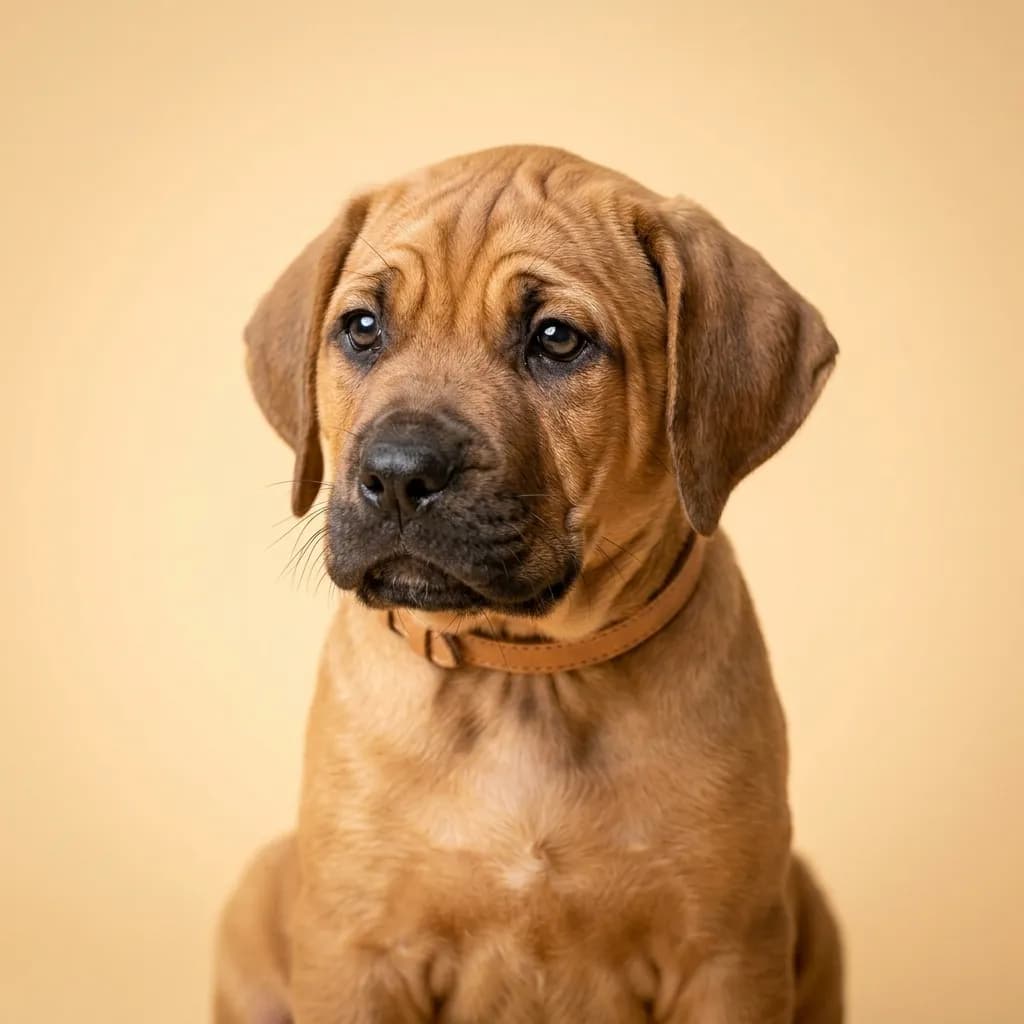
You’re probably not comparing a Stabyhoun and a Tosa because they’re obvious rivals. You’re here because you’ve fallen down a rabbit hole of rare breeds and found two obscure dogs from opposite ends of the size and soul spectrum—one a Dutch farmhand, the other a Japanese gentle giant with a dark past. But that’s exactly why the comparison matters. Both are rare, both are loyal, but they demand entirely different lives. The Stabyhoun is the athlete you take on adventures. At 50 pounds, it’s lean, alert, and built for motion—hunting, retrieving, agility, you name it. It thrives on engagement, loves kids, and will happily join your family hike, swim, or weekend hunt. You’ll need to keep its mind busy or it’ll find its own entertainment, likely involving your slippers. It’s the kind of dog that learns a trick in five minutes and then judges you for not having another ready. The Tosa is the quiet guardian. Massive, often over 150 pounds, it moves with calm intention. Bred from fighting lines, it’s now a serene companion—loyal, affectionate with its people, but reserved with strangers and other dogs. It won’t bark much, doesn’t need hours of activity, but it does need space, structure, and an owner who understands how to handle a powerful breed. It’s not the dog for a city apartment or a novice. Here’s the real insight: the Stabyhoun wants to be your partner. The Tosa wants to be your shadow. One demands activity and purpose. The other demands respect and control. Choose the Stabyhoun if you want an eager, all-terrain family dog that lives for the next task. Choose the Tosa only if you’re ready for a giant with a quiet intensity and a need for firm, experienced leadership. And if you’re still deciding between them, ask yourself: do you want a teammate or a titan?
Trait-by-trait
Higher bar = more of that trait. Shedding, barking, drooling, grooming flipped for readability.Where they diverge
Choose the Stabyhoun if…
- active families
- hunters and waterfowl retrievers
- dog sport enthusiasts
- You value good with other dogs — Stabyhoun scores noticeably higher.
Choose the Tosa if…
- very experienced large-breed owners
- homes with secure property
- owners seeking a calm giant breed companion
- You value watchdog / protective — Tosa scores higher here.