Welsh Terrier vs Wetterhoun
Side-by-side comparison across all 14 AKC trait ratings, with a clear verdict on which breed fits which kind of household.

Not sure which breed fits your life?
Answer five questions about your home, your schedule, and your tolerance for shedding. We’ll match you to your top three breeds from over 200.
Welsh Terrier vs Wetterhoun
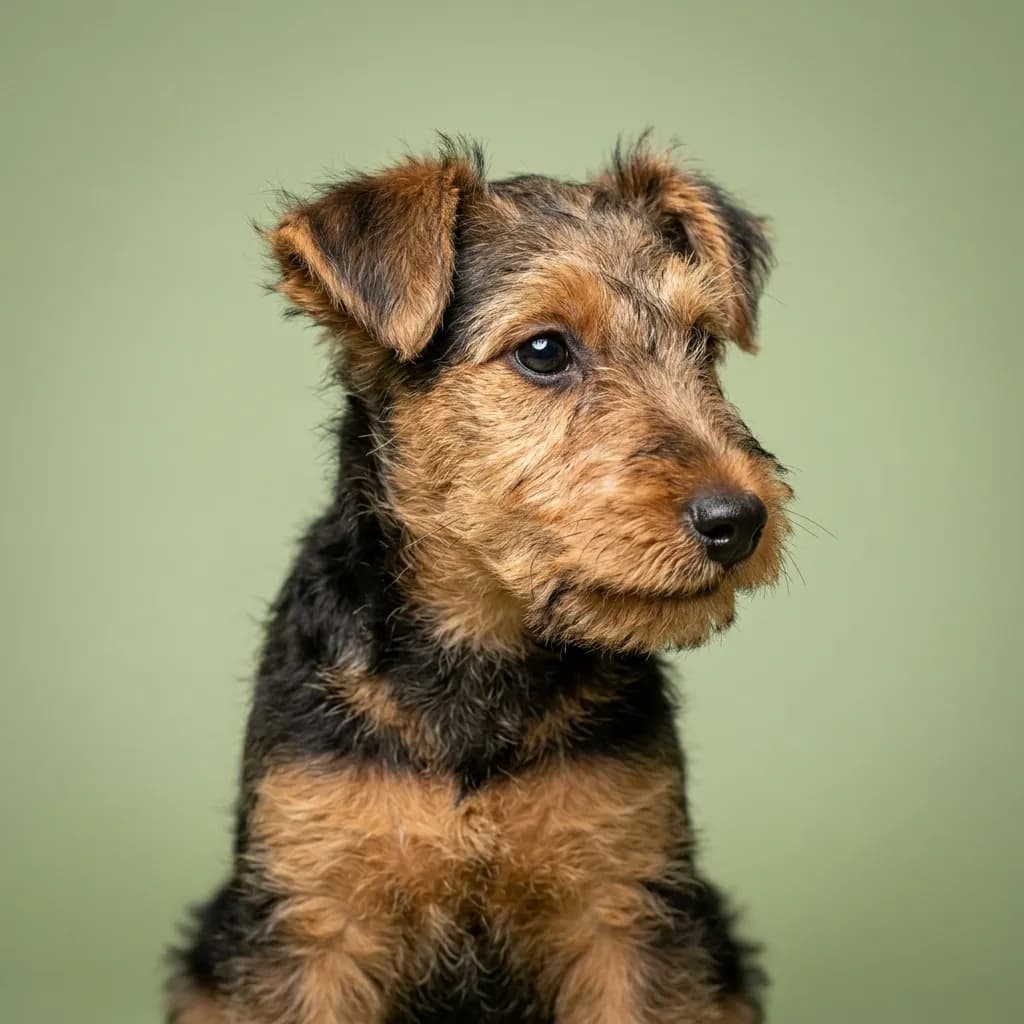
You don’t see a Welsh Terrier and a Wetterhoun side by side at dog parks—chances are, you haven’t seen either. But if you’re digging deep into rare, working terriers and water dogs with strong wills and even stronger smells when wet, you might end up comparing these two. They’re both built for tough jobs in wet country, but that’s where the similarities sink. The Welsh Terrier is your spirited little fireplug from the hills of Wales. He’s barely over 15 inches tall but packs the confidence of a dog ten times his size. He’s great with kids, loves to play, and will bark at anything that moves. If you’re active and want a loyal, low-shedding buddy who thrives on hikes and backyard games, he’ll fit right in. But don’t expect a quiet evening dog—he needs jobs, puzzles, and space to explore (safely fenced, always). The Wetterhoun? That’s a different beast. He’s big, solid, and built like a Dutch farm truck—rare, rugged, and mostly unknown outside the Netherlands. He was bred to drag otters out of wet ditches, so he’s strong, independent, and needs experienced handling. He’s not a barky dog, but he’s not a cuddler on demand either. He bonds deeply with his family but can be aloof with strangers. And yes, that coat doesn’t shed, but it holds water like a swamp sponge. Here’s the real talk: the Welsh Terrier fits modern family life better, even with his energy. The Wetterhoun isn’t broken, but he’s not plug-and-play. He needs space, purpose, and someone who speaks fluent dog. Pick the Welsh Terrier if you want a lively, affectionate companion. Pick the Wetterhoun only if you’re ready for a project—and you’re okay with people asking, “What is that?” for the next 13 years.
Trait-by-trait
Higher bar = more of that trait. Shedding, barking, drooling, grooming flipped for readability.Where they diverge
Choose the Welsh Terrier if…
- Active families
- Those wanting a spirited, playful companion
- Families with children
- You value good with young children — Welsh Terrier scores noticeably higher.
Choose the Wetterhoun if…
- hunters
- active rural owners
- experienced sporting dog owners