Von Willebrand Disease
What It Is
Von Willebrand Disease (vWD) is the most common inherited bleeding disorder in dogs. Think of it like hemophilia in humans—it messes with your dog’s ability to form blood clots. The problem lies in a missing or defective protein called von Willebrand Factor (vWF), which helps platelets stick together and seal off damaged blood vessels. Without enough functional vWF, even a small cut or minor injury can lead to prolonged bleeding. There are three types (Type 1 being mildest, Type 3 most severe), and most affected dogs have Type 1, which can be so mild they never show symptoms. But it’s still genetic, meaning it’s passed down from parent to pup—so responsible breeding matters a lot.
Symptoms to Watch For
Most dogs with vWD, especially Type 1, live normal lives and never have a bleeding crisis. But here’s what to keep an eye on: nosebleeds that won’t stop, bleeding gums (especially after chewing toys or during teething), excessive bruising, or blood in urine or stool. You might notice your dog seems unusually tired—could be from slow, chronic blood loss. More serious signs pop up during surgeries, dental cleanings, or trauma. A routine spay or neuter can turn into an emergency if your vet isn’t aware of the condition. Female dogs may bleed heavily during heat cycles or after giving birth. Bottom line: if your dog is from a high-risk breed and bleeds more than seems right after a minor injury, ask your vet about vWD testing.
Diagnosis
Diagnosing vWD starts with suspicion based on breed and symptoms, but the real answer comes from blood testing. The go-to test measures the amount of von Willebrand Factor in the blood—called a vWF antigen test. It’s a simple blood draw, often sent to a specialty lab. Results are reported as a percentage: under 50% is considered low, under 20% is high risk for bleeding. Some vets will also do a buccal mucosal screening time (a tiny cut inside the lip to see how fast it stops bleeding), but that’s less reliable. The vWF test costs between $60 and $120, usually a one-time expense. And here’s a pro tip: test before breeding or even before adopting—some breeders provide results, but always double-check.
Treatment Options
There’s no cure for vWD, but most dogs don’t need daily treatment. The goal is managing risk. If your dog needs surgery, your vet might recommend a blood transfusion or a plasma-derived product called DDAVP (desmopressin) to temporarily boost vWF levels. DDAVP isn’t cheap—$100 to $300 per dose—and it doesn’t work for all dogs or all types of vWD. You’ll want to do a trial run before any major procedure to see if your dog responds. For dogs with severe disease (rare), you might need to avoid rough play, hard chew toys, or anything that could cause injury. Always keep a styptic powder or gauze on hand for nail trims gone wrong. And never give NSAIDs like ibuprofen or aspirin—those can make bleeding worse.
Prevention and Screening
This one’s non-negotiable: screen breeding dogs. Period. If you’re getting a puppy from a high-risk breed, make sure both parents have been tested and have normal vWF levels. Reputable breeders will provide documentation. Avoid breeders who say, “We’ve never had a problem”—that’s not a test. Screening is cheap compared to emergency vet bills. If both parents are clear, your pup has virtually no risk. If one parent is affected, there’s a 50% chance the puppy carries the gene. Breeders should only use clear or low-risk carriers in breeding plans, and never breed two carriers. Spaying/neutering affected dogs is strongly recommended to prevent passing it on.
Breeds Most at Risk
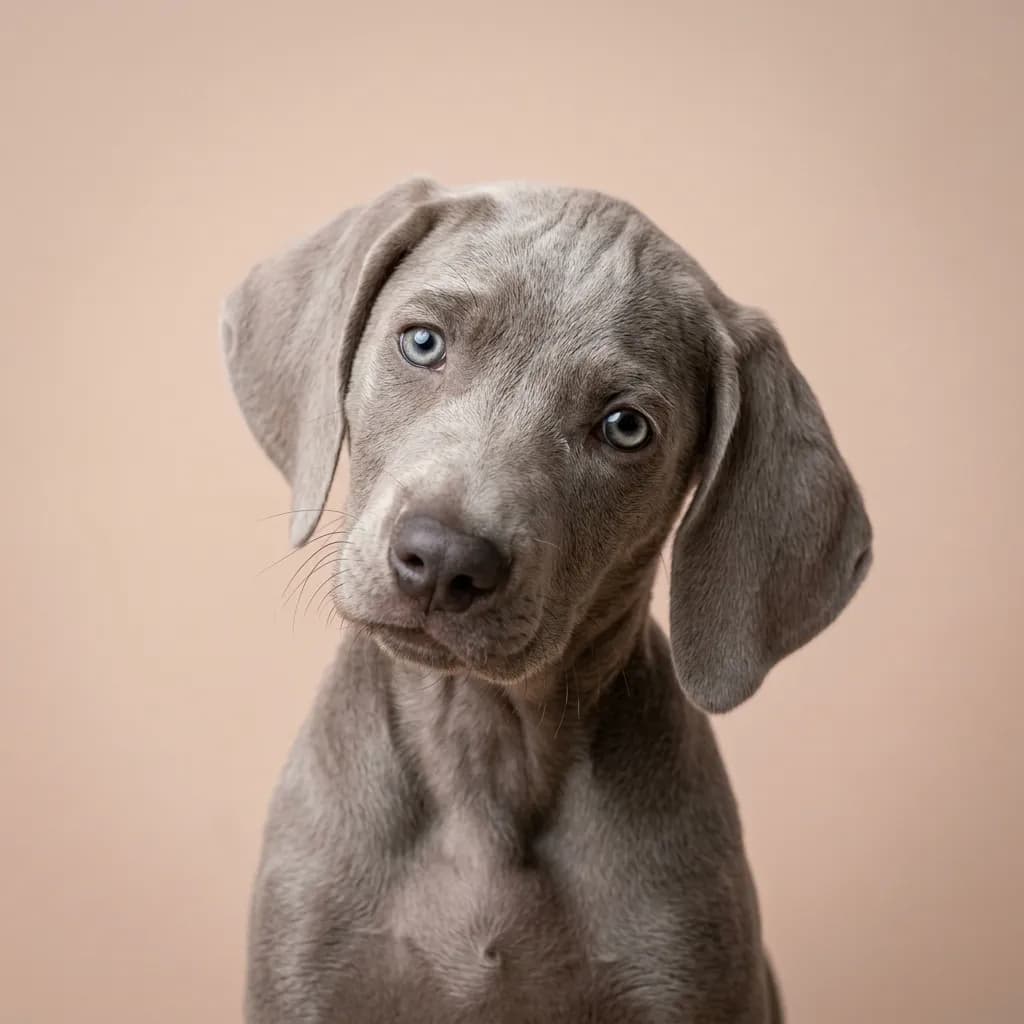
Thirteen breeds are known to carry vWD, with Doberman Pinschers being the poster child—up to 50% of Dobermans carry the gene, though most are Type 1 and never have issues. Other big names: German Pinschers, Scottish Terriers, and Pembroke Welsh Corgis. The Sporting Group has the most affected breeds (4), including Weimaraners and Irish Red and White Setters. Terrier lovers, watch out—Manchester Terriers (both Standard and Toy), Lakeland Terriers, and Toy Fox Terriers are on the list. Working Group dogs like the Stabyhoun and German Wirehaired Pointer are less common but still at risk. And don’t overlook the Kooikerhondje or Pembroke Corgi—small dogs, but still vulnerable. If you’re falling for one of these breeds, ask for vWD test results before you fall in love with the puppy. Your vet (and wallet) will thank you later.
Breeds commonly affected

Doberman Pinscher
Working Group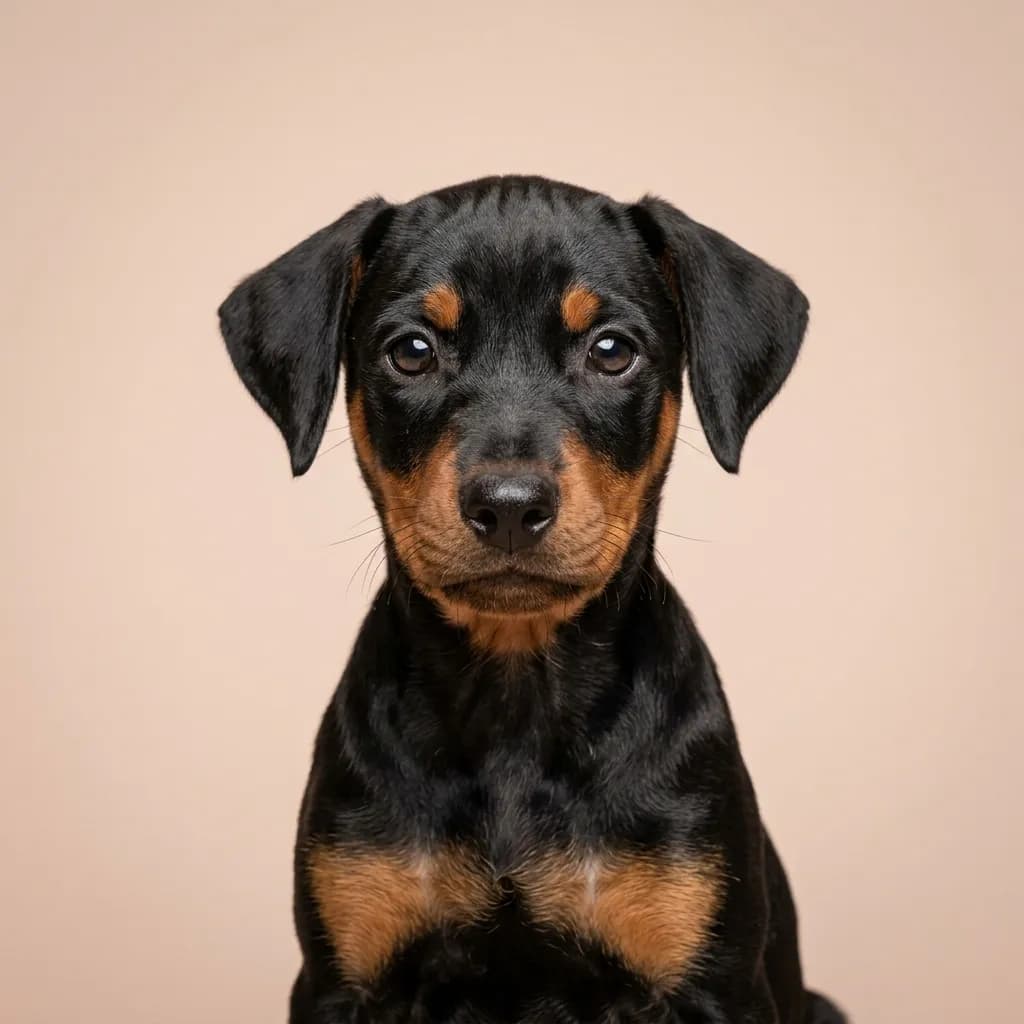
German Pinscher
Working Group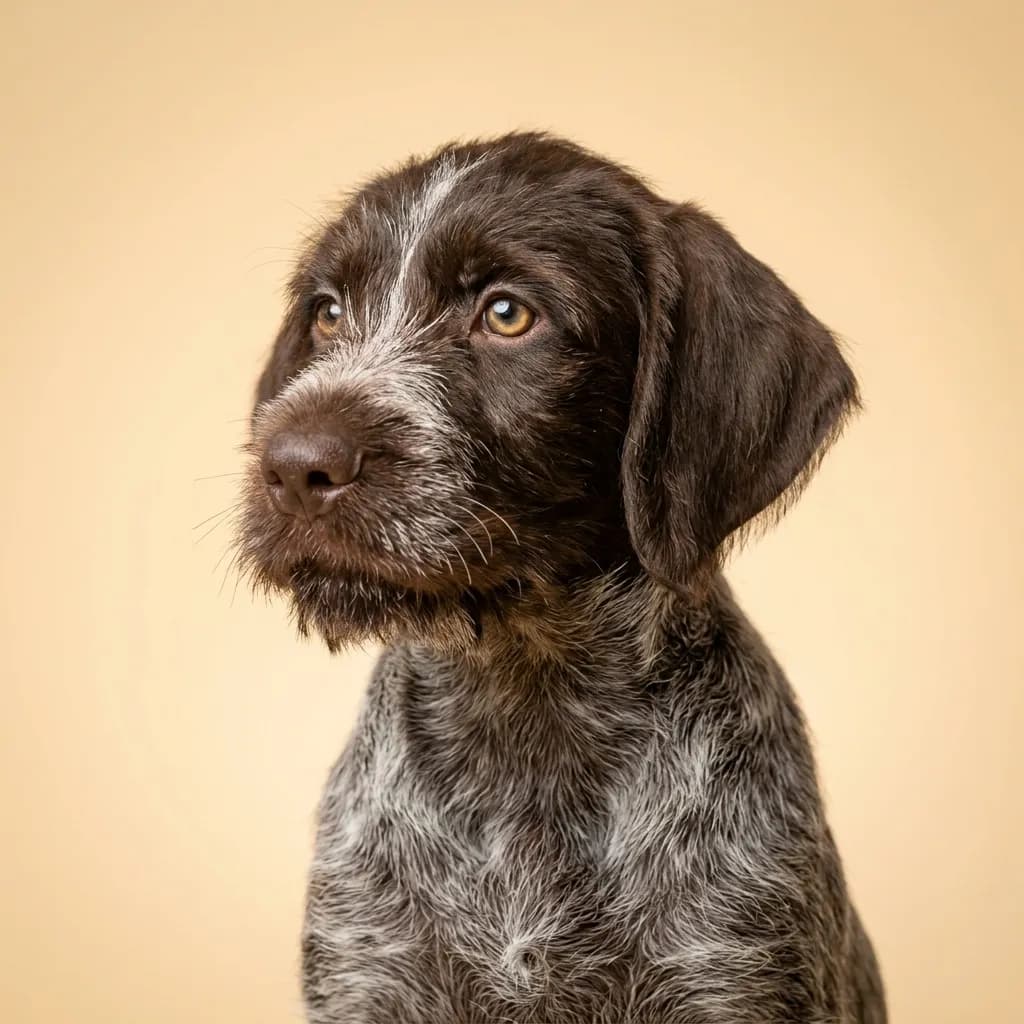
German Wirehaired Pointer
Sporting Group
Irish Red and White Setter
Sporting Group
Lakeland Terrier
Terrier Group
Manchester Terrier
Terrier Group
Nederlandse Kooikerhondje
Sporting Group
Pembroke Welsh Corgi
Herding Group
Scottish Terrier
Terrier Group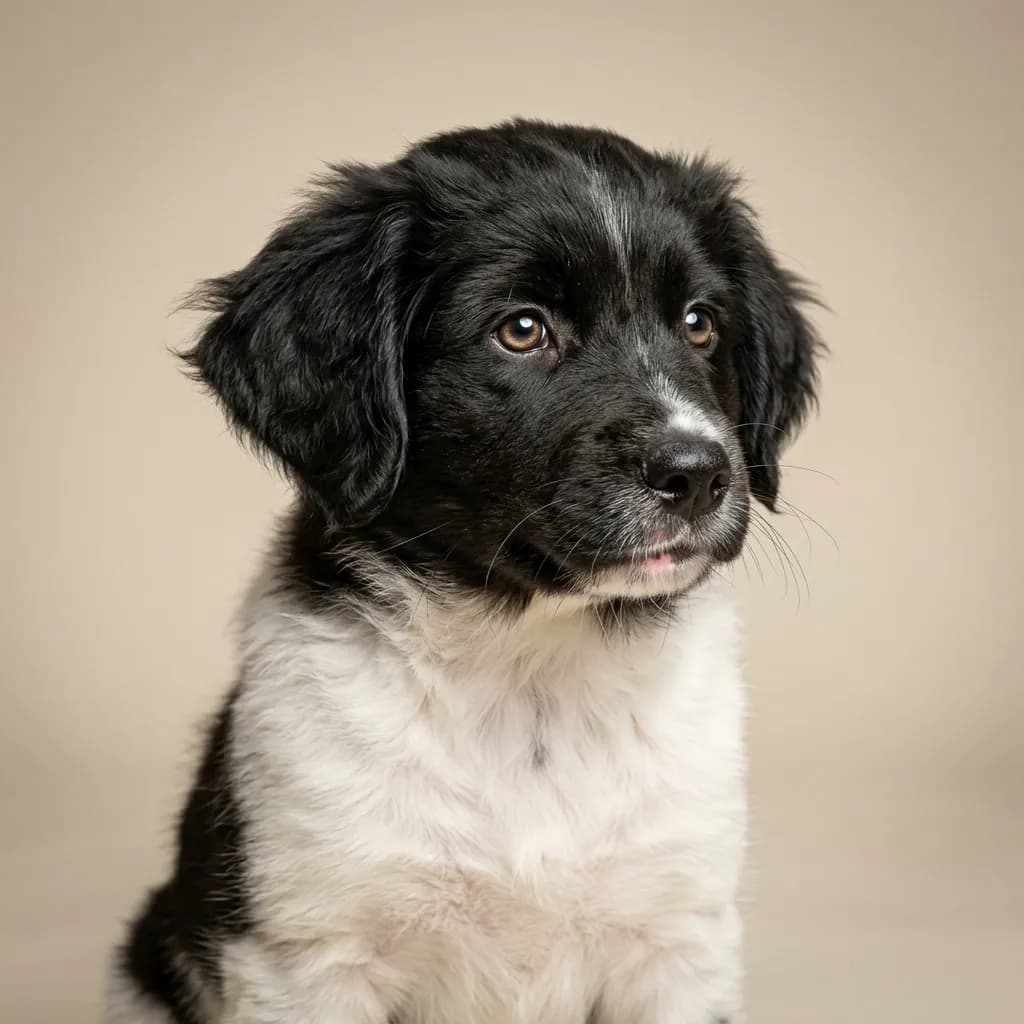
Stabyhoun
Foundation Stock Service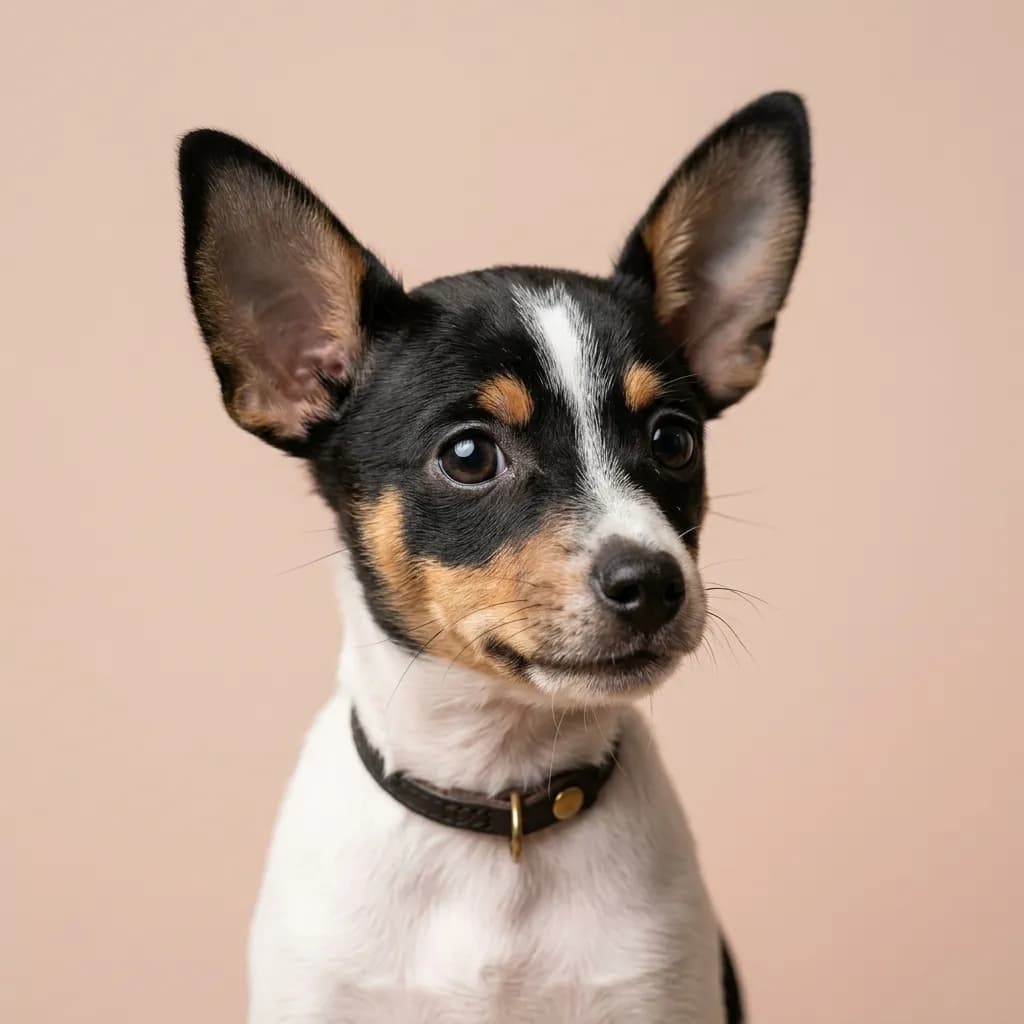
Toy Fox Terrier
Toy Group
Toy Manchester Terrier
Toy Group