Russian Toy
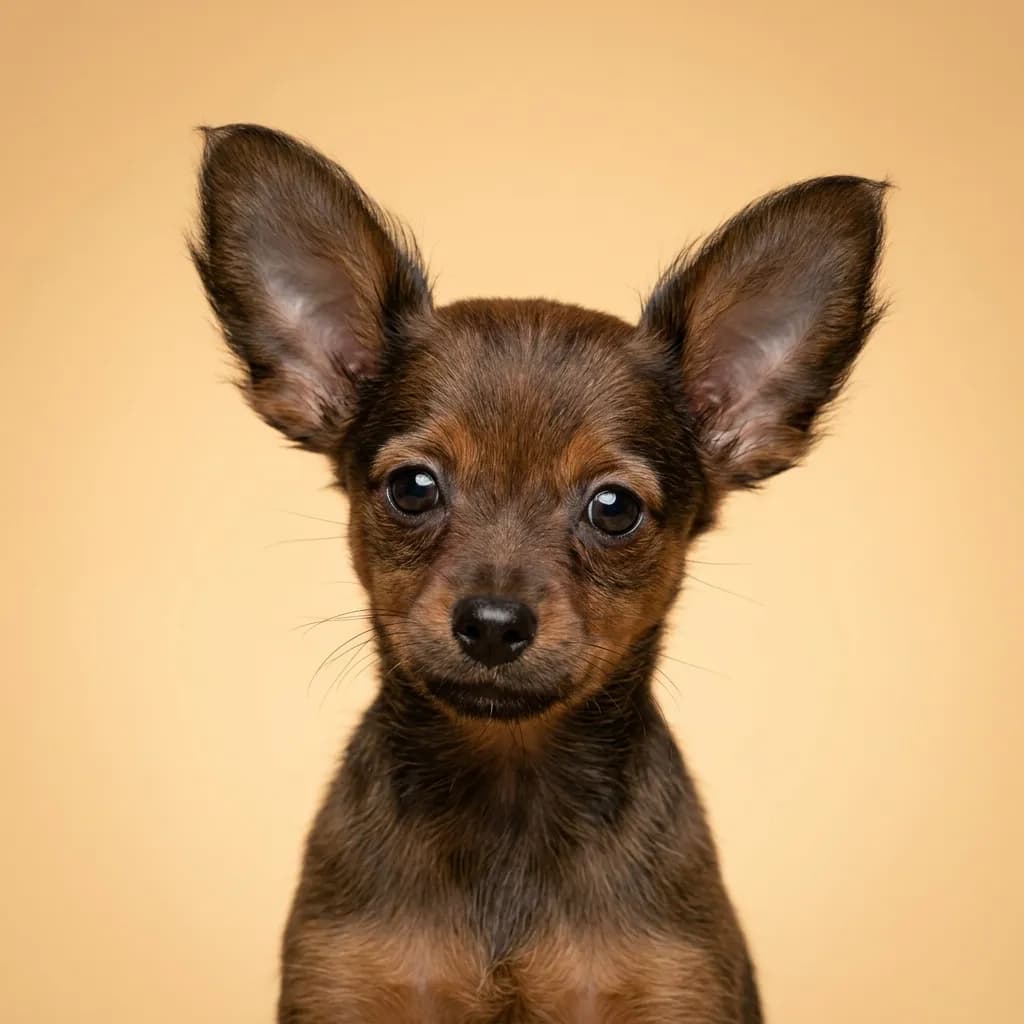
One of the world's smallest breeds, developed from English Toy Terriers in czarist Russia and refined into a companion of unusual elegance. Despite their delicate appearance they're surprisingly bold and spirited, with a personality that outsizes their frame. They attach deeply to their owner and do best in calm households where they're not at risk of being accidentally stepped on.
Free weekly training plan, specific to your Russian Toy’s age. Exactly what to focus on this week.
Get your free training planLiving with a Russian Toy
The Russian Toy isn’t some fragile showpiece from history class. Yes, it was bred for Russian aristocracy in the 18th century as a lapdog companion, and yes, it almost vanished after the revolution before being revived in the 2000s. But today’s Russian Toy is a surprisingly alert, emotionally intelligent little dog with a personality that punches way above its 6.5-pound frame.
These dogs are loyal to their person, charming in a quiet, watchful way, and they bond deeply, so deeply that leaving them alone for long stretches is a recipe for stress and barking. And they will bark. At strangers, at noises, at the toaster.
It’s not aggression, just high awareness and a 4/5 barking tendency you need to manage with training. Day to day, they’re not hyper, but they’re not lazy either. Their energy sits at a 3/5, think short indoor play sessions, a couple of 15-minute walks, and lots of mental engagement through puzzle toys or trick training.
They thrive in apartments and love being near their people, making them ideal for seniors or urban dwellers who want a velcro dog. But they’re not for households with rambunctious kids under 8. Their tiny size makes them prone to injury from rough handling, and their 3/5 kid-friendliness means they’d rather observe than wrestle.
Grooming is easy. The short coat sheds a moderate 3/5, so a weekly brush keeps it tidy. But dental care?
Non-negotiable. With a lifespan of 12 to 14 years, you’ll likely face dental disease without daily brushing. Also stay on top of vet checks for patellar luxation and Legg-Calvé-Perthes, common in small breeds.
They break easily, no jumping off couches. Here’s the thing most gloss over: the Russian Toy isn’t just a small dog with big-dog confidence. It’s emotionally intuitive.
They pick up on your mood fast, which makes them incredible companions if you’re home often, but tough if you’re gone 10 hours a day. If you want a dog that lives for you and thrives on routine and closeness, this breed is gold. If you want a trail buddy or a dog that tolerates chaos, look at a Jack Russell or a Papillon instead.
And be ready to spend $1,000 to $3,500, quality breeding matters with such delicate frames.
14 traits, at a glance.
Every breed on PuppyBase is rated across the 14 trait dimensions the American Kennel Club publishes — from trainability to drooling level. The higher the score, the better the fit for that trait.
What to expect day-to-day
Things to screen for
- Bone fractures
- Legg-Calvé-Perthes disease
- Hypoglycemia
- Patellar luxation
- Dental disease
See a full price breakdown — first-year costs, lifetime estimate, breeder vs. adoption.
Full price guideSimilar breeds
Browse all 200+



Common questions
How long do Russian Toys live?
Russian Toys typically live between 12 and 14 years, which is a solid lifespan for a small dog breed. With proper care and regular vet checkups, many reach the upper end of that range.
How much does a Russian Toy puppy cost?
A Russian Toy puppy usually costs between $1,500 and $3,500, with most reputable breeders pricing around $2,500. Their rarity and breeding standards contribute to the higher price.
How much do Russian Toys shed?
Russian Toys shed moderately year-round, so you'll notice some loose hair on clothes and furniture. Regular brushing helps manage it, especially during seasonal changes.
What colors do Russian Toys come in?
Russian Toys come in black and tan, blue and tan, brown and tan, red, and sable. Their sleek, short coat makes the colors look rich and well-defined.
How big do Russian Toys get?
Russian Toys are one of the smallest breeds, standing 8 to 11 inches tall and weighing just 3 to 6.5 pounds. They're tiny enough to carry in a bag but sturdy for their size.
Are Russian Toys smart?
Yes, Russian Toys are very intelligent and quick to learn new commands or tricks. They respond well to positive training methods and enjoy mental challenges.
Are Russian Toys hypoallergenic?
No, Russian Toys are not hypoallergenic. They shed moderately and don’t have a non-allergenic coat, so they may not be suitable for allergy sufferers.
Are Russian Toys aggressive?
Russian Toys aren't inherently aggressive, but they can be bold and alert, often barking at strangers or new sounds. Early socialization helps them stay confident without becoming snappy.
What health problems are common in Russian Toys?
Common health issues include patellar luxation, Legg-CalvÉ-Perthes disease, bone fractures, dental disease, and hypoglycemia. Their small size makes them prone to injury and blood sugar drops.
Do Russian Toys bark a lot?
Yes, Russian Toys tend to bark frequently, especially at noises or unfamiliar people. Their high watchdog instinct means they'll alert you to anything out of the ordinary.
Are Russian Toys easy to train?
Yes, Russian Toys are highly trainable and pick up commands quickly with consistency. They thrive on praise and do best with short, engaging training sessions.
Are Russian Toys good family dogs?
They can be, but only in calm homes without young, rambunctious kids. Russian Toys bond tightly with one person and may become stressed in chaotic environments.
Are Russian Toys good with cats?
They usually get along with cats if raised together or properly introduced. Their moderate playfulness means they won't typically harass a calm cat.
Can Russian Toys live in apartments?
Yes, Russian Toys adapt extremely well to apartment living thanks to their small size and moderate energy. They don’t need a yard but do enjoy short walks and indoor play.
Are Russian Toys good first dogs?
They can be for observant, patient owners who understand small-breed needs. Their fragility and sensitivity mean they’re not ideal for inexperienced handlers who might mishandle them.
Are Russian Toys good guard dogs?
They’re not true guard dogs, but they’re excellent alert barkers who’ll let you know when someone’s at the door. Their bold personality makes them surprisingly protective for their size.
Not sure which breed fits your life?
Answer five questions about your home, your schedule, and your tolerance for shedding. We’ll match you to your top three breeds from over 200.