Scottish Terrier
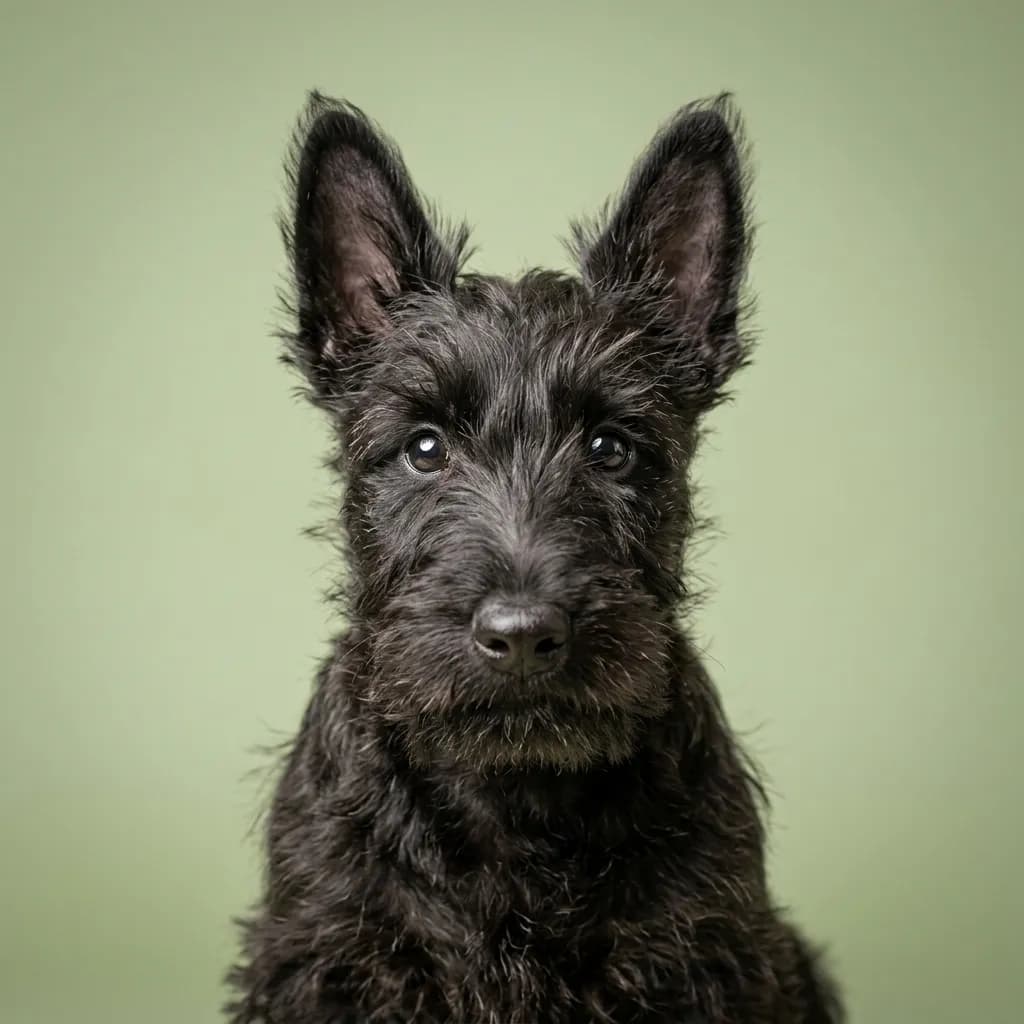
Stubborn, dignified, and fiercely independent — the Scottie operates on its own terms and doesn't particularly care if you approve. They're loyal to their family in that reserved terrier way, not demonstratively affectionate but clearly attached. Their distinctive silhouette and take-no-prisoners attitude have made them one of the most recognizable terriers in the world, and they know it.
Free weekly training plan, specific to your Scottish Terrier’s age. Exactly what to focus on this week.
Get your free training planLiving with a Scottish Terrier
Scottish Terriers come from the rugged Highlands of Scotland where they were bred to hunt vermin and flush out fox from rocky dens. That history shows in every inch of them. They’re low to the ground, exactly 10 inches at the shoulder, and pack a surprising 18 to 22 pounds of dense, wiry muscle.
Don’t let their compact size fool you. These dogs have the heart of a warrior and the confidence of a much larger breed. In your home, a Scottie settles into a rhythm.
They’re not constantly underfoot like some terriers, but they’re not aloof either. They’ll follow you from room to room, keeping a watchful eye, often barking at anything suspicious, a delivery person, a squirrel, a falling leaf. That’s the 4/5 barking score in action.
They’re affectionate with their people, scoring a full 5/5 in that category, but on their terms. You’ll get leans, not slobbery cuddles. Daily exercise?
A brisk 20 to 30 minute walk plus mental challenges is plenty. Their energy is a 3/5, not lazy, but not draining. They thrive on puzzle toys, scent games, and short training sessions.
Mental stimulation is non-negotiable. Bored Scotties get destructive or obsessive, and their independent nature means they’ll find their own entertainment if you don’t guide them. Grooming is where reality hits.
That iconic wiry coat isn’t high shedding (2/5), but it needs hand-stripping every few months or regular clipping if you skip the stripping. Either way, weekly brushing and occasional trimming around the ears and feet are mandatory. If you hate grooming, skip this breed.
Health-wise, they live about 12 years, but you’ll need to be proactive. Scottie cramp is a neuromuscular issue that doesn’t shorten life but can look alarming. Von Willebrand disease and a higher risk for bladder cancer mean a reputable breeder and annual vet screens are essential.
Patellar luxation is possible, so watch for limping. They’re ideal for adults, seniors, or independent owners who appreciate a dog with presence and a bit of attitude. Not great with toddlers, too fragile and too stubborn.
And if you want a dog that obeys every command instantly, this isn’t it. Here’s the real talk: Scotties aren’t just pets. They’re personalities.
You don’t own a Scottie. You negotiate with one. And that’s exactly why people love them.
14 traits, at a glance.
Every breed on PuppyBase is rated across the 14 trait dimensions the American Kennel Club publishes — from trainability to drooling level. The higher the score, the better the fit for that trait.
What to expect day-to-day
Things to screen for
- Scottie cramp
- Von Willebrand disease
- Cerebellar Abiotrophy
- Patellar luxation
- Bladder cancer
See a full price breakdown — first-year costs, lifetime estimate, breeder vs. adoption.
Full price guideSimilar breeds
Browse all 200+



Common questions
How long do Scottish Terriers live?
Scottish Terriers typically live 12 years, which is average for a dog of their size. With proper care, some can live slightly longer.
How much does a Scottish Terrier puppy cost?
A Scottish Terrier puppy usually costs between $1,500 and $3,500, with most buyers paying around $2,500. Prices vary based on breeder reputation, lineage, and location.
How much do Scottish Terriers shed?
Scottish Terriers shed very little, making them a good choice for people who want a low-shedding dog. Their wiry coat requires regular grooming to maintain.
What colors do Scottish Terriers come in?
Scottish Terriers come in three main colors: black, wheaten (a light tan), and brindle (a striped pattern of dark and light). All are accepted by breed standards.
How big do Scottish Terriers get?
Scottish Terriers stand 9.5 to 10 inches tall at the shoulder and weigh between 18 and 22 pounds. They have a compact, sturdy build.
Are Scottish Terriers smart?
Yes, Scottish Terriers are intelligent dogs with strong problem-solving skills. They need consistent mental stimulation and learn best with patient, positive training.
Are Scottish Terriers hypoallergenic?
Yes, Scottish Terriers are considered hypoallergenic due to their low shedding and wiry coat. Regular grooming helps minimize allergens.
Are Scottish Terriers aggressive?
Scottish Terriers aren't typically aggressive toward people, but they can be standoffish with strangers and are often dog-selective. Early socialization helps manage their terrier boldness.
What health problems are common in Scottish Terriers?
Common health issues include Scottie cramp, Von Willebrand disease, bladder cancer, patellar luxation, and cerebellar abiotrophy. Responsible breeding and health screening are essential.
Do Scottish Terriers bark a lot?
Yes, Scottish Terriers bark frequently. They are alert and make excellent watchdogs, but their tendency to vocalize can be a challenge in quiet environments.
Are Scottish Terriers easy to train?
Scottish Terriers are moderately easy to train. They're smart but independent-minded, so they respond best to consistent, reward-based methods with plenty of patience.
Are Scottish Terriers good family dogs?
They can be good family dogs, especially in homes with older children. Their reserved nature and low tolerance for rough handling make them less ideal for families with young kids.
Are Scottish Terriers good with cats?
Scottish Terriers often aren't reliable with cats or small pets due to their strong prey drive from being bred to hunt vermin. Careful introduction and supervision are necessary.
Can Scottish Terriers live in apartments?
Yes, Scottish Terriers adapt well to apartment living because of their moderate energy and small size. They still need daily walks and mental engagement.
Are Scottish Terriers good guard dogs?
Yes, Scottish Terriers make excellent watchdogs. They're highly alert, protective of their home, and quick to sound the alarm at anything unusual.
How much grooming do Scottish Terriers need?
Scottish Terriers need moderate grooming, including brushing a few times a week and hand-stripping or clipping every few weeks to maintain their wiry coat.
Not sure which breed fits your life?
Answer five questions about your home, your schedule, and your tolerance for shedding. We’ll match you to your top three breeds from over 200.