Skye Terrier
One of the most loyal dogs you can own, and one of the rarest you'll ever meet. Skye Terriers bond with singular intensity to their person — the breed's most famous member waited at his owner's grave for 14 years — and they're appropriately suspicious of everyone else. Long, low-slung, and enduringly devoted.

Free weekly training plan, specific to your Skye Terrier’s age. Exactly what to focus on this week.
Get your free training planLiving with a Skye Terrier
The Skye Terrier hails from the rugged Isle of Skye in Scotland, where it was built to hunt otter, badger, and fox in harsh terrain. That history forged a dog who’s low to the ground but big in courage, stocky, measuring just 9.5 to 10 inches at the shoulder, yet weighing 35 to 45 pounds with a body built like a tank. Their most striking feature is that long, flowing double coat that drapes both sides of their body like a living cape.
It’s dramatic, yes, but it’s also high-maintenance. You’ll need to brush them thoroughly every other day minimum, and full grooming sessions every few weeks. If you’re not ready to commit to that, look elsewhere, this isn’t a breed you can wing.
In the home, Skyes are deeply affectionate, scoring a solid 5 out of 5 for devotion. They bond tightly with their people and thrive on quiet companionship. Don’t expect a hyper lapdog, they’re moderate in energy, needing a daily walk and some mental engagement, but they won’t demand hours of play.
Trainability sits at a 3 out of 5. They’re intelligent and “canny” as the breed standard says, but also independent-minded. Positive reinforcement works best; harsh corrections don’t.
They’re good-tempered and generally quiet barkers, making them surprisingly adaptable to apartments if exercised. But here’s the real talk: they’re not for everyone. Their prey drive is strong.
If you have cats or small pets, it’s a hard pass. Families with very young kids should think twice. Skyes aren’t inherently aggressive, but they’re not patient with rough handling.
They do best with older children and adults in calm households. Health-wise, be aware of foramen magnum dysplasia, a congenital issue that can affect the spinal cord, and premature growth plate closure in puppies. Cancer and liver disease also appear in the breed, so budget for regular vet checks and consider a reputable breeder who screens for these.
With care, they live 12 to 14 years. My take? The Skye Terrier isn’t a fashion statement.
That coat isn’t just for show, it’s part of a dog bred for grit. If you want loyalty wrapped in quiet dignity, and don’t mind the grooming grind, they’re unmatched. But if you’re looking for a low-fuss family pet, this terrier will humble you fast.
14 traits, at a glance.
Every breed on PuppyBase is rated across the 14 trait dimensions the American Kennel Club publishes — from trainability to drooling level. The higher the score, the better the fit for that trait.
What to expect day-to-day
Things to screen for
- Foramen magnum dysplasia (Skye Terrier premature closure)
- Cancer
- Autoimmune conditions
- Orthopedic problems in puppies (premature growth plate closure)
- Liver disease
See a full price breakdown — first-year costs, lifetime estimate, breeder vs. adoption.
Full price guideSimilar breeds
Browse all 200+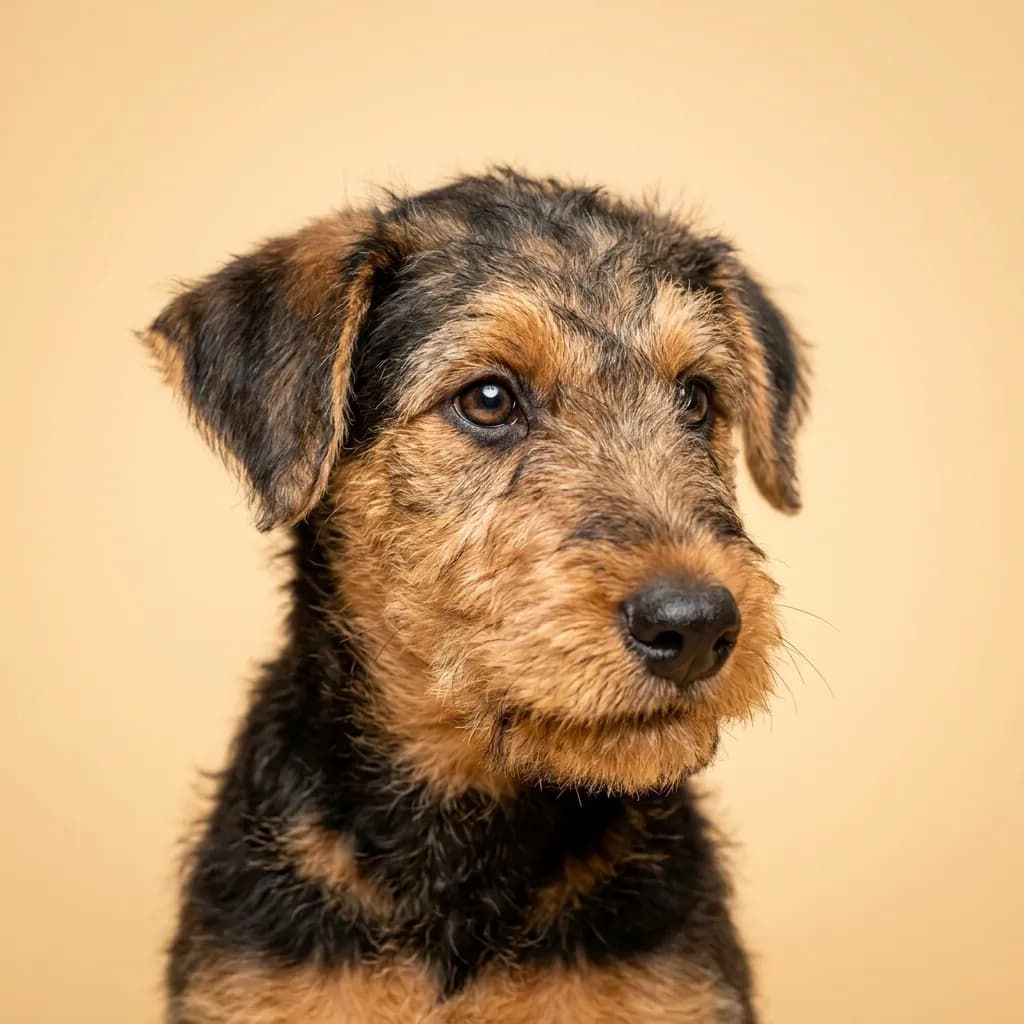
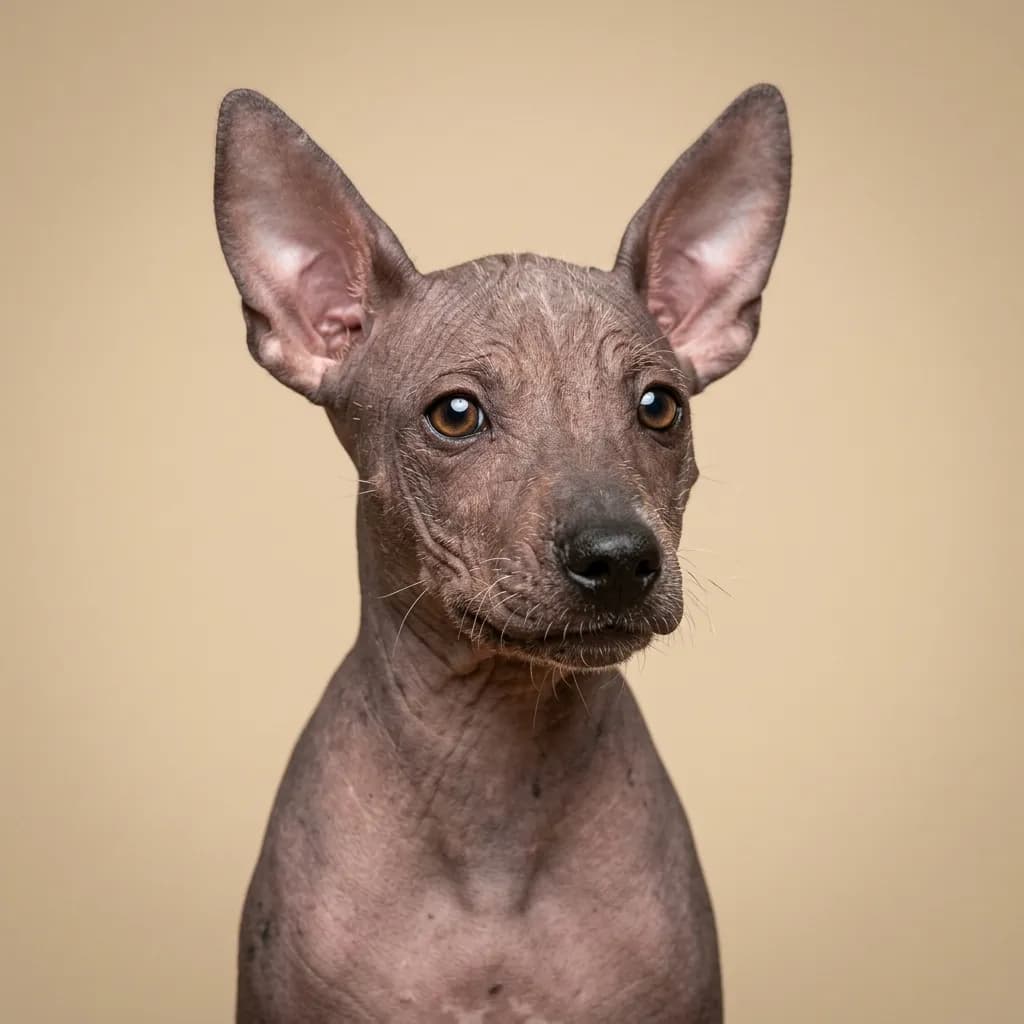

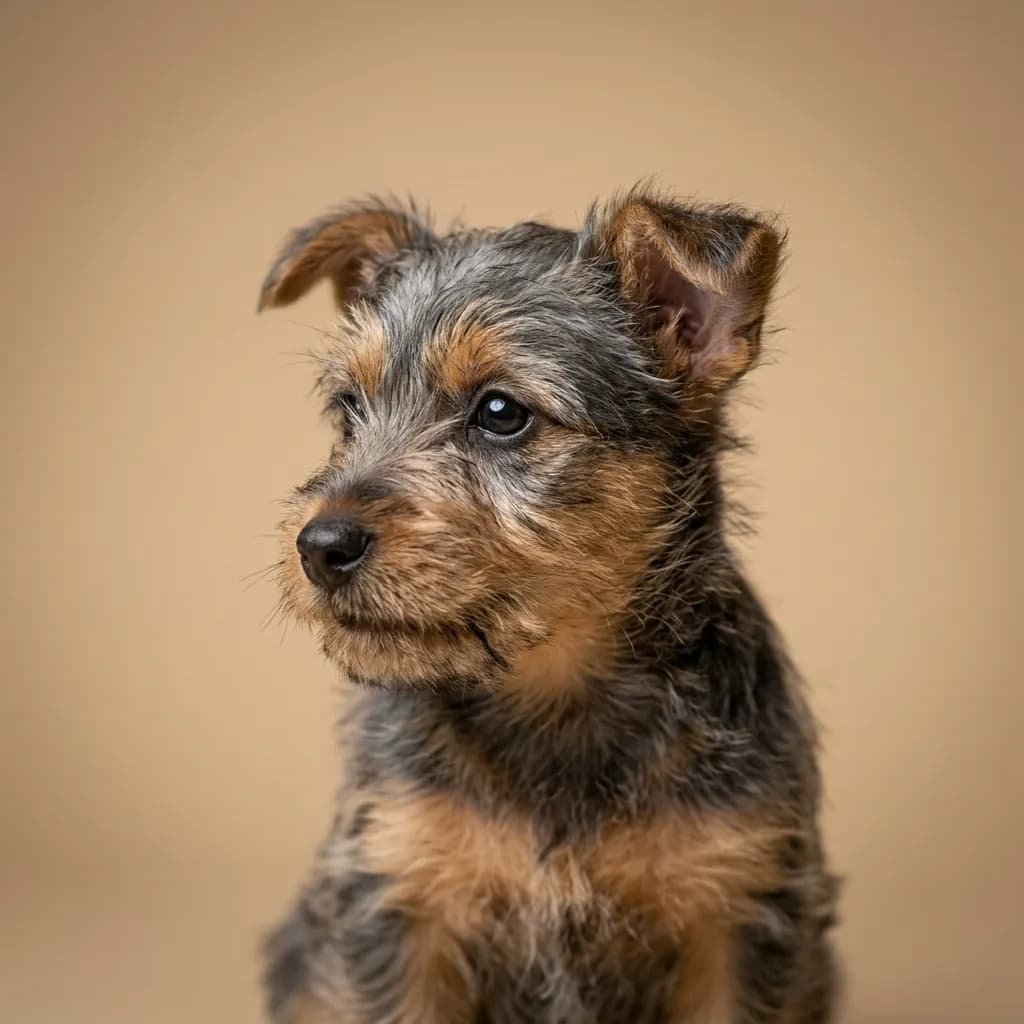
Common questions
How long do Skye Terriers live?
Skye Terriers typically live between 12 and 14 years, which is a solid lifespan for a dog of their size. With proper care, they can remain healthy and active companions well into their teens.
How much does a Skye Terrier puppy cost?
A Skye Terrier puppy usually costs between $1,500 and $3,500, with most averaging around $2,500. Their high price reflects their rarity and the specialized breeding required to maintain the lineage.
How much do Skye Terriers shed?
Skye Terriers shed moderately, thanks to their long double coat. Regular brushing helps manage loose hair, but don't expect a hypoallergenic level of shedding.
What colors do Skye Terriers come in?
Skye Terriers come in black, blue, dark or light gray, silver platinum, fawn, and cream. The coat is long and straight, with the color evenly distributed across the body.
How big do Skye Terriers get?
Skye Terriers stand 9.5 to 10 inches tall at the shoulder and weigh between 35 and 45 pounds. They're low to the ground with a strong, rectangular build.
Are Skye Terriers smart?
Yes, Skye Terriers are intelligent and quick to learn, especially when training is consistent and respectful of their independent nature. They're problem solvers who thrive on mental engagement.
Are Skye Terriers hypoallergenic?
No, Skye Terriers are not hypoallergenic. They have a long double coat that sheds moderately and requires frequent grooming, making them unsuitable for most allergy sufferers.
Are Skye Terriers aggressive?
Skye Terriers aren't outright aggressive, but they're naturally wary of strangers and can be standoffish with unfamiliar people or dogs. Early socialization helps temper their reserve without compromising their protective instincts.
What health problems are common in Skye Terriers?
Common health issues include foramen magnum dysplasia, premature growth plate closure in puppies, cancer, liver disease, and autoimmune conditions. Responsible breeders screen for these, but the breed is prone to several serious conditions.
Do Skye Terriers bark a lot?
Skye Terriers bark moderately. They'll alert you to something unusual but aren't constant noisemakers. Their bark is more about communication than compulsion.
Are Skye Terriers easy to train?
Skye Terriers are moderately trainable. They're intelligent but independent, so they respond best to patient, consistent methods that respect their terrier mindset. Harsh techniques will backfire.
Are Skye Terriers good family dogs?
They can be good family dogs in homes with older children and adults. Their loyalty is unmatched, but their size and sensitivity make them less ideal for households with very young kids.
Are Skye Terriers good with cats?
Skye Terriers have strong prey drive and were bred to hunt small animals, so they're not reliably good with cats. If raised together, some may tolerate feline housemates, but supervision is always necessary.
Can Skye Terriers live in apartments?
Yes, Skye Terriers can adapt well to apartment living as long as they get daily walks and mental stimulation. Their moderate energy level suits smaller spaces, especially when their grooming needs are managed.
Are Skye Terriers good hunting dogs?
Yes, Skye Terriers were originally bred to hunt otter, badger, and fox on the Isle of Skye, and they retain strong hunting instincts. Their courage, determination, and low-to-the-ground build make them effective small-game hunters.
How often do Skye Terriers need grooming?
Skye Terriers need grooming several times a week to prevent tangles and mats in their long double coat. Professional trimming and thorough home care are essential to keep their coat clean and healthy.
Not sure which breed fits your life?
Answer five questions about your home, your schedule, and your tolerance for shedding. We’ll match you to your top three breeds from over 200.