Afghan Hound vs Hokkaido
Side-by-side comparison across all 14 AKC trait ratings, with a clear verdict on which breed fits which kind of household.
Not sure which breed fits your life?
Answer five questions about your home, your schedule, and your tolerance for shedding. We’ll match you to your top three breeds from over 200.
Afghan Hound vs Hokkaido
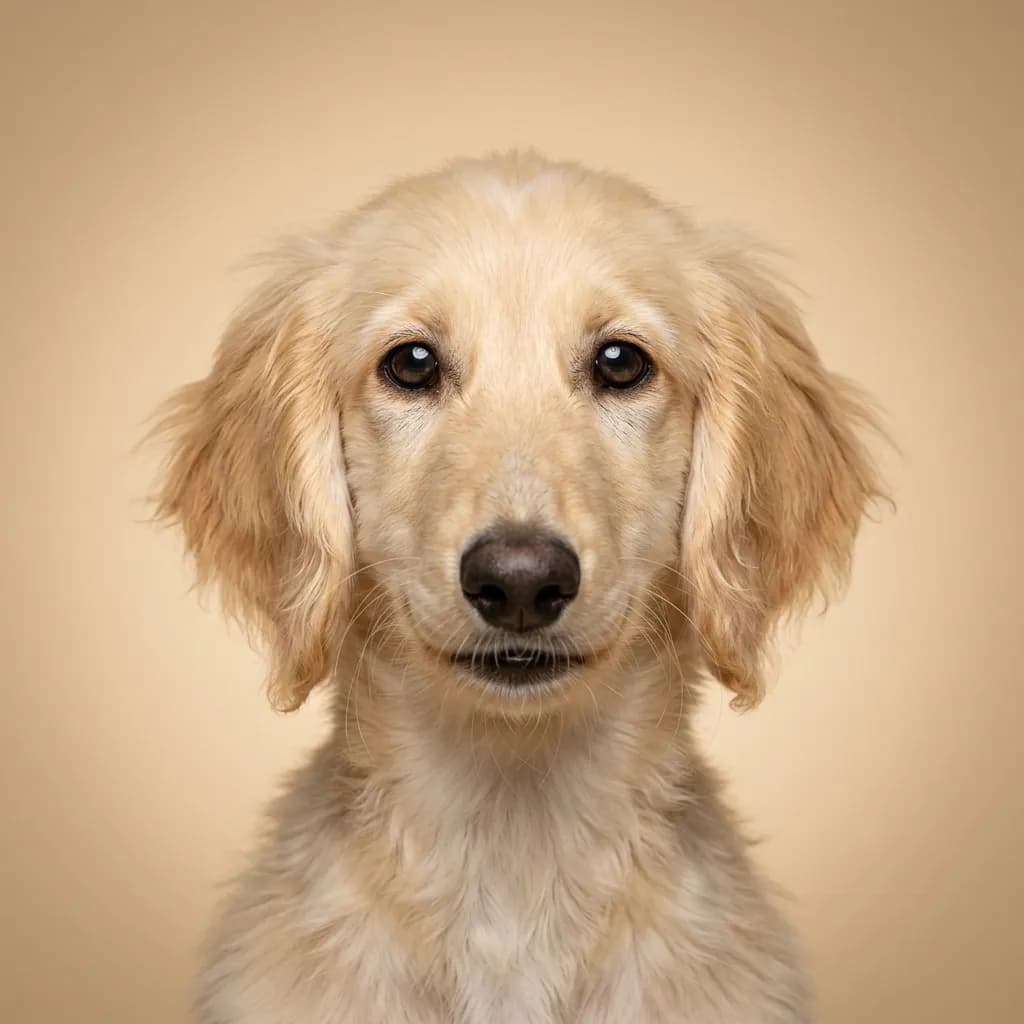
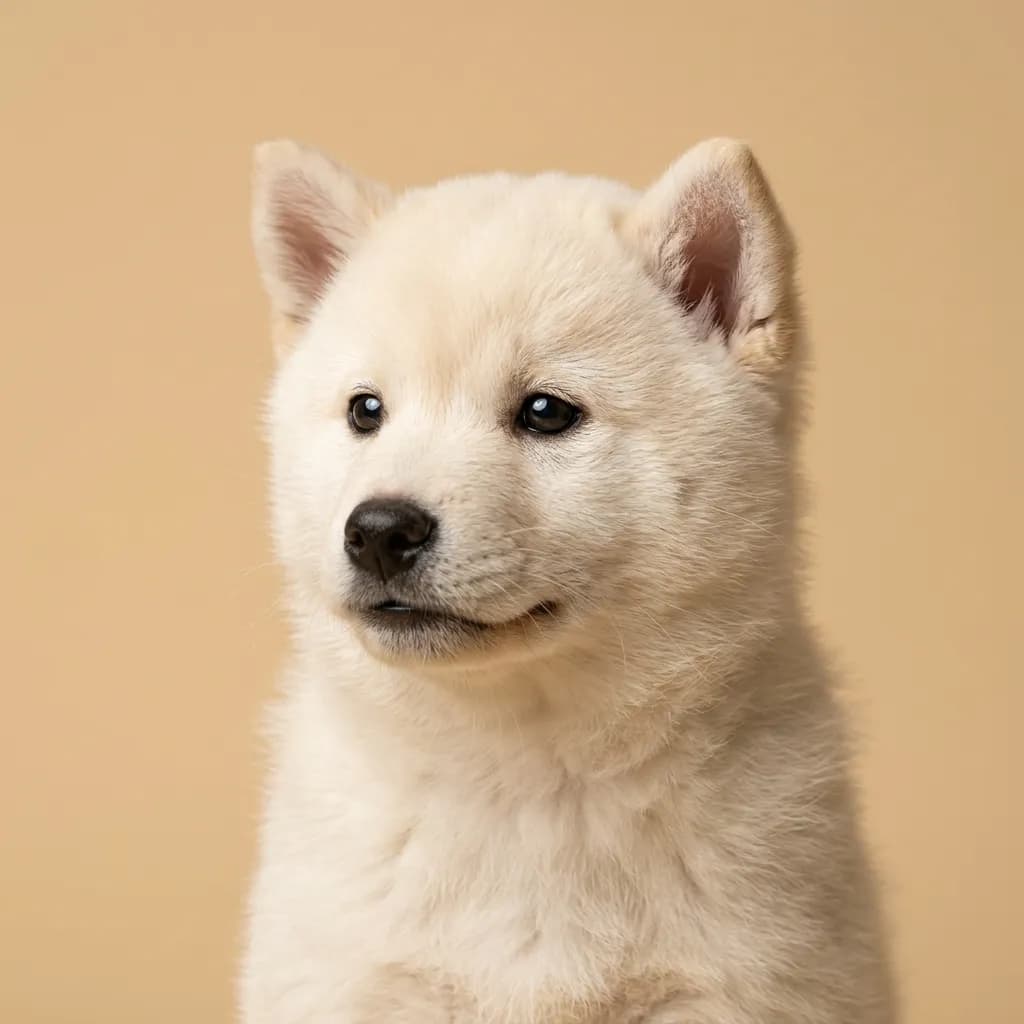
People compare Afghan Hounds and Hokkaidos because they’re both striking, independent spitz- or sighthound-types with wild backstories and a certain aloof elegance. They look a bit like they could be distant cousins from opposite ends of the world, which they basically are. But that’s where the real similarities end. The Afghan is pure drama. a 27-inch mane-topped athlete built for speed in the Himalayas, now mostly built for winning at dog shows and knocking over your coffee table with a swish of their tail. They’re loyal in their own distant way, but training one is like convincing a poet to do taxes. Good luck. They need space, time, and an owner who understands that “independent” really means “will ignore you completely if a squirrel breathes funny.” The Hokkaido, on the other hand, is the rugged, dependable type raised to track bear in Japanese snowstorms. Smaller in stature but denser in temperament, they’re alert, bonded fiercely to their people, and actually want to please. within reason. They’re still not a beginner’s dog, but they’ll listen if you’ve earned their respect. And yes, they’ll shed. expect tumbleweeds of red-tinged fur in spring. Choose the Afghan if you want a living sculpture and don’t mind the upkeep or the emotional unavailability. Pick the Hokkaido if you want a devoted mountain dog who’ll hike with you, guard the house, and still come when called. provided it’s not too interesting outside. Here’s the truth the breed standards won’t tell you: Afghans are emotionally reserved not because they’re “dignified,” but because they’re essentially cats with fur and speed. Hokkaidos, though, are wolves in dog form. watchful, intense, but deeply connected to their humans. One’s a showpiece. The other’s a partner. Know which you’re signing up for.
Trait-by-trait
Higher bar = more of that trait. Shedding, barking, drooling, grooming flipped for readability.Where they diverge
Choose the Afghan Hound if…
- Active people
- Experienced owners
- Spacious homes
- You value coat grooming — Afghan Hound scores noticeably higher.
Choose the Hokkaido if…
- Experienced dog owners
- Active families
- Cold climates
- You value trainability — Hokkaido scores higher here.