Hokkaido
Japan's rugged mountain hunting dog, built for bear and deer in brutal northern winters — thick double coat, powerful build, and an alert intensity that never fully switches off. They're deeply loyal to their family but genuinely independent, and they don't bond easily with strangers. Rare even in Japan; if you find one, expect a dog that demands respect and earns yours in return.
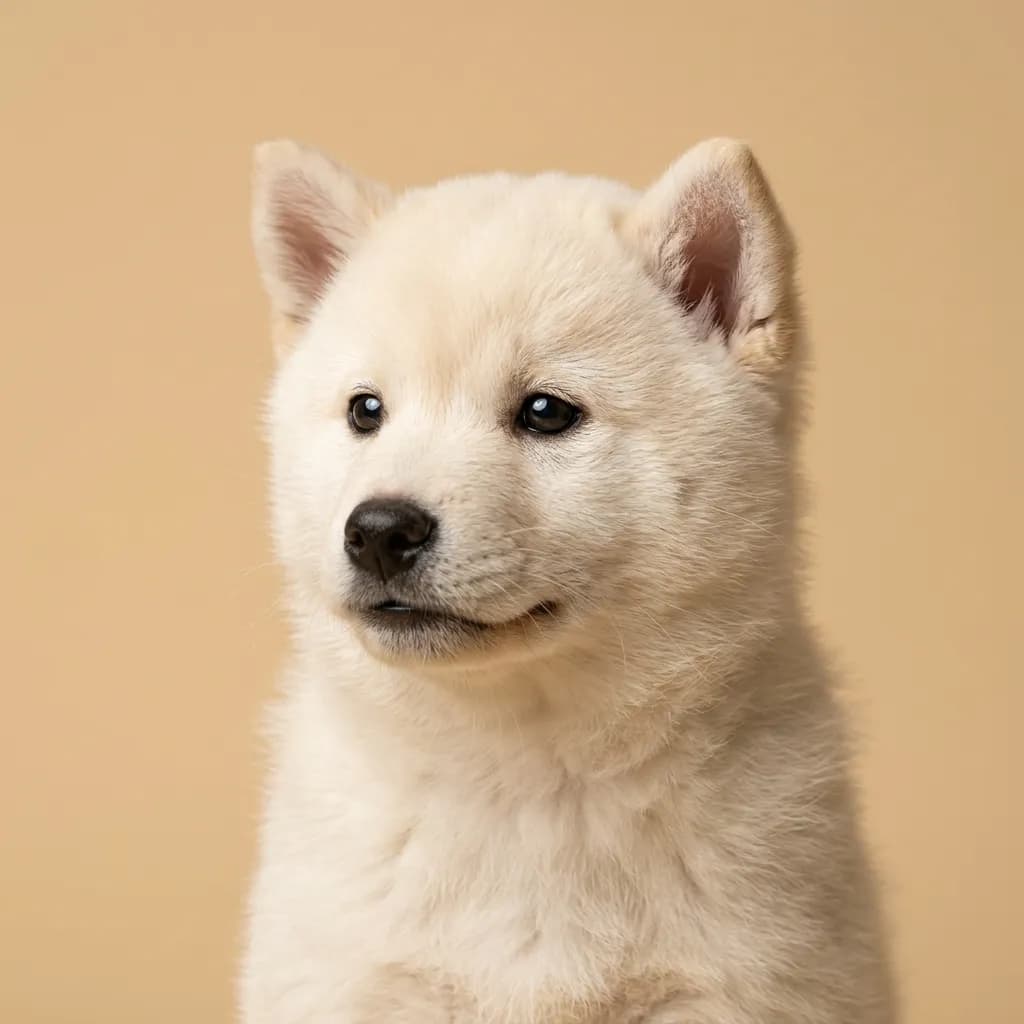
Free weekly training plan, specific to your Hokkaido’s age. Exactly what to focus on this week.
Get your free training planLiving with a Hokkaido
The Hokkaido isn’t some imported Instagram trend. This breed comes from the rugged northern island of Japan, where it was forged by harsh winters and used to hunt bear and deer in the mountains. That history matters.
You’re not just getting a dog, you’re getting a survivor with a strong will and a deep bond to its family. Recognized by the AKC’s Foundation Stock Service, it’s still rare outside Japan, and that’s part of why you need to be careful about who breeds them. Stick to health-tested, ethical breeders, especially given their $1000 to $3000 price tag.
Day to day, the Hokkaido is alert and dignified. They’re not overly barky, barking is a 3 out of 5, but they notice everything. If something’s off in the yard at 5 a.m, you’ll know.
They’re deeply devoted, scoring a solid 4 out of 5 in affection, but that loyalty is earned, not handed out freely. They’re not the kind of dog that will follow you into the bathroom just because. But when they choose to lean against you after a long hike?
That means something. Energy is high. 4 out of 5, and they need real exercise, not just a pee walk.
Think long trail hikes, off-leash runs in secure areas, or dog sports like tracking. Mental stimulation is just as important. Skip the mental work and you’ll come home to a chewed baseboard or a backyard escape attempt.
They’re smart, trainability is also 4 out of 5, but they’re not eager-to-please like a Lab. They’ll assess whether your request makes sense first. Grooming is manageable.
Shedding is moderate, not constant, with a thick double coat that handles snow like a parka. You’ll brush more in spring and fall during sheds, but it’s not a daily battle. Health-wise, watch for hip dysplasia, Collie Eye Anomaly, and heart issues.
Anxiety is also a known concern, these dogs bond hard and don’t do well left alone for hours. Crate them all day while you work? Bad idea.
Best for experienced owners who live actively in cold climates. Not for first-timers or apartment dwellers. And here’s the real talk: if you want a dog that obeys every command the first time, look at a Border Collie.
The Hokkaido is more like a trusted partner, you lead, but they’ll question the plan if it seems dumb. Respect that, and you’ll have a dog that’s with you for 12 to 15 years, every step of the way.
14 traits, at a glance.
Every breed on PuppyBase is rated across the 14 trait dimensions the American Kennel Club publishes — from trainability to drooling level. The higher the score, the better the fit for that trait.
What to expect day-to-day
Things to screen for
- Pumpkin Disease (GM2 Gangliosidosis)
- Hip dysplasia
- Collie eye anomaly
- Anxiety
- Heart disease
See a full price breakdown — first-year costs, lifetime estimate, breeder vs. adoption.
Full price guideSimilar breeds
Browse all 200+



Common questions
How long do Hokkaidos live?
Hokkaidos typically live between 12 and 15 years, which is a solid lifespan for a dog of their size and build.
How much does a Hokkaido puppy cost?
A Hokkaido puppy usually costs between $1,500 and $3,500, with most falling around $2,500 due to their rarity and specialized breeding.
How much do Hokkaidos shed?
Hokkaidos shed moderately year-round and will have heavier seasonal shedding due to their double coat, especially in spring and fall.
What colors do Hokkaidos come in?
Hokkaidos come in black, brindle, red, sesame, white, and wolf gray, all with a striking, natural appearance that blends well in mountain terrain.
How big do Hokkaidos get?
Hokkaidos stand 18 to 20 inches tall and weigh between 44 and 66 pounds, with a powerful, muscular build suited for rugged work.
Are Hokkaidos smart?
Yes, Hokkaidos are highly intelligent and quick learners, especially when tasks involve problem-solving or tracking, though they think independently.
Are Hokkaidos hypoallergenic?
No, Hokkaidos are not hypoallergenic; they have a thick double coat that sheds and carries dander, making them unsuitable for allergy sufferers.
Are Hokkaidos aggressive?
Hokkaidos aren't inherently aggressive but are naturally wary of strangers and can be protective, which requires early socialization to manage appropriately.
What health problems are common in Hokkaidos?
Common health issues include hip dysplasia, Collie eye anomaly, heart disease, anxiety, and a rare but serious condition called Pumpkin Disease (GM2 Gangliosidosis).
Do Hokkaidos bark a lot?
Hokkaidos bark moderately; they're alert and vocal when something catches their attention but aren’t nuisance barkers without reason.
Are Hokkaidos easy to train?
They are intelligent and capable of learning quickly, but their independent nature means they won’t obey just because you said so—they need clear leadership and consistency.
Are Hokkaidos good family dogs?
They can be good family dogs for experienced owners who provide structure, as they’re loyal and protective but not naturally outgoing with young kids or chaos.
Are Hokkaidos good with cats?
Hokkaidos have strong prey drive and may not do well with cats, especially if not raised together from a young age with careful introduction.
Are Hokkaidos good hunting dogs?
Yes, Hokkaidos were bred to hunt bear and deer in harsh mountain conditions, so they have exceptional stamina, focus, and tracking ability in the wild.
Can Hokkaidos live in apartments?
No, Hokkaidos are not suited for apartment living; they need space, cold weather, and daily physical and mental challenges that small urban environments can’t provide.
Are Hokkaidos good guard dogs?
Yes, Hokkaidos make excellent guard dogs due to their alertness, loyalty, and natural suspicion of strangers, all without needing provocation to be watchful.
Not sure which breed fits your life?
Answer five questions about your home, your schedule, and your tolerance for shedding. We’ll match you to your top three breeds from over 200.