Akita vs Hokkaido
Side-by-side comparison across all 14 AKC trait ratings, with a clear verdict on which breed fits which kind of household.
Not sure which breed fits your life?
Answer five questions about your home, your schedule, and your tolerance for shedding. We’ll match you to your top three breeds from over 200.
Akita vs Hokkaido
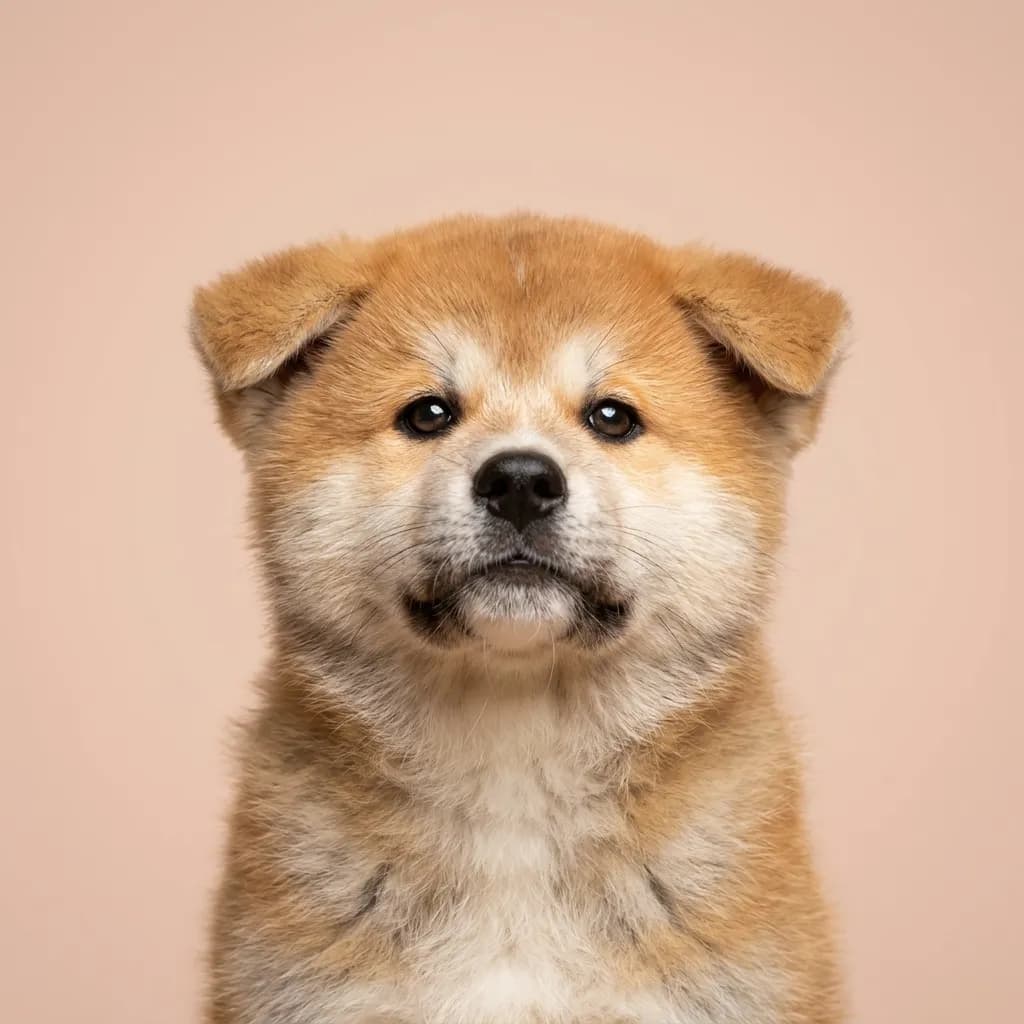
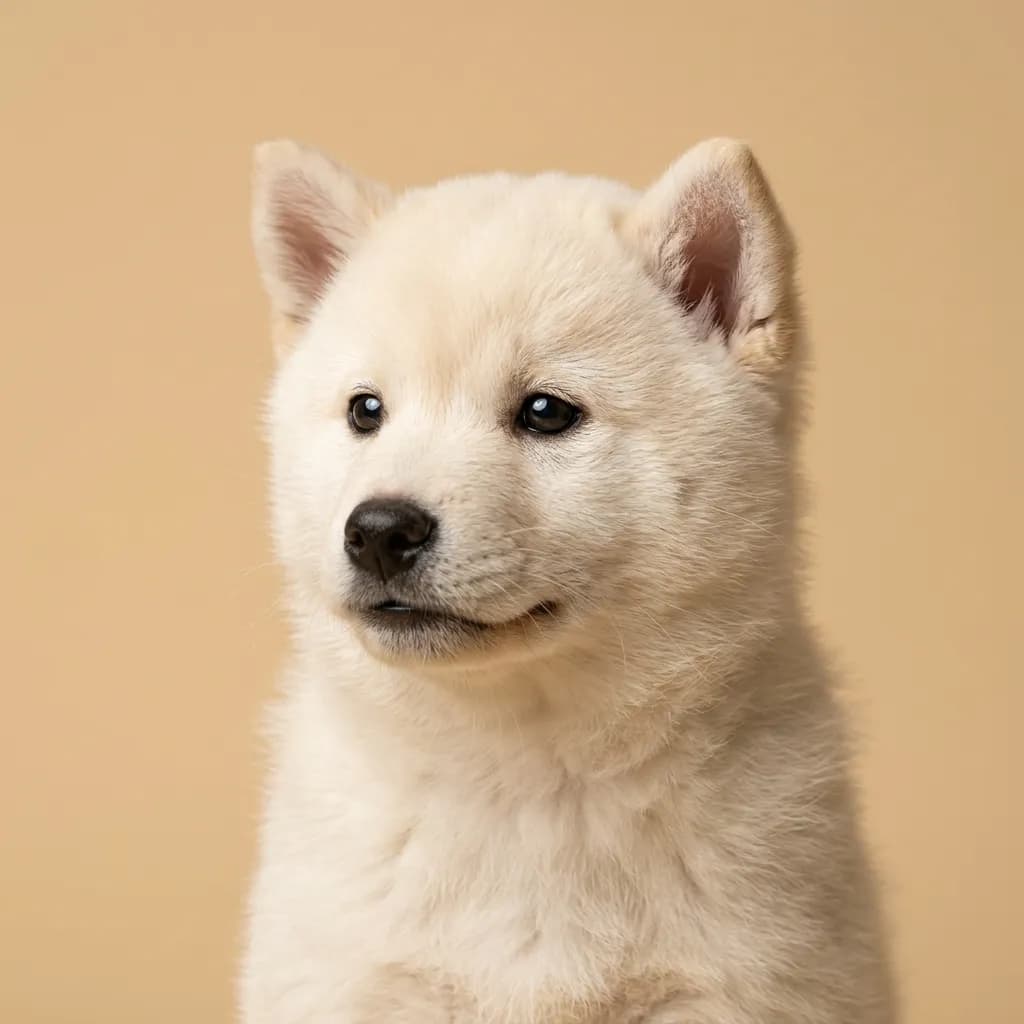
People often compare the Akita and Hokkaido because they’re both rugged, spitz-type hunters from Japan with that striking foxlike face and thick double coat. They look like they could be siblings, but if you’ve lived with both, you quickly realize one’s the intense, stoic bodyguard and the other’s the agile, loyal trail partner. The Akita is imposing. big, powerful, with a presence that fills a room. At 70 to 130 pounds, it’s not just size that demands respect, it’s demeanor. They’re deeply loyal but reserved, especially with strangers, and that loyalty can turn into protectiveness. You’ll need experience to handle their strong will, because they’re not eager to please like a retriever. They’re smart but independent, and they’ll test you. Great for a single-pet home where they’re the clear alpha, but tough in homes with other dogs. The Hokkaido is leaner, lighter, built for endurance over raw power. At 45 to 66 pounds, they’re more agile, more responsive, and surprisingly trainable for a breed this independent. They bond tightly with their family and show more warmth than the typically aloof Akita. They still need a firm hand, but they’re more willing to work with you, especially if you’re active outdoors. If you live in a snowy region and hike or ski, the Hokkaido thrives. The Akita prefers a structured, calm estate with space and routine. Both need early socialization, but here’s the real talk: Akitas can be emotionally intense. they attach deeply and don’t forget a slight. Hokkaidos are more adaptable in temperament, but still need an owner who understands their prey drive and need for mental challenge. Choose the Akita if you want a majestic guardian and have the experience to lead. Pick the Hokkaido if you want a devoted, active partner who can keep up. literally and mentally.
Trait-by-trait
Higher bar = more of that trait. Shedding, barking, drooling, grooming flipped for readability.Where they diverge
Choose the Akita if…
- Experienced owners
- Spacious homes
- Active people
- You value coat grooming — Akita scores noticeably higher.
Choose the Hokkaido if…
- Experienced dog owners
- Active families
- Cold climates
- You value good with other dogs — Hokkaido scores higher here.