Akita vs Mudi
Side-by-side comparison across all 14 AKC trait ratings, with a clear verdict on which breed fits which kind of household.
Not sure which breed fits your life?
Answer five questions about your home, your schedule, and your tolerance for shedding. We’ll match you to your top three breeds from over 200.
Akita vs Mudi
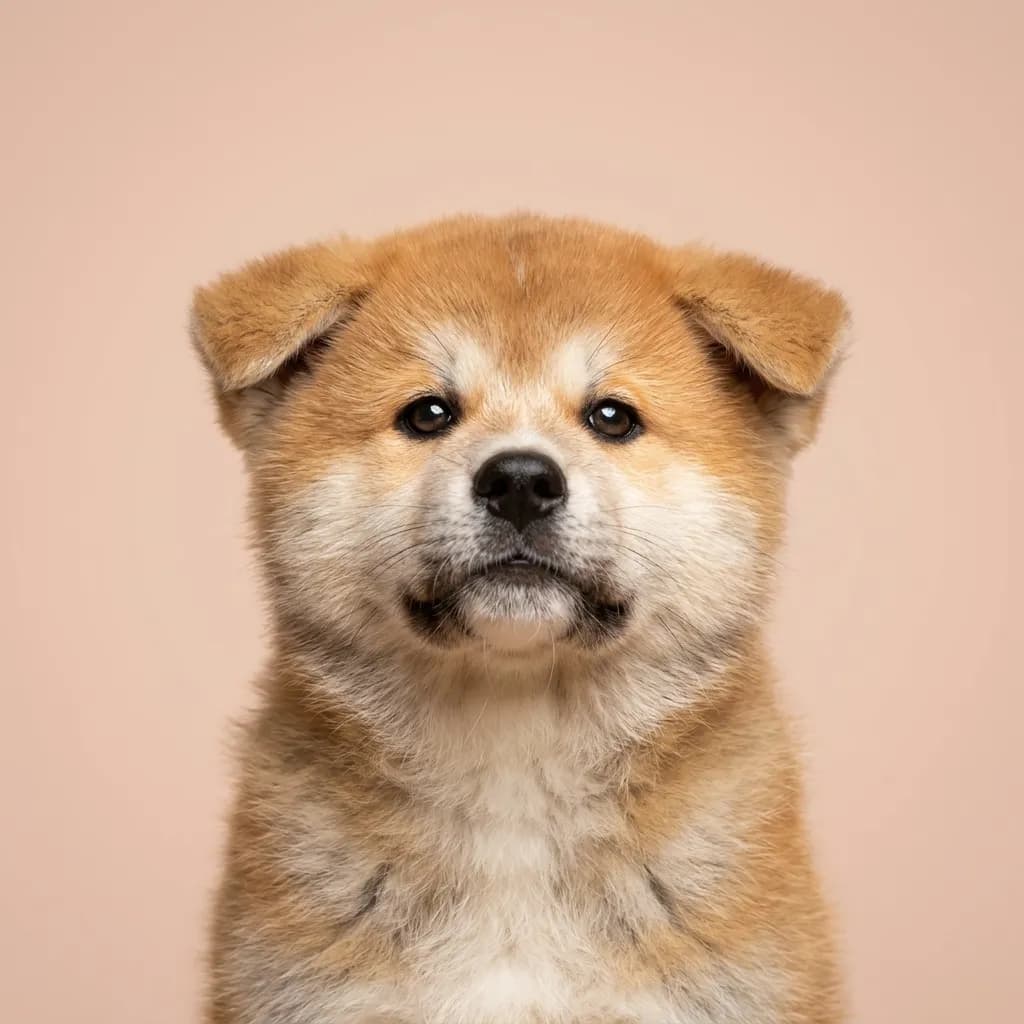
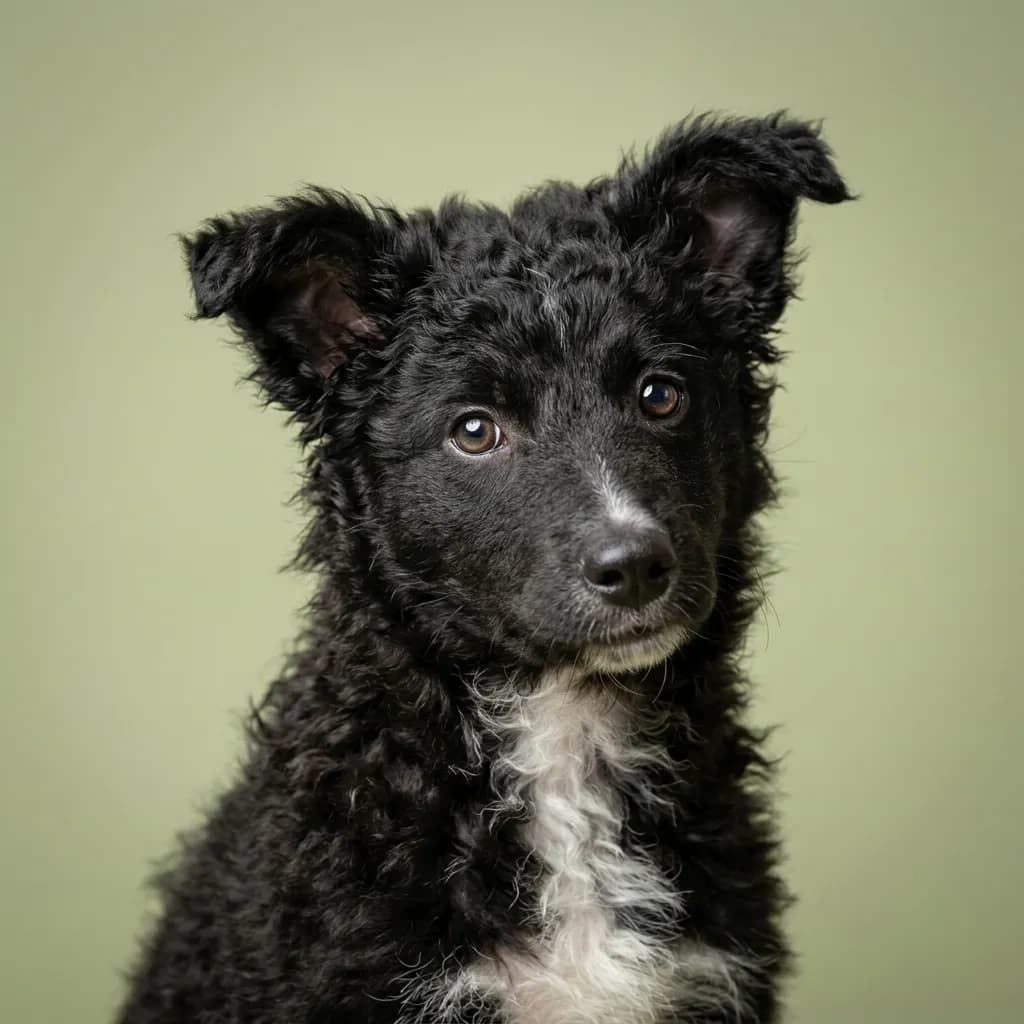
People don’t usually pit a massive, bear-hunting Akita from mountainous Japan against a compact, curly-coated Hungarian herding dog like the Mudi. on paper, they’re nothing alike. But both come up when you’re looking for a fiercely loyal, one-family dog with serious presence and protective instincts. The real question isn’t which is “better.” It’s which kind of life you’re living. The Akita is a force of nature. At over 100 pounds, it moves with quiet dignity, not speed, and it demands space. both physically and emotionally. It won’t fetch your slippers or jump through hoops for treats. It will, however, stand between you and danger without flinching. But that loyalty comes with rigidity. Akitas don’t adapt well to chaos, multiple pets, or clueless owners. They’re not aggressive by default, but they are dominant, and without early, firm handling, that independence turns into stubbornness. You don’t own an Akita. You earn the privilege of guiding one. The Mudi, by contrast, is a live wire in a 25-pound frame. It’s the dog that sees a leaf blow across the yard and turns it into an agility drill. Bred to think on its feet, it thrives on mental puzzles, obedience, and tasks with purpose. It bonds closely with its family and can be affectionate, but it’s always alert, always working. If you’re sitting on the couch all day, this isn’t your dog. But if you’re into dog sports, hiking, or just want a turbo-smart companion who’ll learn a new trick in minutes, the Mudi shines. Here’s the truth beyond the stats: both breeds are rare for a reason. They’re not easy. But if you want a dog that feels like a true partner, not a pet, the Mudi rewards effort with joy, while the Akita rewards it with unwavering devotion. Choose the Mudi if you want a teammate. Choose the Akita if you’re ready for a guardian soul.
Trait-by-trait
Higher bar = more of that trait. Shedding, barking, drooling, grooming flipped for readability.Where they diverge
Choose the Akita if…
- Experienced owners
- Spacious homes
- Active people
- You value coat grooming — Akita scores noticeably higher.
Choose the Mudi if…
- Active families
- Experienced herding breed owners
- Dog sport enthusiasts
- You value good with other dogs — Mudi scores higher here.