Akita vs Samoyed
Side-by-side comparison across all 14 AKC trait ratings, with a clear verdict on which breed fits which kind of household.
Not sure which breed fits your life?
Answer five questions about your home, your schedule, and your tolerance for shedding. We’ll match you to your top three breeds from over 200.
Akita vs Samoyed
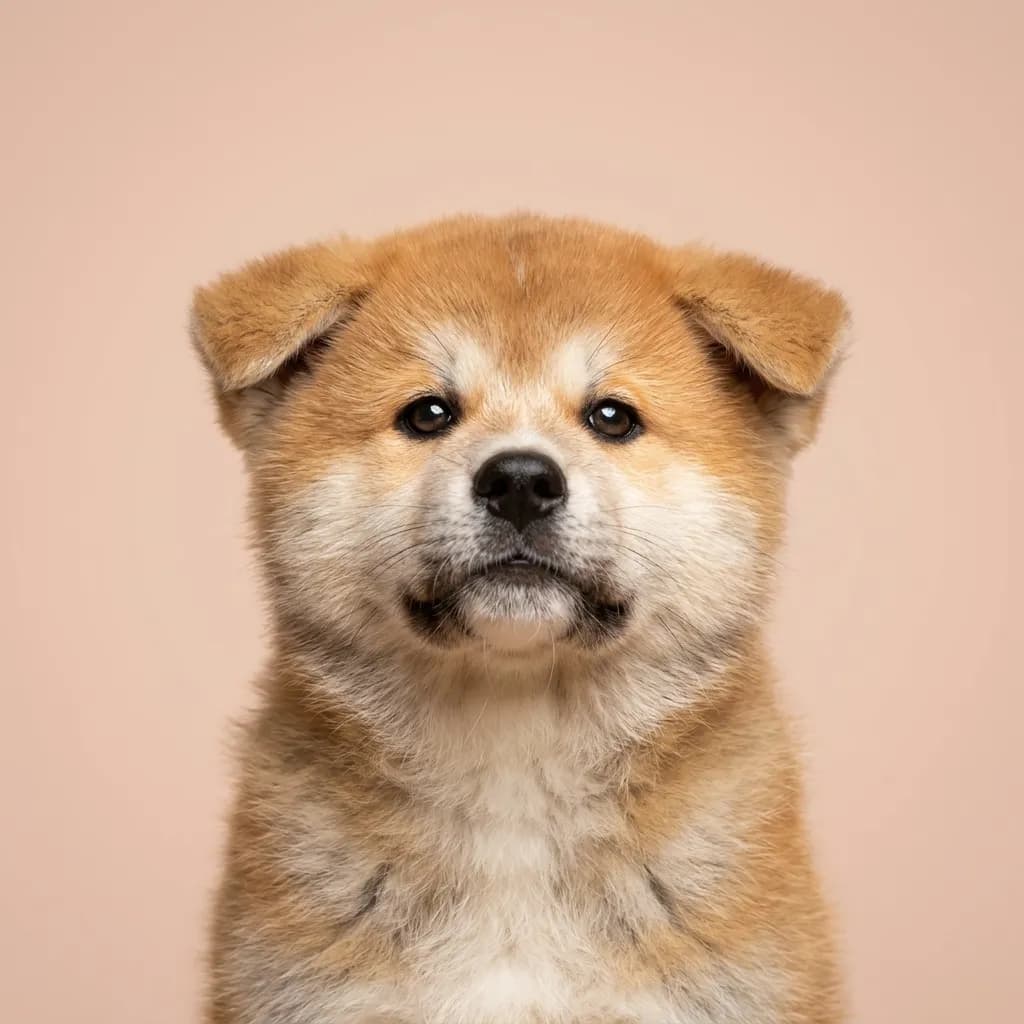
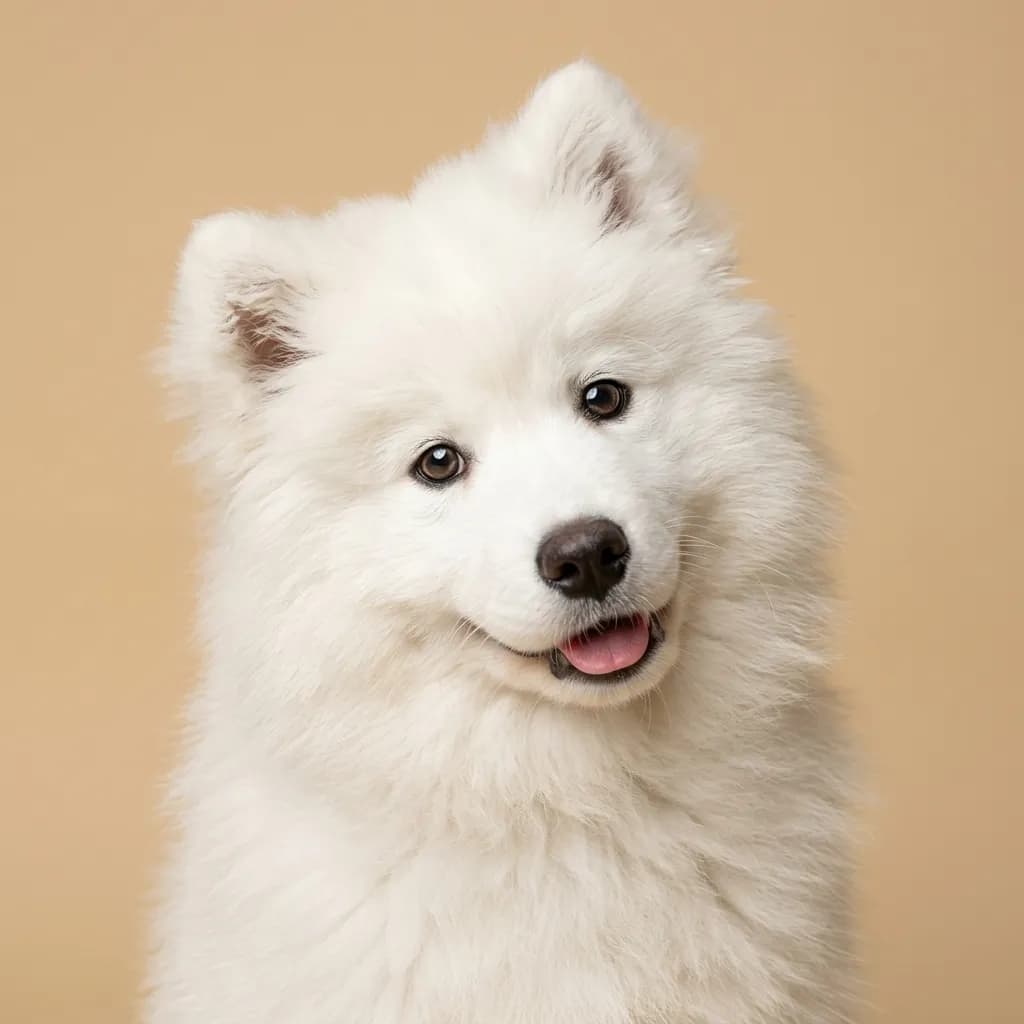
People often compare Akitas and Samoyeds because they’re both fluffy, medium-to-large working dogs with thick double coats and striking looks. one a stoic mountain guardian, the other a smiling arctic charmer. But beyond the fluff, they’re built for entirely different lives, and picking between them isn’t about preference alone. It’s about who you are and what your home can handle. The Akita is a one-family dog. Calm but intensely loyal, they’re like a living security system with a dignified silence. Akitas don’t bark much, but they’re dominant, reserved with strangers, and can be intolerant of other dogs, especially same-sex ones. They need experienced handling, early socialization, and space to move without constant stimulation. If you live with kids under 10 or have a busy, multi-pet household, this isn’t the breed. They’re happiest as the only dog in a quiet, active home where their loyalty is respected, not demanded. Samoyeds, on the other hand, are social glue. They bark. often, and loudly. because they were bred to communicate with humans in frozen tundras. They’re not guard dogs. They’ll greet intruders with a wag and a grin. But they thrive in families, adore kids, and crave companionship. Their energy is joyful, not intense, and they do well in dog sports or as hiking partners. Just be ready: they shed year-round, need frequent brushing, and don’t do well left alone for hours. Here’s the real truth: the Akita chooses you. The Samoyed loves everyone. If you want a devoted, aloof companion who respects boundaries, go Akita. If you want a friendly, chatty family mascot who needs inclusion like air, choose the Samoyed. One is a silent guardian, the other a joyful voice. Pick based on who you are when no one’s watching.
Trait-by-trait
Higher bar = more of that trait. Shedding, barking, drooling, grooming flipped for readability.Where they diverge
Choose the Akita if…
- Experienced owners
- Spacious homes
- Active people
- You value watchdog / protective — Akita scores noticeably higher.
Choose the Samoyed if…
- Active families
- Cold climate households
- Dog sports enthusiasts
- You value good with strangers — Samoyed scores higher here.