Samoyed
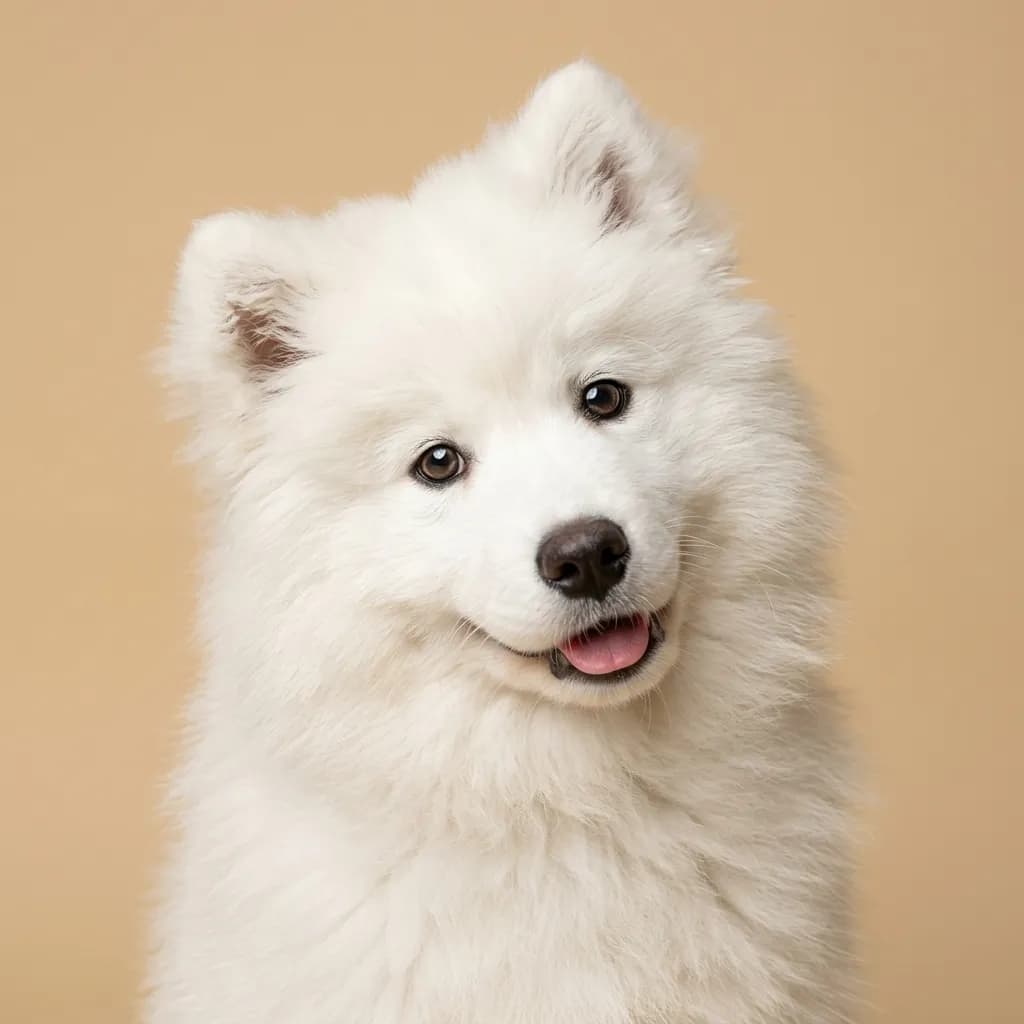
The Samoyed smile is real — a slight upward curve of the mouth that kept them from drooling and freezing in Siberian winters, and now makes them look perpetually pleased with life. Friendly, social, and adaptable, they're genuinely good family dogs, but the coat is extraordinary and sheds heavily twice a year. They also have an independent streak and a vocal quality that neighbors will notice.
Free weekly training plan, specific to your Samoyed’s age. Exactly what to focus on this week.
Get your free training planLiving with a Samoyed
Samoyeds come from the frozen tundra of Siberia, where the Samoyedic people relied on them for herding reindeer and pulling sleds through brutal winters. That history shaped every part of them, the thick double coat, the endurance, the deep bond with humans. They’re not just pretty faces with those famous “Sammy smiles”; they’re working dogs at heart, bred to partner with people in tough conditions.
Living with a Samoyed means constant companionship. They’re deeply affectionate and thrive when included in family life. You’ll find them following you from room to room, leaning against your leg, or greeting guests with joyful barks.
They’re great with kids, adaptable to routines, and surprisingly agile for their fluff. But don’t let the gentle eyes fool you. These dogs have energy.
4 out of 5, and need real daily exercise. A few laps around the backyard won’t cut it. They do best with long walks, hikes, or dog sports like agility or skijoring.
Without enough physical and mental stimulation, they’ll invent their own jobs, like redecorating your couch with their teeth. Barking? It’s a 5 out of 5.
They were watchdogs first, so they’ll announce everything, the mail carrier, a falling leaf, their own shadow. If you live in an apartment or value quiet, this isn’t the breed for you. Grooming is another reality check.
That stunning white coat sheds year-round and blows twice a year. You’ll be brushing weekly, more during shedding season, and yes, you’ll find fur in your coffee mug. Health-wise, they’re generally solid for a purebred, living 12 to 14 years, but watch for hip dysplasia, progressive retinal atrophy, and the breed-specific Samoyed hereditary glomerulopathy, a serious kidney condition.
Reputable breeders screen for these, so don’t skip health clearances. The price reflects that. $1500 to $6000.
They’re perfect for active families in colder climates, dog sport fans, or anyone who wants a social, loyal dog. But skip them if you’re in a hot area, hate grooming, or want a quiet home. One thing most guides won’t tell you: Samoyeds don’t just want to be near you, they need to be involved.
They’re not couch ornaments. If you’re gone all day and they’re left alone, they’ll shut down or act out. This isn’t a dog for absence.
They’re happiest when they’re part of your life, not just beside it.
14 traits, at a glance.
Every breed on PuppyBase is rated across the 14 trait dimensions the American Kennel Club publishes — from trainability to drooling level. The higher the score, the better the fit for that trait.
What to expect day-to-day
Things to screen for
- Hip dysplasia
- Bloat (GDV)
- Samoyed hereditary glomerulopathy
- Progressive retinal atrophy
- Hypothyroidism
See a full price breakdown — first-year costs, lifetime estimate, breeder vs. adoption.
Full price guideSimilar breeds
Browse all 200+


Common questions
How long do Samoyeds live?
Samoyeds typically live between 12 and 14 years, which is a solid lifespan for a dog of their size. With proper care, regular vet checkups, and a healthy diet, many live into their teens.
How much does a Samoyed puppy cost?
A Samoyed puppy usually costs between $2000 and $5000, with an average price around $3000. Reputable breeders charge more due to health testing, lineage, and the breed's working heritage.
How much do Samoyeds shed?
Samoyeds shed moderately year-round and blow their undercoat heavily twice a year. You'll need to brush them weekly, and daily during shedding season, to manage the loose fur.
What colors do Samoyeds come in?
Samoyeds come in white, biscuit, cream, or white and biscuit combinations. Their coat color is light by nature, helping them blend into snowy landscapes historically.
How big do Samoyeds get?
Samoyeds stand 19 to 23.5 inches tall and weigh between 35 and 65 pounds, with males typically larger than females. They're medium to large dogs with a sturdy, well-built frame.
Are Samoyeds smart?
Yes, Samoyeds are very intelligent and were bred to think independently while herding reindeer and pulling sleds. They learn quickly but can be stubborn, so consistency is key in training.
Are Samoyeds hypoallergenic?
Samoyeds are considered hypoallergenic because they don't drool much and have a clean coat, but they shed a lot. People with allergies may still react to the dander trapped in their thick fur.
Are Samoyeds aggressive?
No, Samoyeds are not aggressive. They're friendly, social dogs that greet strangers warmly and get along well with children and other dogs. Their nature is gentle and outgoing.
What health problems are common in Samoyeds?
Common health issues include hip dysplasia, Samoyed hereditary glomerulopathy, progressive retinal atrophy, hypothyroidism, and bloat. Reputable breeders screen for these, but you should still be aware of the risks.
Do Samoyeds bark a lot?
Yes, Samoyeds bark frequently. They're vocal dogs that use their voice to communicate, alert, and sometimes just to join the conversation. If you want a quiet dog, this isn't the breed for you.
Are Samoyeds easy to train?
Samoyeds are intelligent and respond well to positive training, but they have an independent streak that can make them stubborn. Early, consistent training works best with this breed.
Are Samoyeds good family dogs?
Yes, Samoyeds are excellent family dogs. They're affectionate, gentle with kids, and thrive in active, engaged households where they're included in daily life.
Are Samoyeds good with cats?
Samoyeds can get along with cats, especially if raised together, but their herding instinct may kick in with fast-moving pets. Supervised introductions and early socialization improve compatibility.
Can Samoyeds live in apartments?
Samoyeds can adapt to apartment living if their exercise and mental stimulation needs are met daily. But their barking and need for outdoor activity make a house with a yard a better fit.
Do Samoyeds like cold weather?
Yes, Samoyeds love cold weather. Their thick double coat and Arctic origins make them well-suited for snow and freezing temperatures, often playing happily in winter conditions.
Are Samoyeds good guard dogs?
No, Samoyeds are not good guard dogs. They're far too friendly with strangers, though they will alert you when someone approaches with barking. They prefer to greet intruders with a smile, not a threat.
Not sure which breed fits your life?
Answer five questions about your home, your schedule, and your tolerance for shedding. We’ll match you to your top three breeds from over 200.