Alaskan Malamute vs Greyhound
Side-by-side comparison across all 14 AKC trait ratings, with a clear verdict on which breed fits which kind of household.
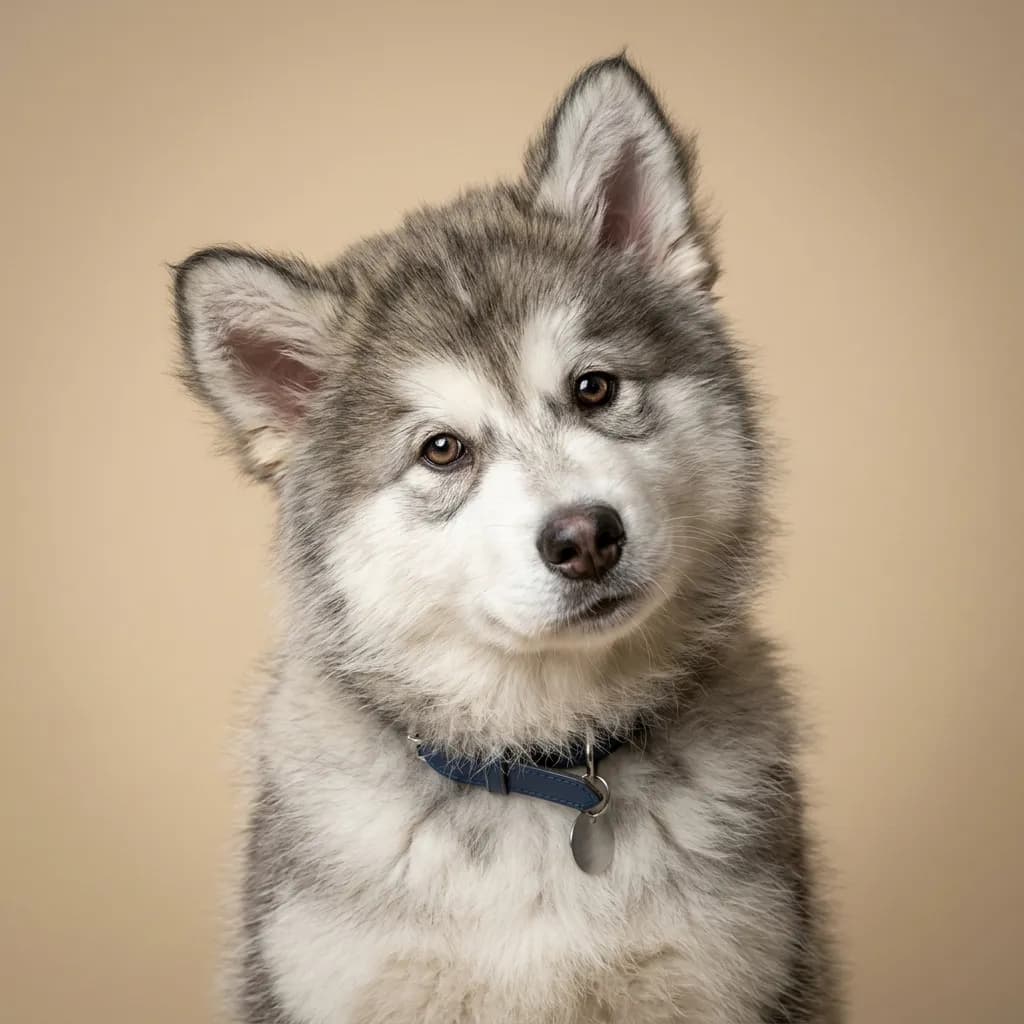
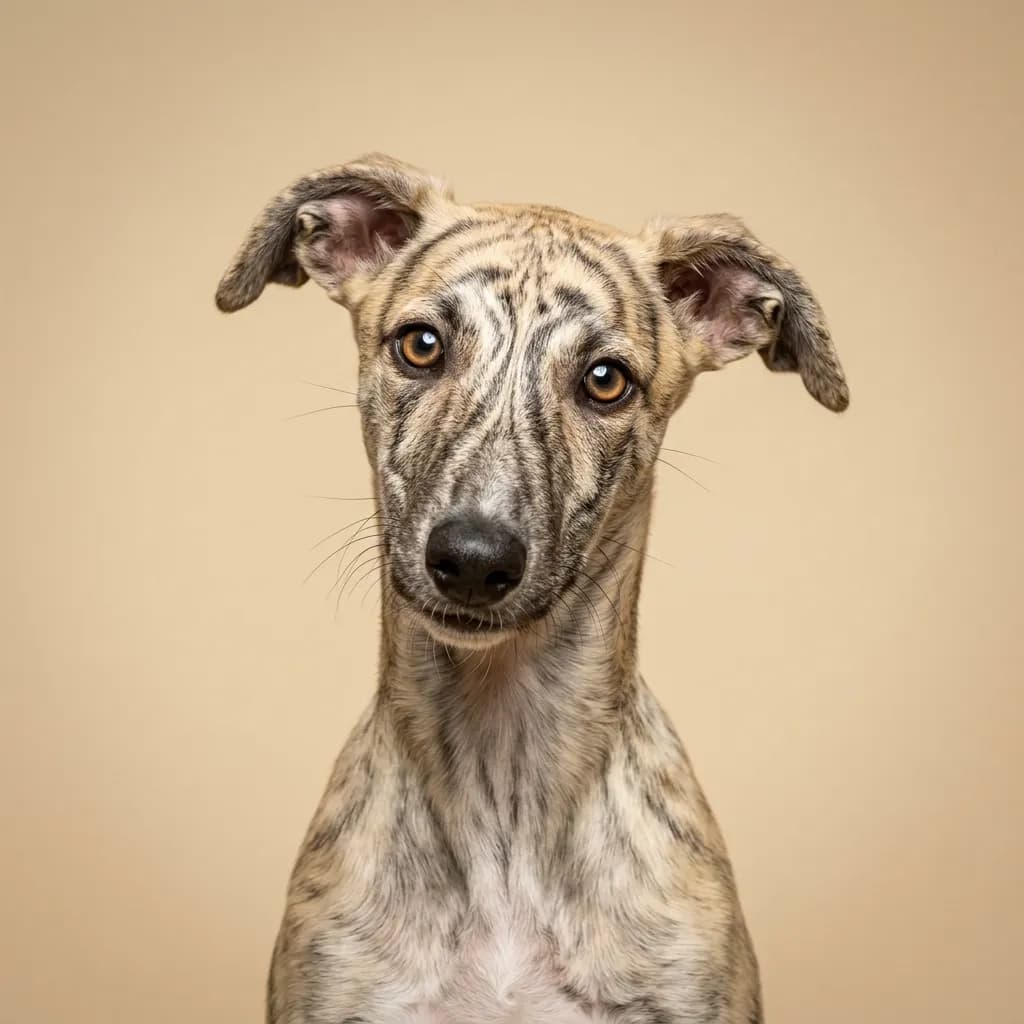
Not sure which breed fits your life?
Answer five questions about your home, your schedule, and your tolerance for shedding. We’ll match you to your top three breeds from over 200.
Alaskan Malamute vs Greyhound
People compare Alaskan Malamutes and Greyhounds because they’re both big dogs with short coats, but that’s where the similarities end. Think of them as polar opposites in a fur coat and a greyhound suit. You’re not just picking a breed, you’re picking a lifestyle. The Malamute was built for hauling heavy sleds across frozen tundra. They’re strong, stubborn, and built for endurance. You’ll need a yard, preferably snow-covered, and the time to match their energy. They thrive in cold climates and with owners who know how to set boundaries. They’re affectionate with their people but can be aloof with strangers and unpredictable with kids if not socialized early. They shed like it’s their job. twice a year, you’ll find clumps of fur like wool sweaters exploded. Now, the Greyhound. Sleek, silent, and shockingly lazy indoors. Despite their racing heritage, most are couch potatoes by the time they’re adopted. They’re gentle, sensitive, and surprisingly apartment-friendly as long as they get a daily sprint. But don’t be fooled by their calm demeanor. they’ll chase squirrels, cats, anything that moves, and recall training often fails. They’re low-shedders, easy on the grooming, but their thin coats mean they need sweaters in winter. Here’s the real insight: Malamutes need a job, Greyhounds need a soft place to land. If you want a dog that pulls you into adventure and doesn’t mind the cold, go Malamute. If you want a quiet, dignified companion who likes short bursts of speed and long naps, adopt a retired racer. Just remember. neither does well in heat, and both break your heart when they leave, because that 10-14 year span feels way too short.
Trait-by-trait
Higher bar = more of that trait. Shedding, barking, drooling, grooming flipped for readability.Where they diverge
Choose the Alaskan Malamute if…
- Active people
- Cold climates
- Experienced owners
- You value coat grooming — Alaskan Malamute scores noticeably higher.
Choose the Greyhound if…
- Apartment dwellers (surprisingly calm indoors)
- Adoption-minded owners (many ex-racers)
- Low-maintenance coat owners
- You value affectionate w/ family — Greyhound scores higher here.