Alaskan Malamute vs Mastiff
Side-by-side comparison across all 14 AKC trait ratings, with a clear verdict on which breed fits which kind of household.

Not sure which breed fits your life?
Answer five questions about your home, your schedule, and your tolerance for shedding. We’ll match you to your top three breeds from over 200.
Alaskan Malamute vs Mastiff
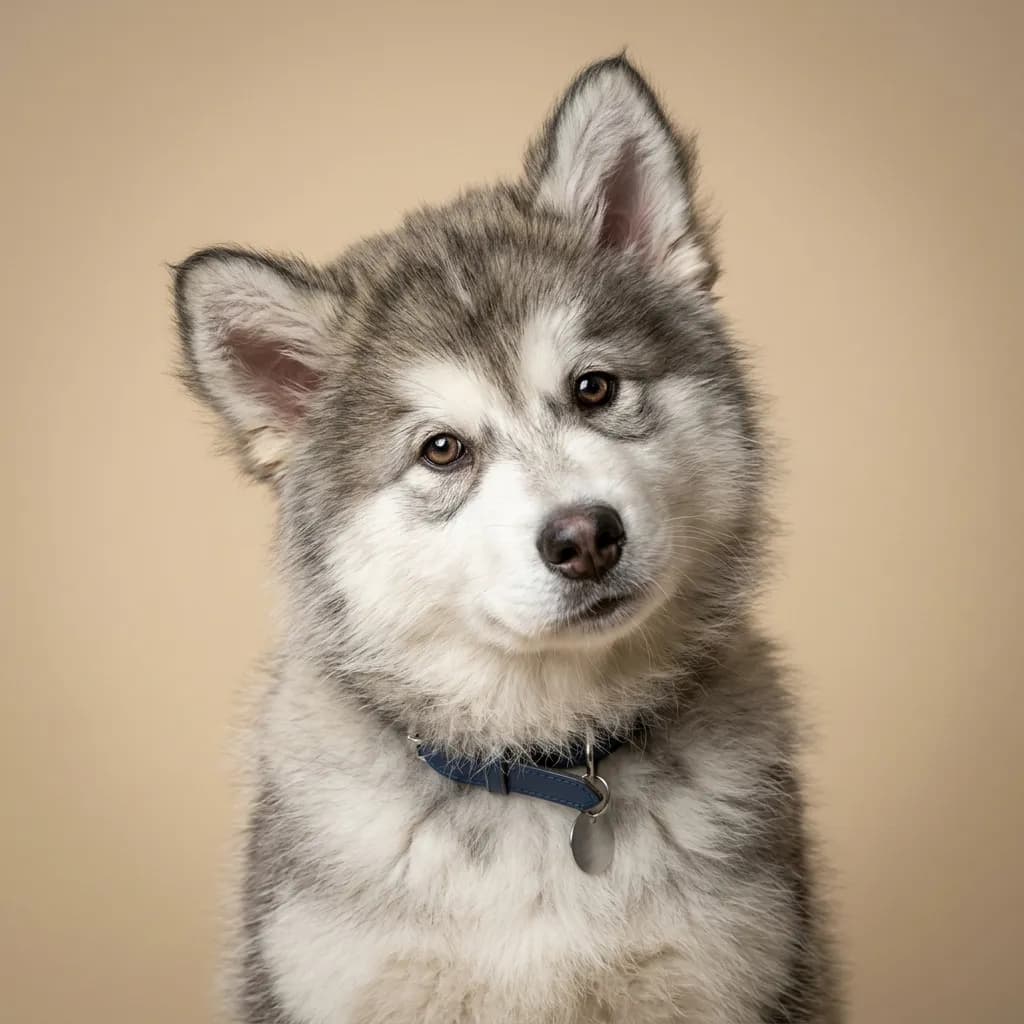
People compare Alaskan Malamutes and Mastiffs because both are big, powerful dogs with a commanding presence, and they’re often lumped together as “working giants” on breed sites. But in real life, they’re nothing alike. If you’re choosing between them, you’re really choosing between a snow-loving endurance athlete and a gentle, house-sized couch guardian. The Malamute is built for movement. These dogs were born to pull heavy sleds across frozen tundra, and that energy doesn’t disappear in your backyard. You’ll need space, cold weather, and a commitment to serious daily exercise. They’re smart and affectionate but stubborn enough that first-time owners often feel defeated. They’ll outlast you on a hike but won’t fetch reliably or obey consistently without patient, experienced training. Mastiffs, on the other hand, are calm, deeply loyal, and surprisingly quiet. They don’t need hours of activity, but their size alone demands respect. a full-grown Mastiff can weigh over 200 pounds and take up half your sofa. They’re natural guardians with a dignified demeanor, great with older kids, and surprisingly adaptable indoors as long as they have room. But their lifespan is short, often just 6 to 10 years, and their health risks are serious and expensive. Here’s the real talk: Malamutes demand lifestyle changes. Mastiffs demand financial readiness. If you want a partner for outdoor adventures in a cold climate and don’t mind the shedding and willpower, go Malamute. If you want a calm, affectionate giant who’ll guard your home and love your family with quiet devotion, and you can handle vet bills and feeding costs, the Mastiff’s your dog. Just know. neither belongs in a small apartment or a novice home.
Trait-by-trait
Higher bar = more of that trait. Shedding, barking, drooling, grooming flipped for readability.Where they diverge
Choose the Alaskan Malamute if…
- Active people
- Cold climates
- Experienced owners
- You value coat grooming — Alaskan Malamute scores noticeably higher.
Choose the Mastiff if…
- Families with older children
- Experienced large-breed owners
- Those wanting a calm guardian
- You value drooling level — Mastiff scores higher here.