Alaskan Malamute vs Pointer
Side-by-side comparison across all 14 AKC trait ratings, with a clear verdict on which breed fits which kind of household.

Not sure which breed fits your life?
Answer five questions about your home, your schedule, and your tolerance for shedding. We’ll match you to your top three breeds from over 200.
Alaskan Malamute vs Pointer
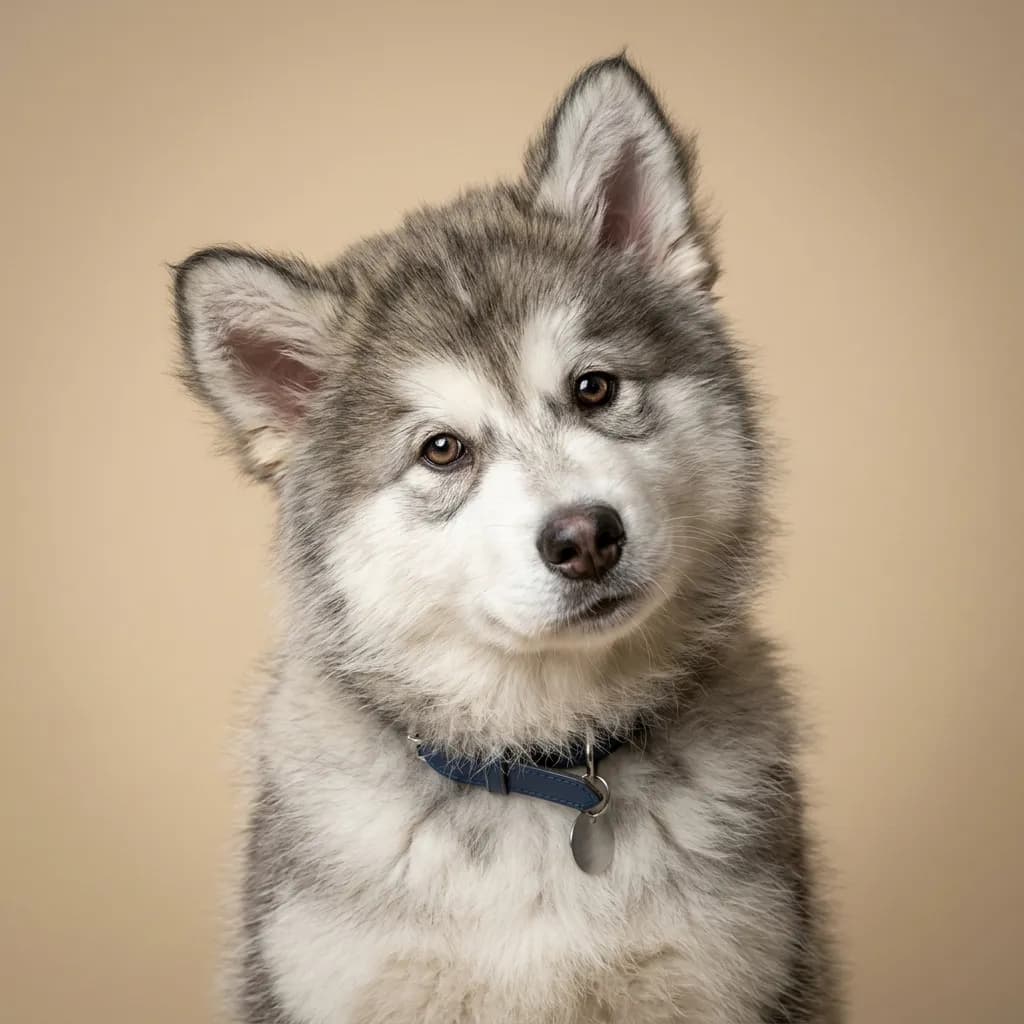
You don’t see Alaskan Malamutes and Pointers compared often, but I get why it happens. Both are large, athletic dogs built for serious work, and they share that intense, focused energy that makes them hard to ignore. But beneath the surface, they’re built for entirely different worlds. The Malamute is a powerhouse from the Arctic, bred to pull heavy loads through snow and cold. You’ll feel that heritage in their thick double coat, their stocky frame, and their stubborn streak. They’re loyal and affectionate with their people, but they’re not eager-to-please in the way many expect. They’ll look you in the eye and decide if they feel like obeying. That makes them a challenge for first-time owners, especially in warm climates where that coat becomes a liability. You need space, cold weather, and the time to meet their exercise needs. otherwise, they’ll redecorate your yard out of sheer boredom. The Pointer, on the other hand, is all about motion and purpose. Bred to quarter fields and lock into position when game is near, they live to run. Their energy isn’t brute force. it’s endurance. A Pointer will happily cover 10 miles a day with you, then curl up at your feet, content. They’re more adaptable than Malamutes, even thriving in active suburban homes, as long as they get serious daily runs. They’re also more naturally affectionate and easier to integrate into family life. Here’s the real difference: Malamutes demand a lifestyle built around them. Pointers can join yours. just make sure you’re ready to run. If you’re not outside every day, rain or shine, neither dog will thrive. But if you want a partner in adventure, not a mascot, the Pointer might just be the better fit.
Trait-by-trait
Higher bar = more of that trait. Shedding, barking, drooling, grooming flipped for readability.Where they diverge
Choose the Alaskan Malamute if…
- Active people
- Cold climates
- Experienced owners
- You value coat grooming — Alaskan Malamute scores noticeably higher.
Choose the Pointer if…
- Active families
- Hunters and field sport enthusiasts
- Outdoor and running enthusiasts
- You value affectionate w/ family — Pointer scores higher here.