Alaskan Malamute vs Redbone Coonhound
Side-by-side comparison across all 14 AKC trait ratings, with a clear verdict on which breed fits which kind of household.

Not sure which breed fits your life?
Answer five questions about your home, your schedule, and your tolerance for shedding. We’ll match you to your top three breeds from over 200.
Alaskan Malamute vs Redbone Coonhound
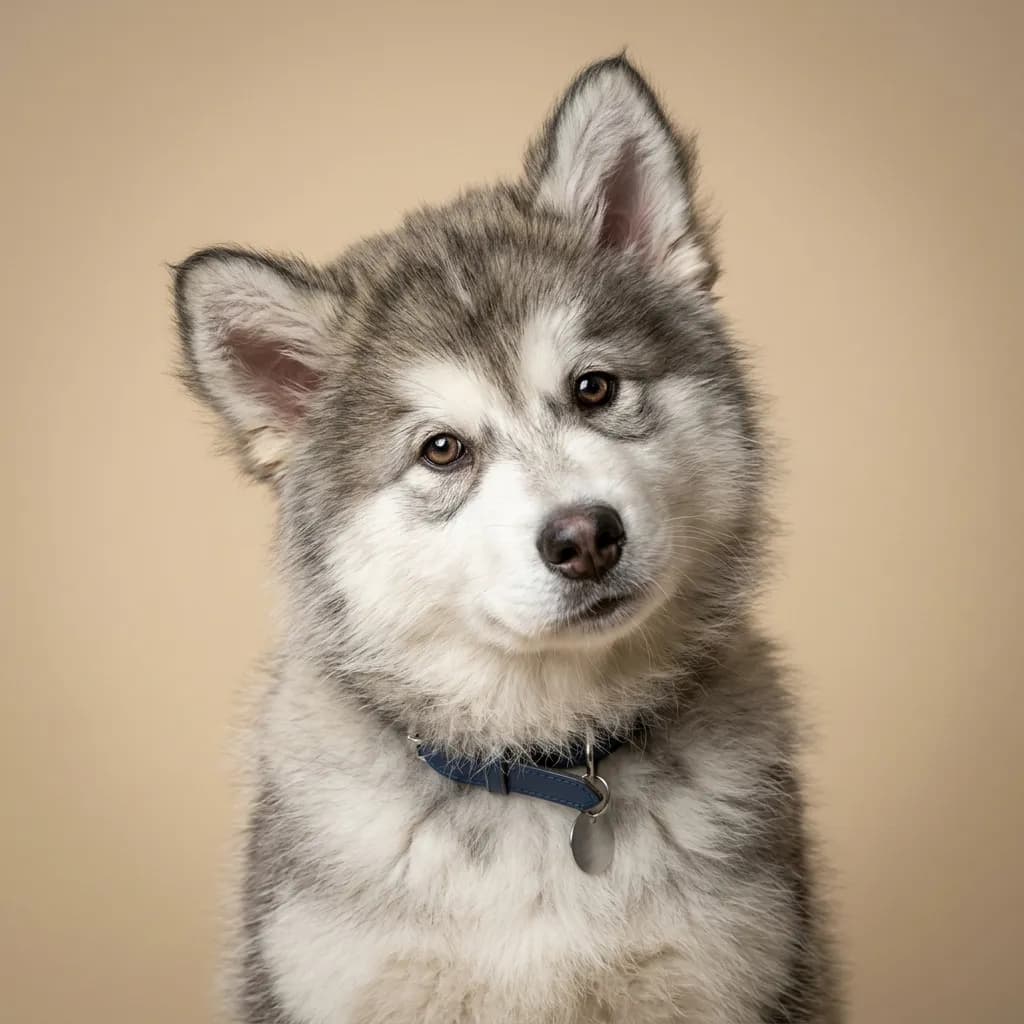
You don’t see people tossing up between an Alaskan Malamute and a Redbone Coonhound every day, but when you do, it’s usually someone who loves big, active dogs and wants a loyal outdoor partner. Both are sturdy, spirited, and need space to move. But that’s where the similarities ice over. The Malamute is a throwback to frozen trails and heavy loads. Think of them as the draft horses of the dog world. built for power, not speed. They’re affectionate with family but carry a stubborn streak that can fluster first-time owners. You’ll need time, patience, and a yard big enough for winter romps. They shed like crazy twice a year and won’t do hot weather. If you live in the South and don’t have serious AC, don’t bother. The Redbone? This is a dog that lives to follow a scent. Sleek, deep-chested, and built for tracking, they’re bred to bay up a tree at midnight and stay there till the hunter catches up. They’re more adaptable than Malamutes. fine in a suburban yard if exercised well. but that voice is a dealbreaker for some. They bond tightly, love kids, and are easier to live with day-to-day, as long as you don’t mind a nose always to the ground. Choose the Malamute if you want a majestic, cat-like companion with Arctic soul and you’re ready for the grooming and grit. Pick the Redbone if you’re a weekend woods person who wants a devoted, trainable dog that thrives on adventure and family. Here’s the real talk: Malamutes look like Instagram stars but act like moody athletes. Redbones don’t get as much attention, but they’re often the easier, more forgiving companion in real life.
Trait-by-trait
Higher bar = more of that trait. Shedding, barking, drooling, grooming flipped for readability.Where they diverge
Choose the Alaskan Malamute if…
- Active people
- Cold climates
- Experienced owners
- You value trainability — Alaskan Malamute scores noticeably higher.
Choose the Redbone Coonhound if…
- Active outdoor owners
- Hunters and tracking enthusiasts
- Rural or suburban households
- You value affectionate w/ family — Redbone Coonhound scores higher here.