American Eskimo Dog vs Beagle
Side-by-side comparison across all 14 AKC trait ratings, with a clear verdict on which breed fits which kind of household.
Not sure which breed fits your life?
Answer five questions about your home, your schedule, and your tolerance for shedding. We’ll match you to your top three breeds from over 200.
American Eskimo Dog vs Beagle
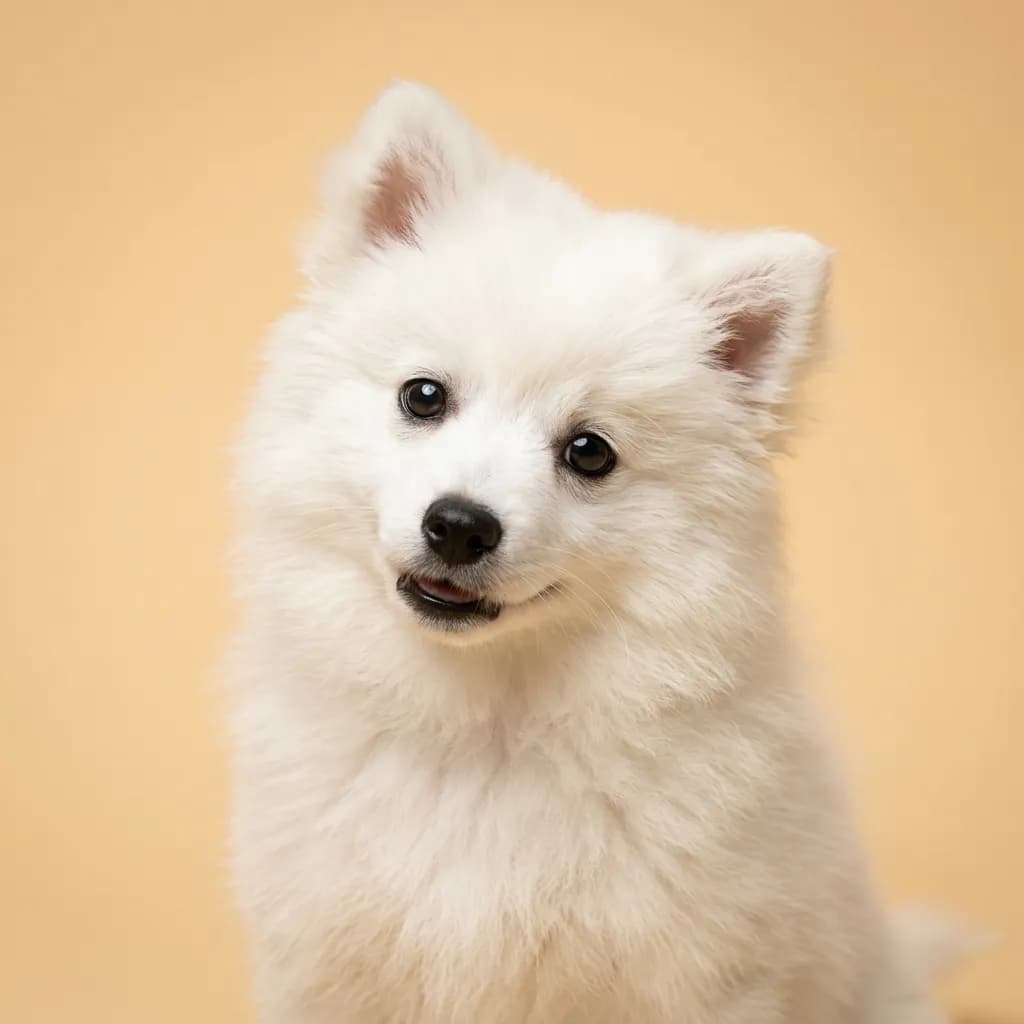
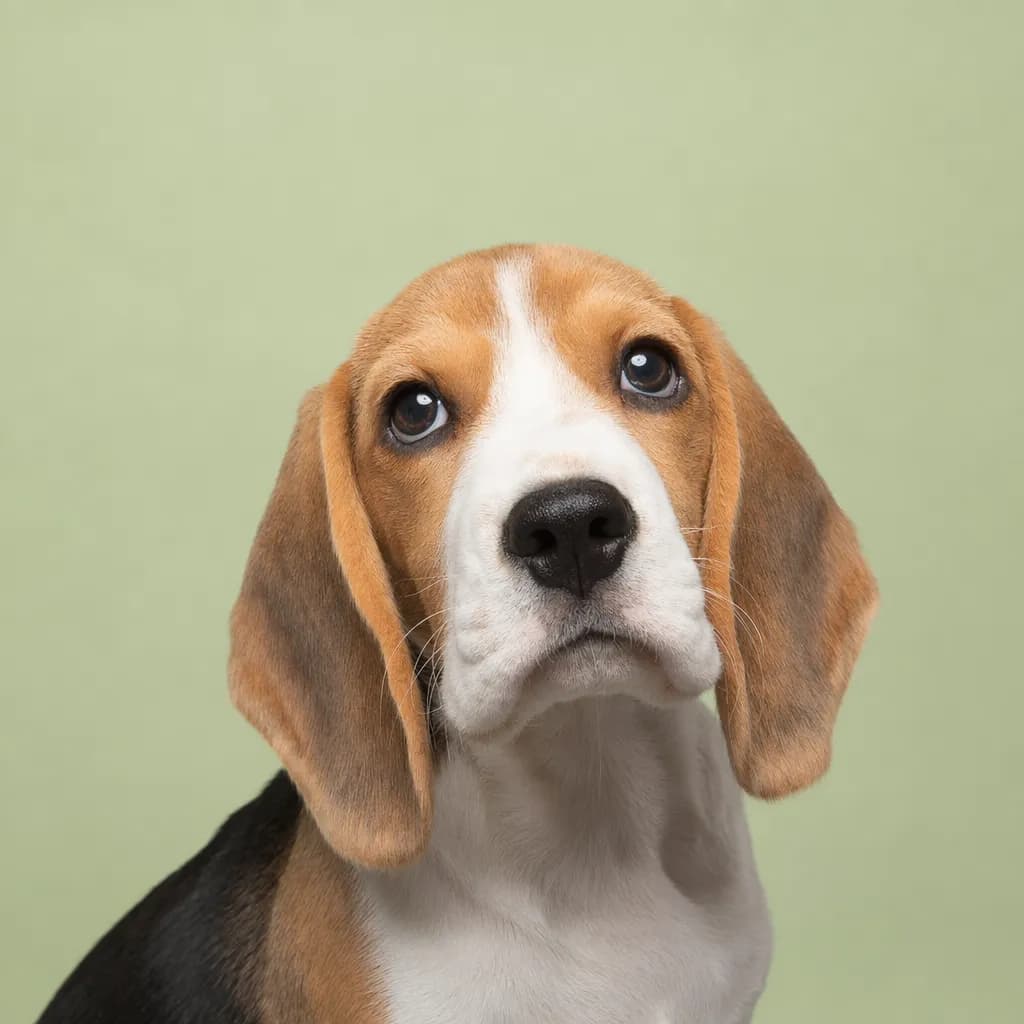
People compare American Eskimo Dogs and Beagles because they’re both medium-sized, family-friendly dogs with tails that won’t quit. But that’s where the similarities fade. If you’re torn between them, what you’re really choosing is alertness versus instinct. companion versus hunter. The American Eskimo Dog is a live wire in a fluffy white coat. Bred for circus tricks and barking at strangers, they’re sharp, loyal, and thrive on interaction. They’ll learn a trick in 10 minutes and remind you it’s dinner time with a polite but persistent stare. They bond deeply with kids and adapt well to city or country life, though they’ll need brushing every few days and a cool home in summer. Their bark is manageable, but their need for attention isn’t. Ignore them, and they’ll entertain themselves. possibly by redecorating your couch. Beagles, on the other hand, are scent-driven explorers. That merry bark? It’s often a full-throated bay, especially if they catch a whiff of something interesting down the block. They’re great with kids and other pets, and more independent than Eskies. But their trainability suffers because their nose is always working. You’ll never have a reliable off-leash dog, no matter how well you train. They’re lower maintenance grooming-wise, but ear infections are a real hassle if you don’t stay on top of cleaning. Here’s the real difference: Eskies want to be with you, watching your face for cues. Beagles want to be nose-first in the grass, lost in their own world. If you want a dog that feels like an extension of your family routine, go Eskie. If you love the chaos of a curious, food-obsessed little hunter who brings joy in bursts, get the Beagle. Just don’t expect them to come when called. ever.
Trait-by-trait
Higher bar = more of that trait. Shedding, barking, drooling, grooming flipped for readability.Where they diverge
Choose the American Eskimo Dog if…
- Families
- Active people
- Cold climates
- You value affectionate w/ family — American Eskimo Dog scores noticeably higher.
Choose the Beagle if…
- Families
- First-time owners
- Suburban homes
- You value good with other dogs — Beagle scores higher here.