American Eskimo Dog vs Norwegian Lundehund
Side-by-side comparison across all 14 AKC trait ratings, with a clear verdict on which breed fits which kind of household.
Not sure which breed fits your life?
Answer five questions about your home, your schedule, and your tolerance for shedding. We’ll match you to your top three breeds from over 200.
American Eskimo Dog vs Norwegian Lundehund
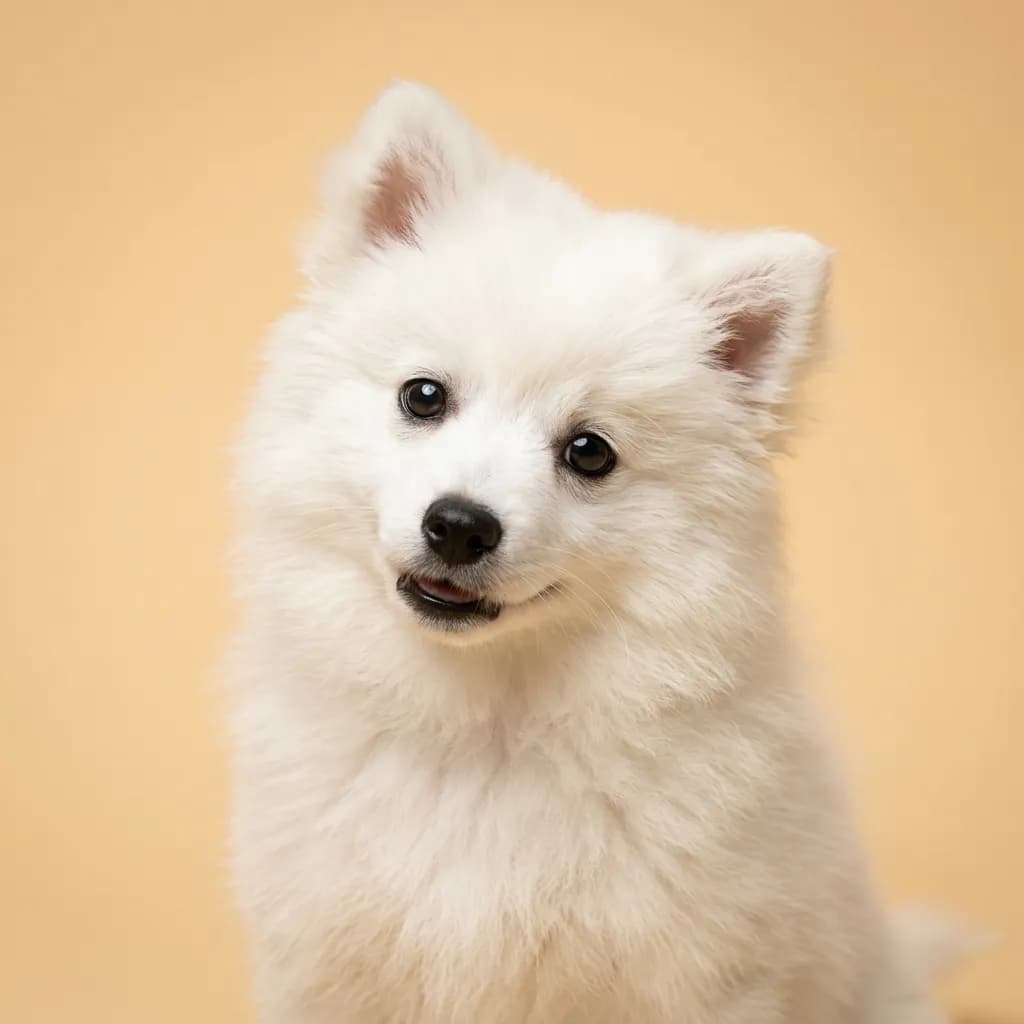
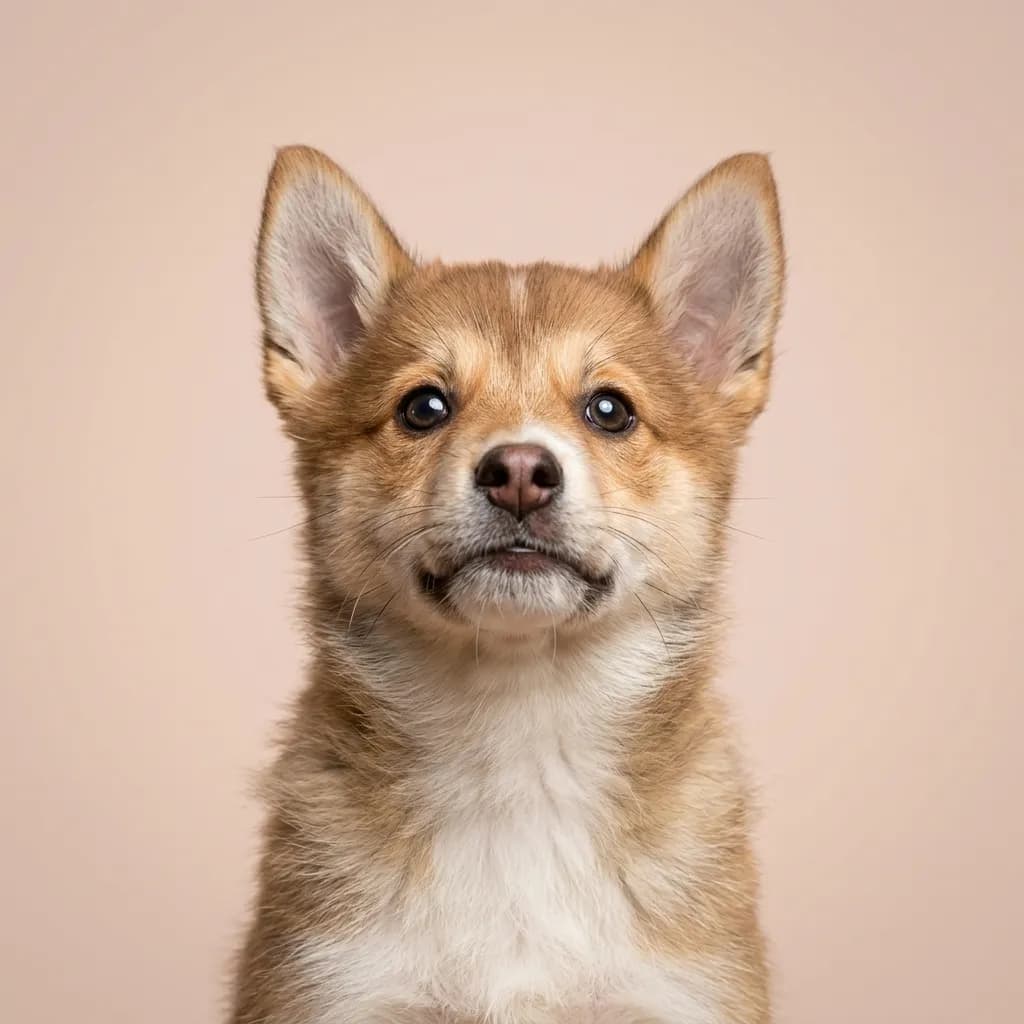
You’re probably comparing these two because they’re both fluffy, fox-faced northern dogs with “weird history” energy. Maybe you want something unique but family-friendly, or you’ve seen their wild photos online and got curious. But here’s the truth: they’re nothing alike in daily life. The American Eskimo Dog is your cheerful, high-energy comedian. Think agility trials, backyard fetch marathons, or learning tricks just to show off. They bond hard with families, adore kids, and will follow you from room to room like a furry shadow. You’ll need time for brushing and mental stimulation, but they adapt well to apartments or houses as long as they get their daily zoomies. They’re smart and eager, so training clicks fast. but they’ll out-think lazy owners. The Norwegian Lundehund? That’s a project. Adorable, yes, with six toes and ears that fold shut. But this dog was built for one absurd job. climbing sheer cliffs to hunt puffins. and it shows. They’re independent, stubborn, and emotionally reserved even with family. Not hostile, just… cautious. They need experienced handling, especially around health. Lundehund syndrome means lifelong diet management and vet vigilance. You don’t pick this breed for fun tricks or kid snuggles. You pick it because you’re obsessed with rare dogs and want a living piece of history. Here’s the real difference: the Eskie wants to be your best friend. The Lundehund tolerates you because you open jars of special digestive food. If you want joy and connection, go Eskie. If you want a challenge and don’t mind emotional distance, the Lundehund might earn your respect. eventually.
Trait-by-trait
Higher bar = more of that trait. Shedding, barking, drooling, grooming flipped for readability.Where they diverge
Choose the American Eskimo Dog if…
- Families
- Active people
- Cold climates
- You value affectionate w/ family — American Eskimo Dog scores noticeably higher.
Choose the Norwegian Lundehund if…
- Experienced dog owners
- Those interested in rare breeds
- Active families