American Eskimo Dog vs Drever
Side-by-side comparison across all 14 AKC trait ratings, with a clear verdict on which breed fits which kind of household.
Not sure which breed fits your life?
Answer five questions about your home, your schedule, and your tolerance for shedding. We’ll match you to your top three breeds from over 200.
American Eskimo Dog vs Drever
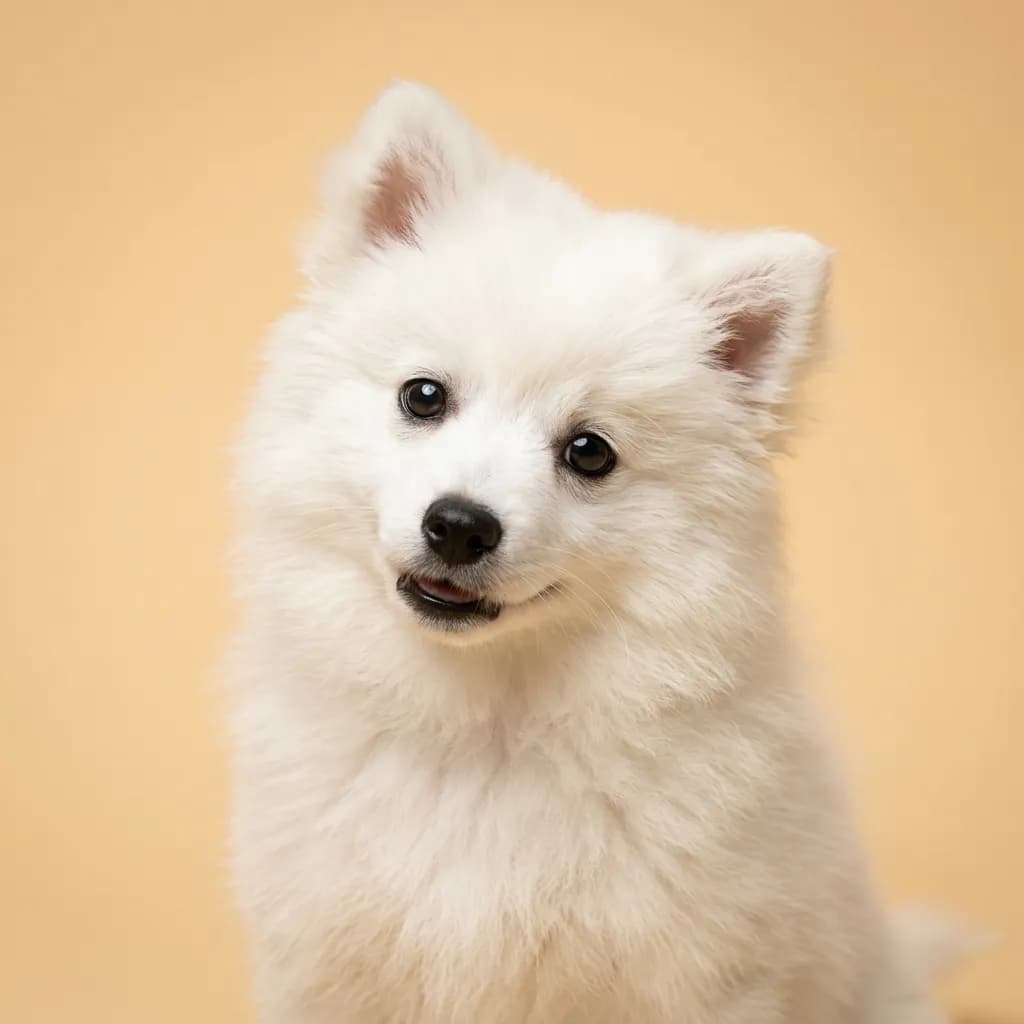
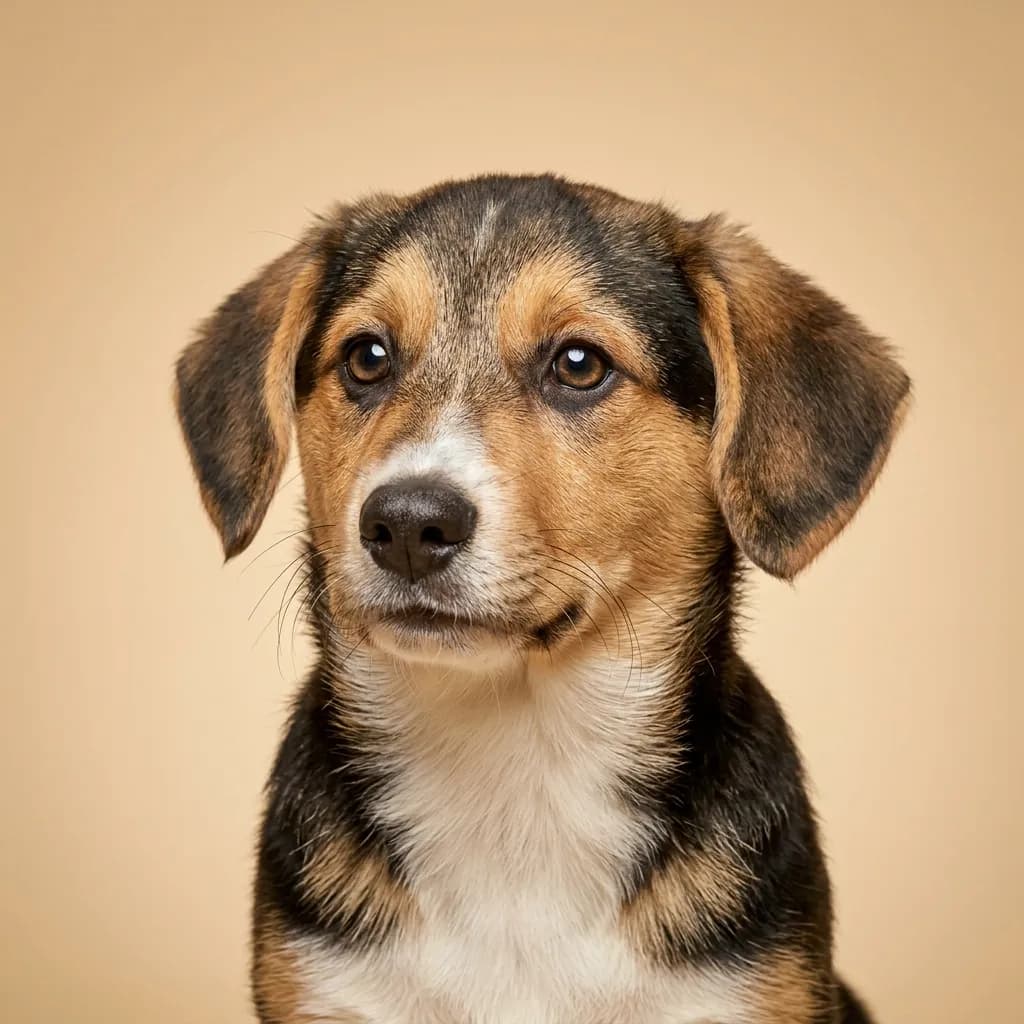
People compare the American Eskimo Dog and the Drever because they’re both medium-energy, family-friendly breeds with thick coats and a nose for activity. But that’s where the similarity ends. Think of the Eskie as your upbeat, quick-learning roommate who’s always ready for a trick or a walk, while the Drever is the calm, focused partner who’s mentally mapping the forest trail you’re on. The American Eskimo thrives on interaction. They’re smarter in the obedience sense, eager to please, and will entertain you for hours with their antics. They bond tightly with families, adore kids, and adapt well to suburban life. just don’t live somewhere hot or expect them to skip grooming day. Their fluffy white coat sheds year-round and demands brushing, not neglect. If you’re into dog sports or want a lively companion who’ll learn a new trick in 15 minutes, they’re golden. The Drever, though, was built for purpose. Bred to track deer silently through Scandinavian woods, they’re calmer at home but relentless when on a scent. They’re heavier, longer-backed, and need secure fencing. because once they catch a whiff, recall becomes a suggestion. They’re excellent with kids too, but less “show me your socks!” and more “let’s go find that trail.” They don’t adapt well to small yards or city living. You need space, time outdoors, and an appreciation for quiet determination. Here’s the real talk: the Eskie will love everyone in the room. The Drever will choose you. and follow like a shadow. If you want a dog that’s engaged with your daily life, go Eskie. If you want a hunting partner who also happens to be gentle with children, the Drever’s your dog. Just remember: both need activity, but the Drever needs purpose.
Trait-by-trait
Higher bar = more of that trait. Shedding, barking, drooling, grooming flipped for readability.Where they diverge
Choose the American Eskimo Dog if…
- Families
- Active people
- Cold climates
- You value coat grooming — American Eskimo Dog scores noticeably higher.
Choose the Drever if…
- hunters
- active families in cold climates
- outdoor adventurers
- You value good with other dogs — Drever scores higher here.