American Eskimo Dog vs German Spitz
Side-by-side comparison across all 14 AKC trait ratings, with a clear verdict on which breed fits which kind of household.
Not sure which breed fits your life?
Answer five questions about your home, your schedule, and your tolerance for shedding. We’ll match you to your top three breeds from over 200.
American Eskimo Dog vs German Spitz
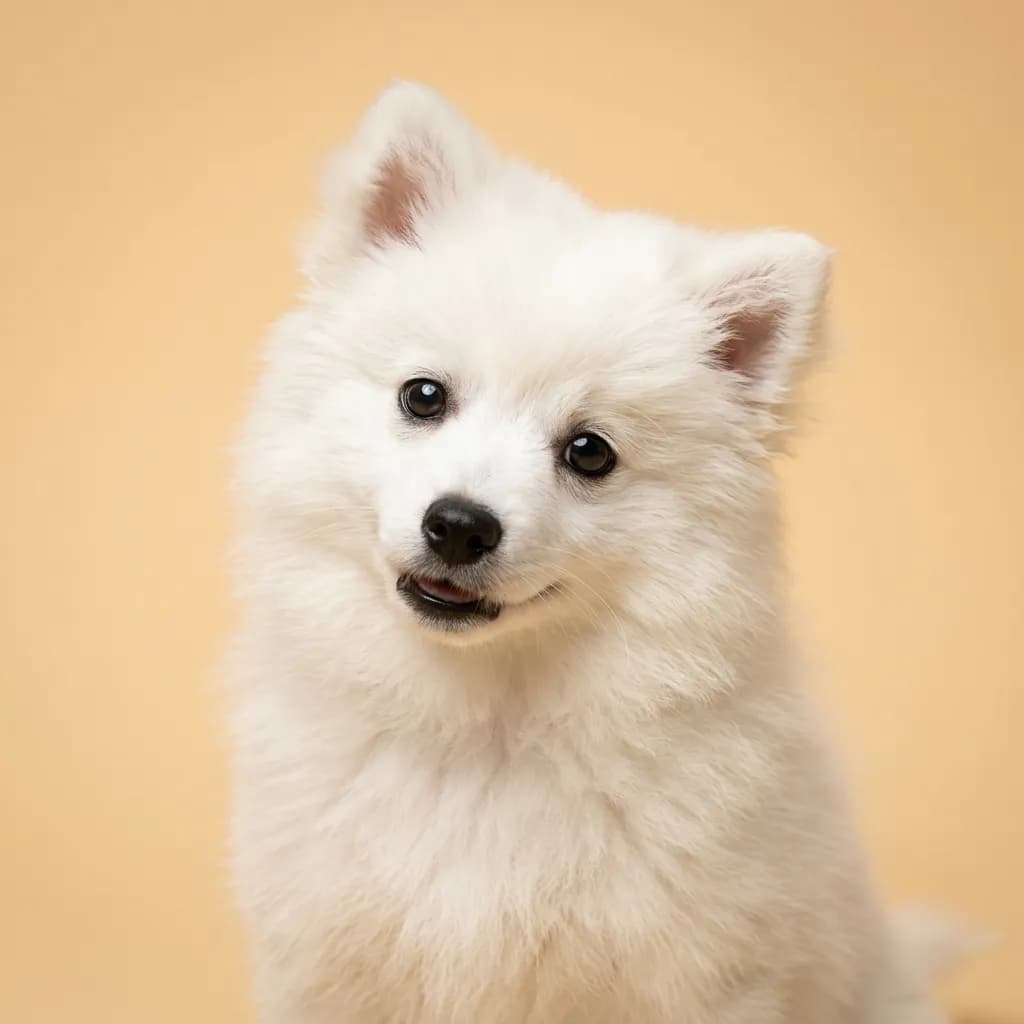
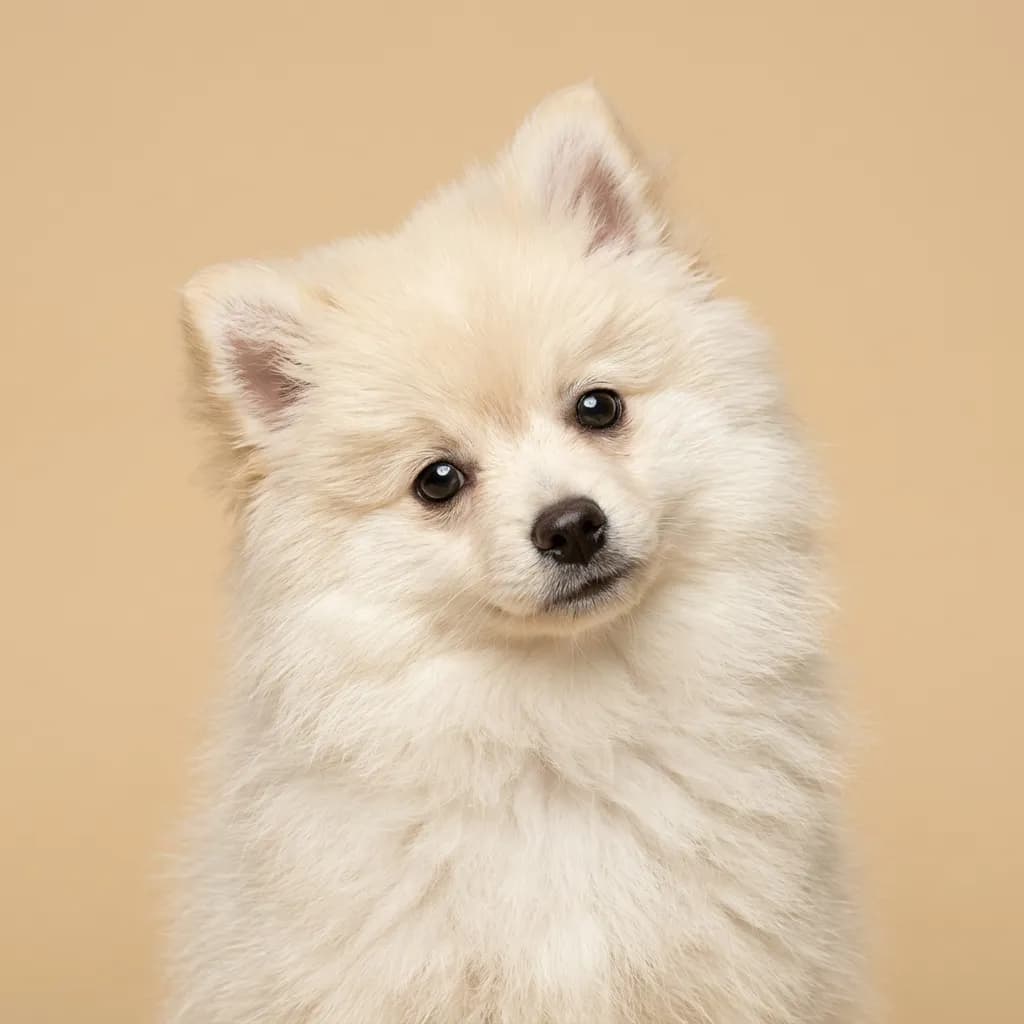
People mix up the American Eskimo Dog and the German Spitz because they look like long-haired cousins at a family reunion. fluffy white coats, perky ears, that fox-like face. But behind the similar sparkle in their eyes, they’ve got different rhythms to their lives. Both are smart, loyal, and built for cold weather, but what they want from you is different. The American Eskimo Dog is the showstopper with a backstage pass to circus history. These dogs are more energetic, more kid-tolerant, and thrive when they’ve got games to learn or tricks to master. They’re great with families, not just because they’re gentle with children, but because they want to be part of the action. hiking, training, playing. You’ll spend time brushing their coat weekly, and yes, they’ll bark, but it’s usually with purpose. The German Spitz, especially the Mittel variety, is more of a homebody with opinions. They’re incredibly alert and will let you. and the entire apartment building. know when the mail truck turns onto the street. Their barking isn’t mischief, it’s duty. They bond deeply with their person and are easier to train in obedience, but they can be wary with kids if not socialized early. They’re better suited for someone who wants a sharp, affectionate companion who’s happy on morning walks and cozy evenings. Here’s the real talk: neither is low-maintenance, but the American Eskimo Dog needs activity, while the German Spitz needs management of its voice. If you’re gone a lot or hate constant chatter, skip the Spitz. If you want a quieter, more reserved pup, the Eskie might surprise you with its zest. Pick based on energy, not just fluff.
Trait-by-trait
Higher bar = more of that trait. Shedding, barking, drooling, grooming flipped for readability.Where they diverge
Choose the American Eskimo Dog if…
- Families
- Active people
- Cold climates
- You value good with young children — American Eskimo Dog scores noticeably higher.
Choose the German Spitz if…
- Apartment dwellers
- Families with children
- Alert watchdog
- You value barking level — German Spitz scores higher here.