American Eskimo Dog vs Greyhound
Side-by-side comparison across all 14 AKC trait ratings, with a clear verdict on which breed fits which kind of household.
Not sure which breed fits your life?
Answer five questions about your home, your schedule, and your tolerance for shedding. We’ll match you to your top three breeds from over 200.
American Eskimo Dog vs Greyhound
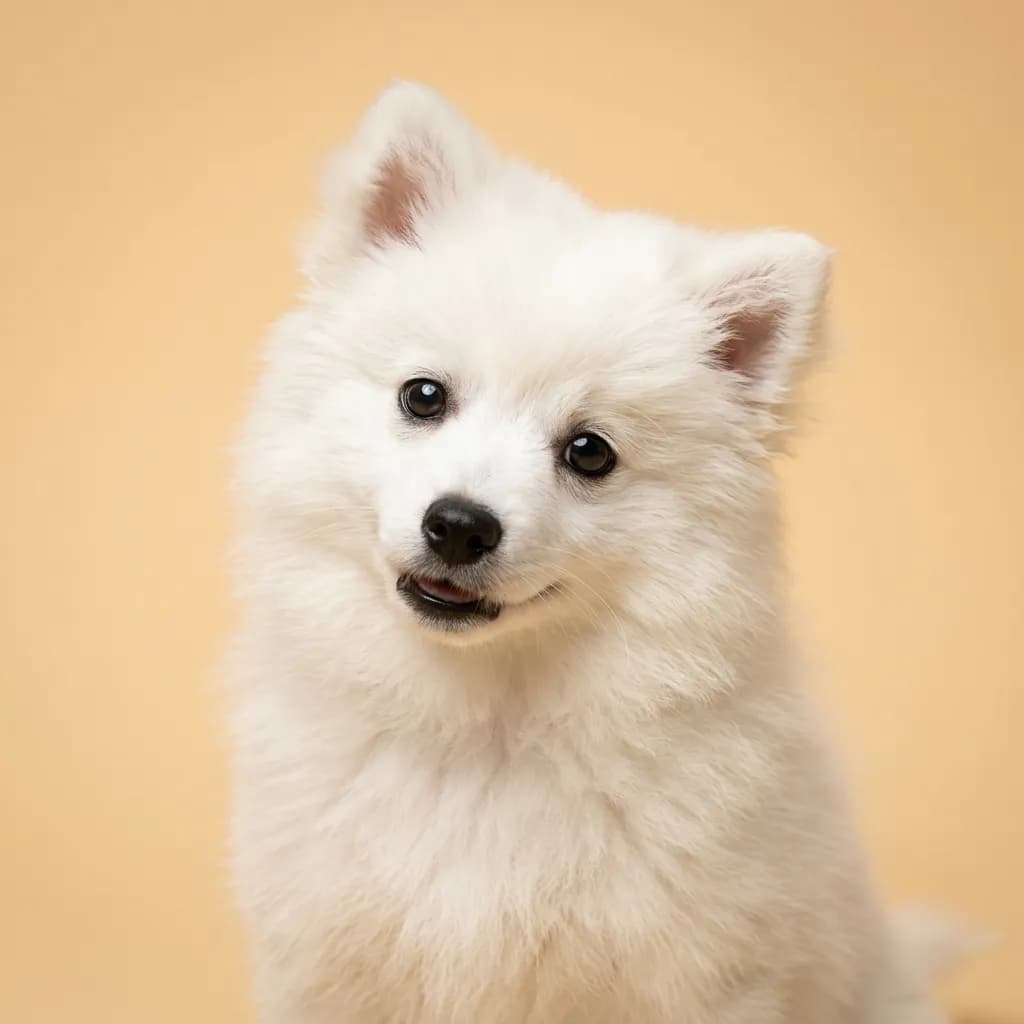
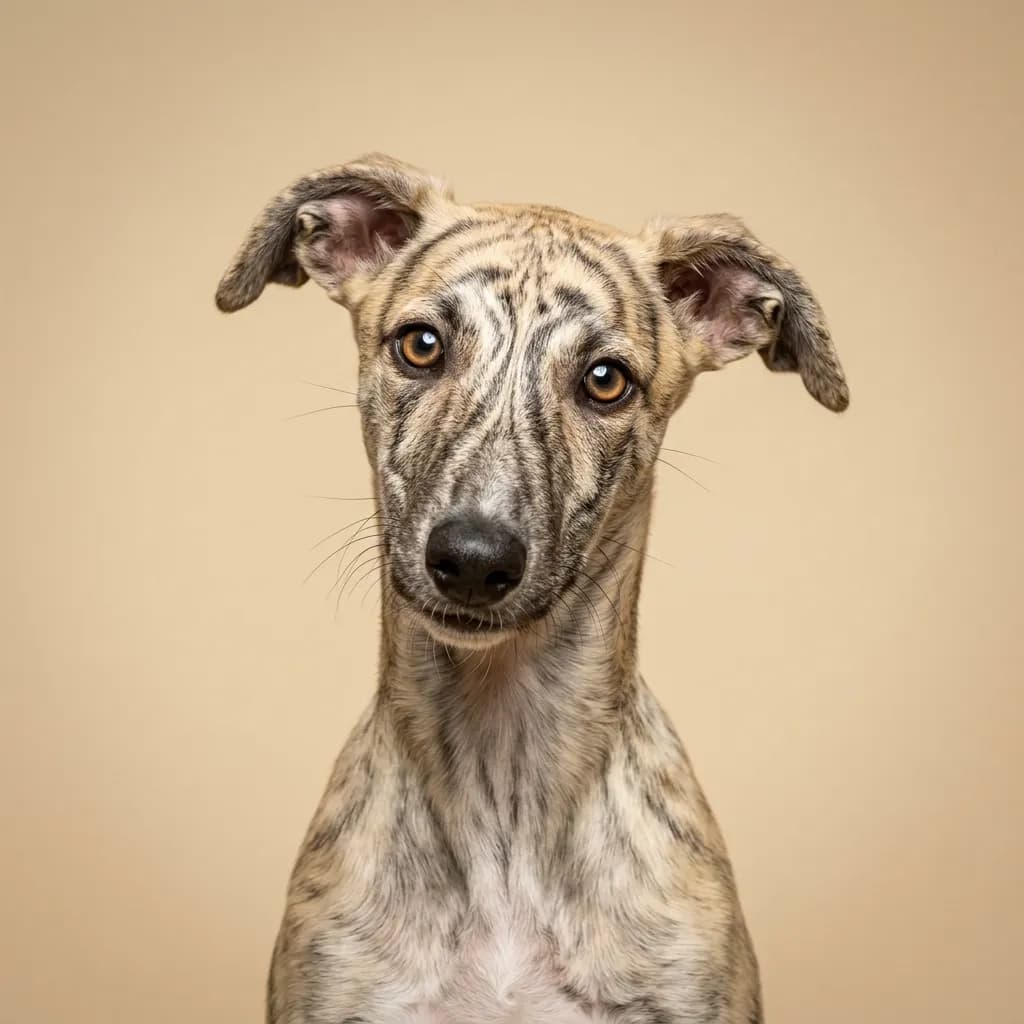
People compare American Eskimo Dogs and Greyhounds because both are striking in their own way and often end up on "unique but family-friendly" lists. But that’s where the similarity ends. One is a fluffy whirlwind that barks at squirrels from the porch, the other a 70-pound race car in dog form that naps in sunbeams all day. The American Eskimo is a thinker and a performer, bred to work under a circus tent, and it shows. They’re alert, eager, and need mental challenges. give them puzzle toys or obedience trials or they’ll invent their own jobs, like organizing your shoes by size. They bond tightly, adore kids, and thrive in cold weather. But that fluffy coat? It sheds, especially in spring, and you’ll brush it weekly just to keep the living room from looking like a snow globe exploded. The Greyhound, meanwhile, is a sprinter with couch aspirations. Outside, they can hit 45 mph in seconds, but inside? They’re famously lazy. Most live for two 10-minute walks and 18 hours of lounging. Their short coat is low-maintenance, but their body fat is so low they can’t handle anesthesia the way other dogs do. And while they’re gentle, they’re not naturally tuned into kids. they might not love sudden movements or loud noises. Here’s the real insight: the American Eskimo wants to be in your business all the time. The Greyhound respects your space. Pick the Eskie if you want a loyal, interactive companion who’ll learn tricks fast. Pick the Greyhound if you’re home a lot but don’t want a shadow. just a quiet, noble presence who occasionally reminds you they’re built for glory.
Trait-by-trait
Higher bar = more of that trait. Shedding, barking, drooling, grooming flipped for readability.Where they diverge
Choose the American Eskimo Dog if…
- Families
- Active people
- Cold climates
- You value good with young children — American Eskimo Dog scores noticeably higher.
Choose the Greyhound if…
- Apartment dwellers (surprisingly calm indoors)
- Adoption-minded owners (many ex-racers)
- Low-maintenance coat owners
- You value good with other dogs — Greyhound scores higher here.