American Eskimo Dog vs Stabyhoun
Side-by-side comparison across all 14 AKC trait ratings, with a clear verdict on which breed fits which kind of household.
Not sure which breed fits your life?
Answer five questions about your home, your schedule, and your tolerance for shedding. We’ll match you to your top three breeds from over 200.
American Eskimo Dog vs Stabyhoun
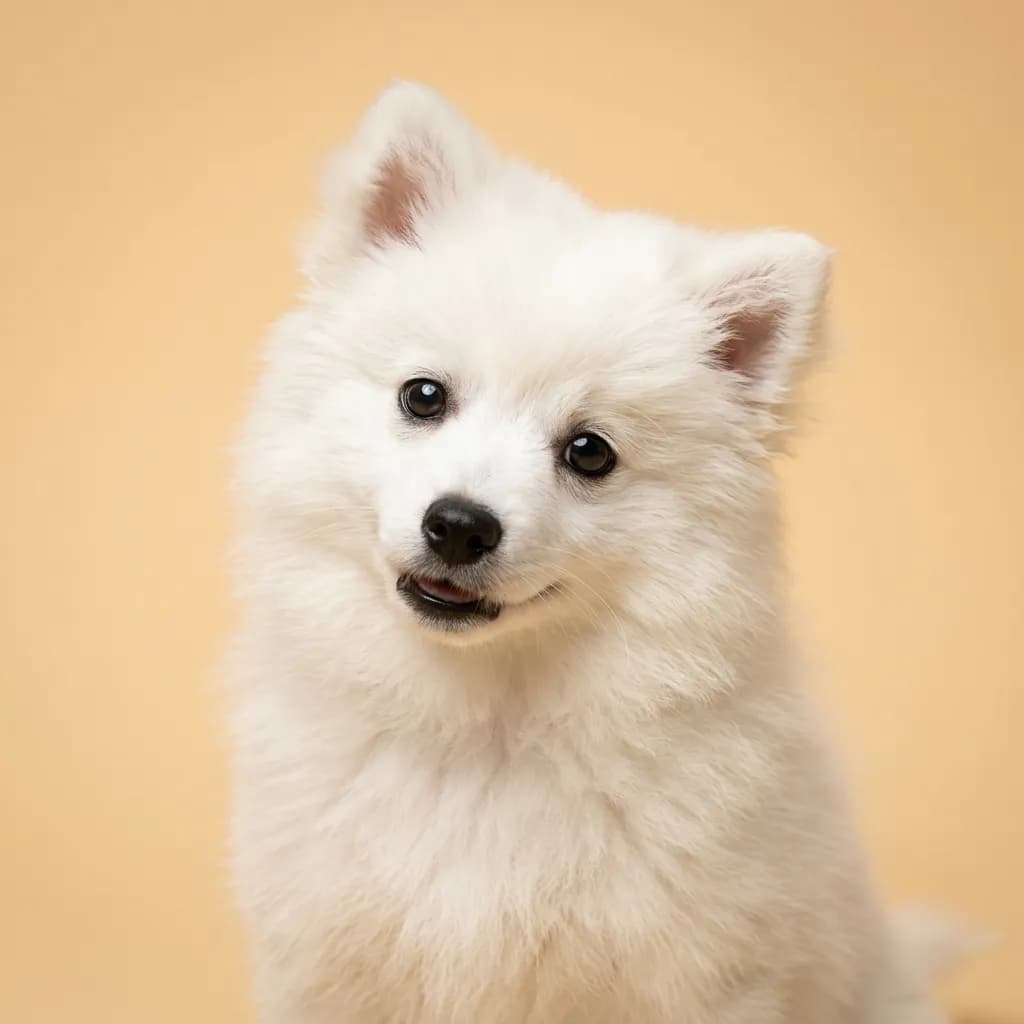
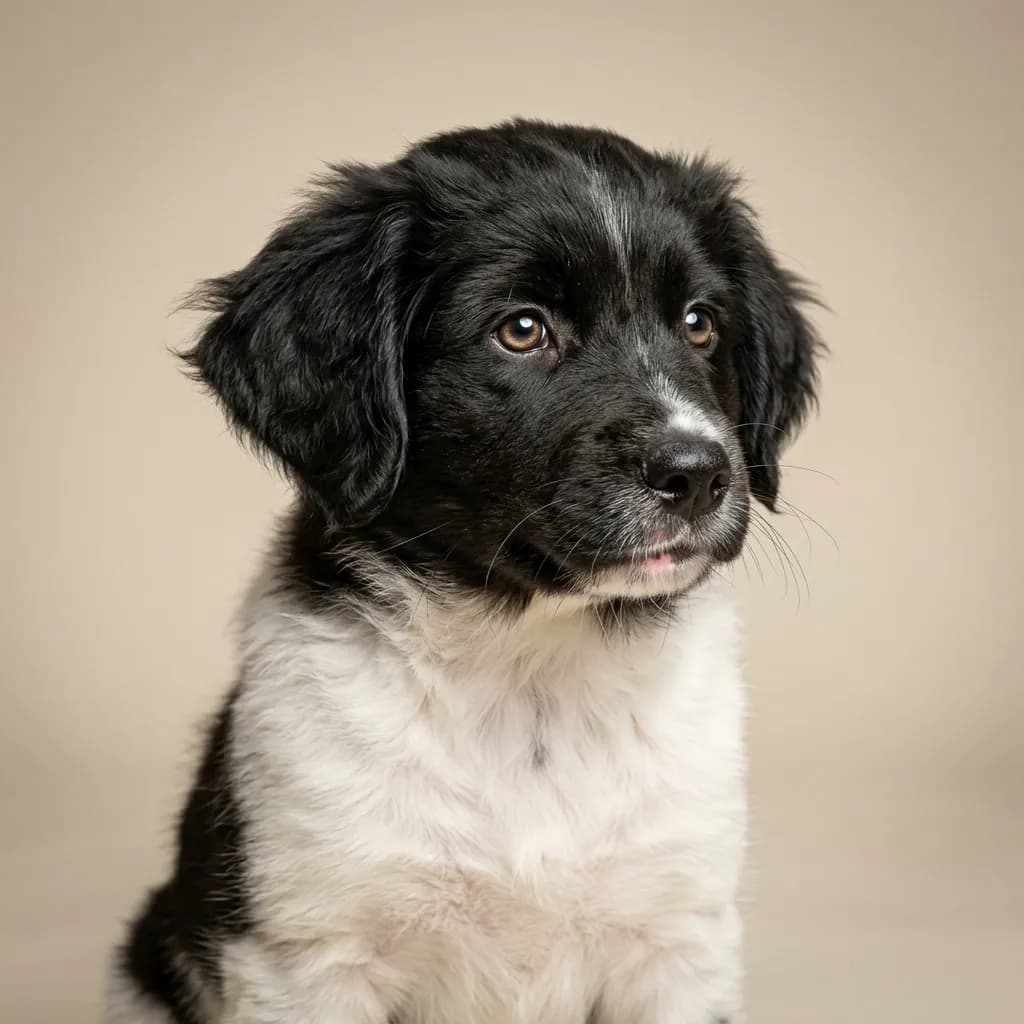
You don’t see American Eskimo Dogs and Stabyhouns compared every day, but if you’re scrolling through rare breeds with happy faces and family-friendly reputations, it’s easy to pause at these two. Both are smart, devoted, and live around 13 to 15 years. Both love kids and thrive on connection. But that’s where the similarities start to fade, and your lifestyle starts to matter a lot more. The American Eskimo Dog is the compact, fluffy entertainer. 6 to 35 pounds, always ready for a trick or a game. Bred for circus acts, they’re show-offs in the best way. They’re adaptable to apartments, love cold weather, and while they need daily walks and grooming, they don’t demand intense mental challenges. They’re loyal, bark a fair bit, and will follow you from room to room like a velcro dog. If you want an alert, affectionate companion who excels in agility or just making toddlers laugh, this could be your match. The Stabyhoun, though? This is a dog with purpose. At 40 to 60 pounds, it’s built for work. hunting, retrieving, ranging fields and marshes in the Dutch countryside. Even as a family dog, it needs serious physical and mental engagement. Not just a walk. a job. It’s calmer indoors than the Eskie, but under that serene surface is a brain that craves problem-solving. You’ll need space, time, and an active life. They’re rarer in the U.S., often costing more, and not for someone who just wants a pet. Here’s the real talk: the Eskie will entertain you. The Stabyhoun will change how you live. Pick the first if you want a lively, portable pal. Pick the second if you’re ready for a true partner. one that won’t just follow you, but push you to keep up.
Trait-by-trait
Higher bar = more of that trait. Shedding, barking, drooling, grooming flipped for readability.Where they diverge
Choose the American Eskimo Dog if…
- Families
- Active people
- Cold climates
- You value coat grooming — American Eskimo Dog scores noticeably higher.
Choose the Stabyhoun if…
- active families
- hunters and waterfowl retrievers
- dog sport enthusiasts
- You value good with other dogs — Stabyhoun scores higher here.