American Foxhound vs Belgian Sheepdog
Side-by-side comparison across all 14 AKC trait ratings, with a clear verdict on which breed fits which kind of household.

Not sure which breed fits your life?
Answer five questions about your home, your schedule, and your tolerance for shedding. We’ll match you to your top three breeds from over 200.
American Foxhound vs Belgian Sheepdog
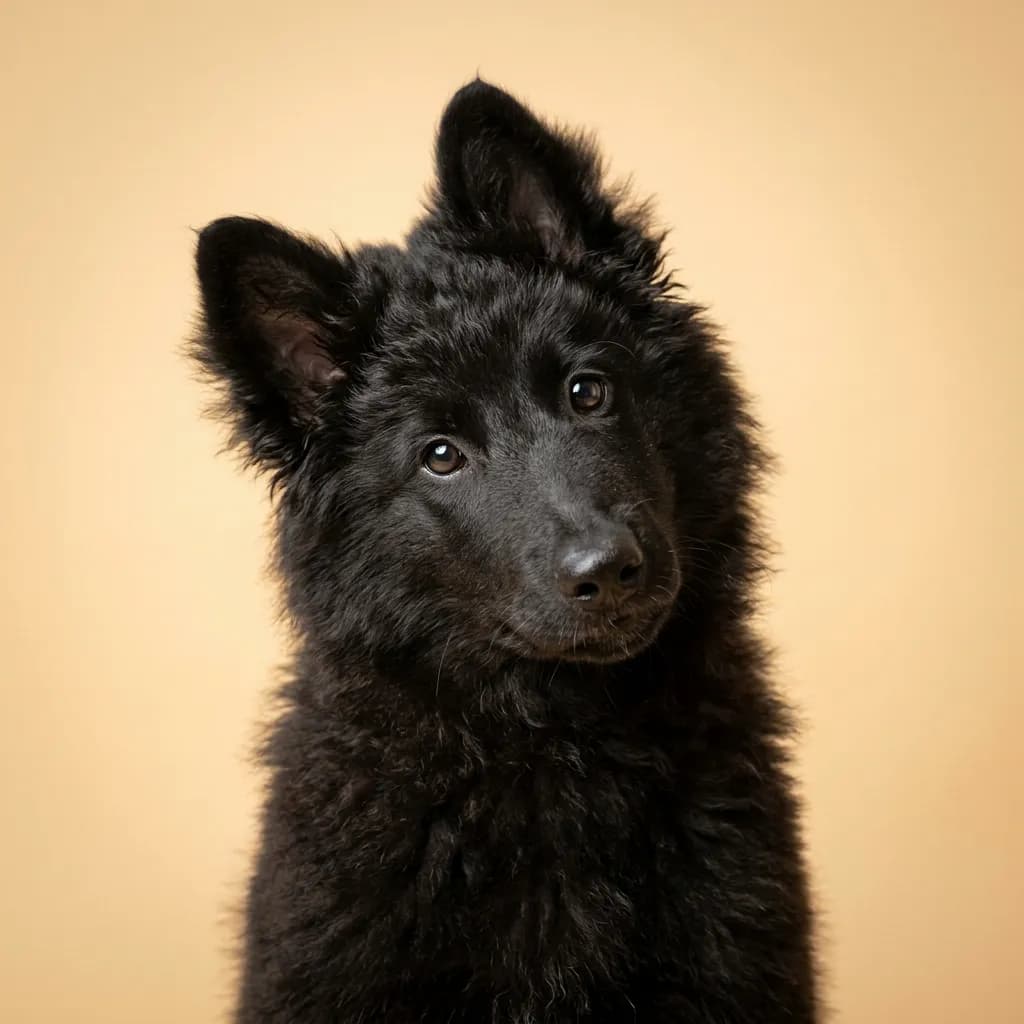
You’re looking at two active, medium-to-large dogs from different worlds, and you’re probably comparing them because they both sound like serious, energetic companions. But here’s the truth: they solve very different problems. The American Foxhound was built for one job. running for miles across open country, nose to the wind, baying loud enough for hunters on horseback to follow. That means they’re sweet, easygoing with people and other dogs, and shockingly independent. They’ll ignore you if a scent catches their interest. And yes, they bark. A lot. Like, all-night-long-with-neighbors-complaining a lot. The Belgian Sheepdog is the opposite kind of worker. Quiet unless alerting, intensely focused on their handler, bred to think and make decisions while herding. They’re deeply trainable, thrive in agility or protection sports, and bond tightly with their person. But they’re not the easygoing houseguest. They need a job, daily mental work, and experienced handling. They’re reserved with strangers and can be aloof with kids, not out of aggression but caution. If you’re rural, have a yard, and want a friendly, low-maintenance-in-temperament dog who loves to roam with other dogs, the Foxhound might fit. But if you want a partner for training, hiking, or dog sports. and you’ve got experience reading canine body language. go Belgian. Here’s the real talk: the Foxhound’s independence isn’t laziness. It’s bred-in autonomy. You can’t train it out. And the Belgian’s silence? It’s not disinterest. It’s assessment. They’re always watching, always working. Pick based on whose kind of intelligence you can keep up with.
Trait-by-trait
Higher bar = more of that trait. Shedding, barking, drooling, grooming flipped for readability.Where they diverge
Choose the American Foxhound if…
- Active people
- Rural homes
- Hunters
- You value good with young children — American Foxhound scores noticeably higher.
Choose the Belgian Sheepdog if…
- Active people
- Experienced owners
- Dog sports enthusiasts
- You value trainability — Belgian Sheepdog scores higher here.