American Hairless Terrier vs Australian Kelpie
Side-by-side comparison across all 14 AKC trait ratings, with a clear verdict on which breed fits which kind of household.

Not sure which breed fits your life?
Answer five questions about your home, your schedule, and your tolerance for shedding. We’ll match you to your top three breeds from over 200.
American Hairless Terrier vs Australian Kelpie
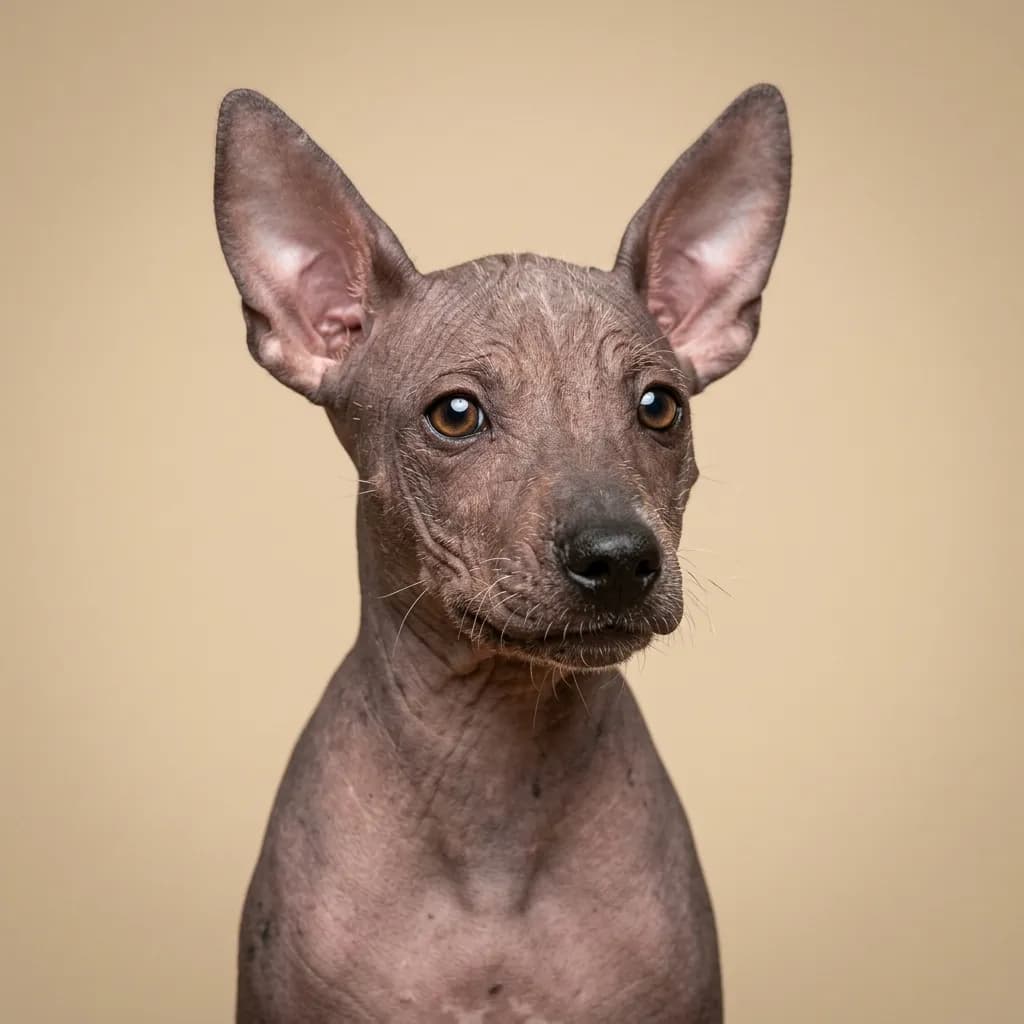
People compare the American Hairless Terrier and Australian Kelpie because both are smart, high-energy dogs with strong working roots. But that’s where the similarity ends. One is a tiny, hairless companion built for cozy homes. The other is a rugged herding machine built for 12-hour days under the Outback sun. If you live in a city apartment and want a loyal, affectionate dog who won’t leave your side and won’t shed on your couch, the American Hairless Terrier is a standout. It’s great with kids, adapts to small spaces, and actually thrives on routine family life. But don’t forget sunscreen. this dog burns easily, and you’ll need to dress it in cooler months. It’s eager to learn and picks up commands fast, but it doesn’t need hours of intense work to stay balanced. The Kelpie, by contrast, needs a job. Even active pet owners can underestimate how much mental and physical fuel this dog runs on. It’s not just about long walks or fetch. It wants purpose. agility, herding trials, or serious hiking. Without it, you’ll get chewing, pacing, or obsessive circling in the backyard. It’s loyal and affectionate with its family, but less naturally patient with young kids. And while it doesn’t bark much, it will herd them. hard. Here’s the real insight: the American Hairless Terrier bonds deeply and adjusts to your life. The Kelpie demands you adjust to its life. Choose the terrier if you want a warm, quirky companion who fits your world. Choose the Kelpie only if you’re ready to build your world around it.
Trait-by-trait
Higher bar = more of that trait. Shedding, barking, drooling, grooming flipped for readability.Where they diverge
Choose the American Hairless Terrier if…
- Allergy sufferers
- Apartment dwellers
- Active people
- You value good with young children — American Hairless Terrier scores noticeably higher.
Choose the Australian Kelpie if…
- working farms and ranches
- very active owners
- canine sport enthusiasts
- You value shedding level — Australian Kelpie scores higher here.