American Hairless Terrier vs Puli
Side-by-side comparison across all 14 AKC trait ratings, with a clear verdict on which breed fits which kind of household.
Not sure which breed fits your life?
Answer five questions about your home, your schedule, and your tolerance for shedding. We’ll match you to your top three breeds from over 200.
American Hairless Terrier vs Puli
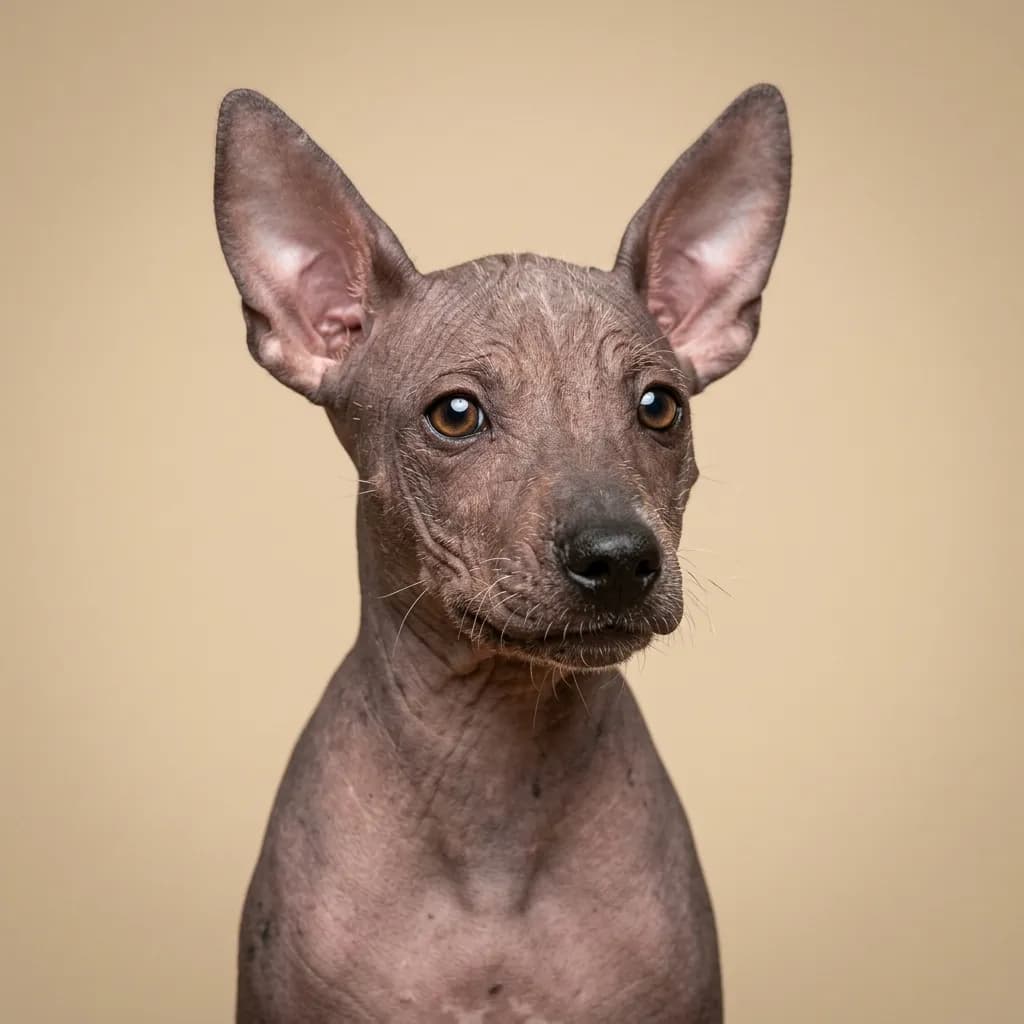
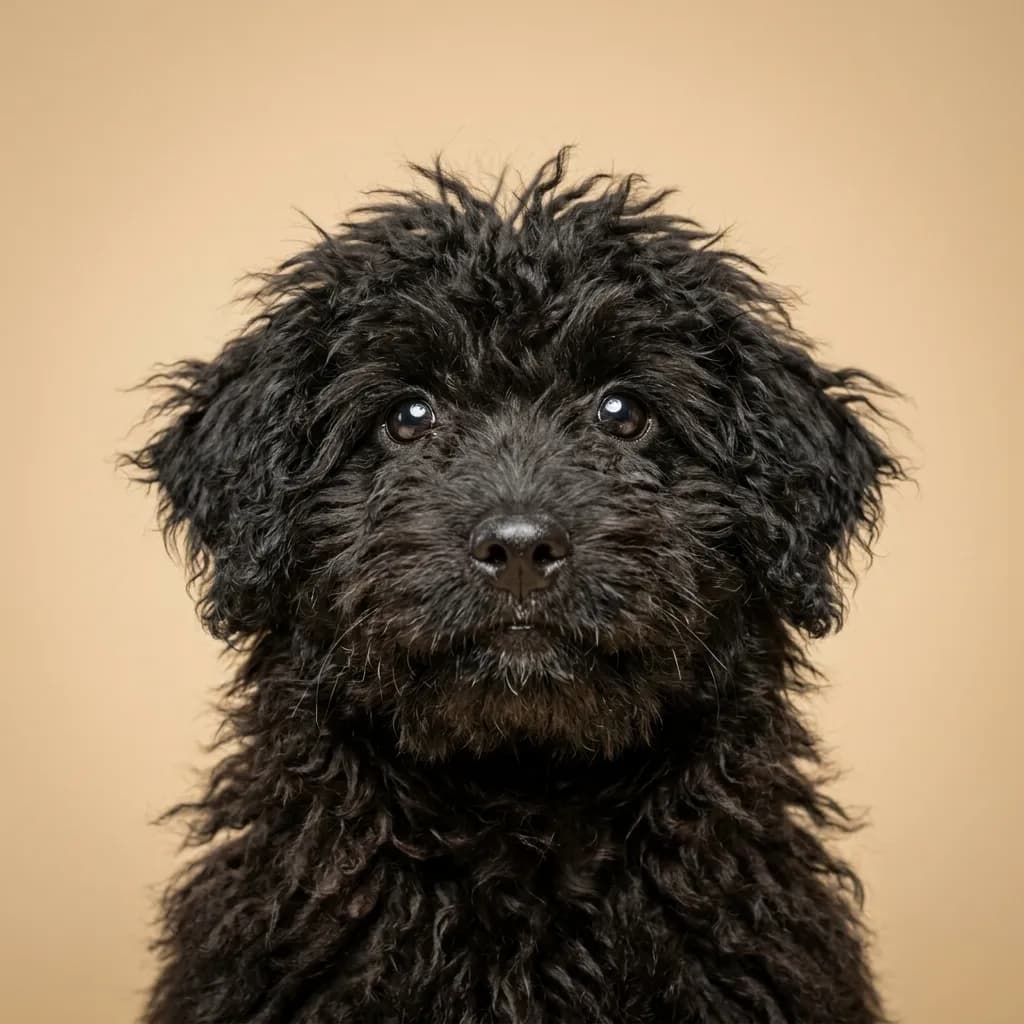
You’re probably comparing these two because they’re both rare, both low-shedding, and both look like they stepped out of a dog show from another planet. But here’s the truth: the American Hairless Terrier and the Puli solve very different problems for very different people. The Hairless? She’s the Velcro dog with a buzzcut personality. compact, clever, and clued into your every move. She’ll nap on your lap after chasing squirrels in the park, and she’s a dream for allergy sufferers or apartment dwellers. But don’t skip the sunscreen. This little guy burns like a redhead at the beach, and without a coat, she’s not built for freezing winters or scorching summers. She’s easy to train, loves kids, and adapts to your life like it’s her personal TV show. The Puli, though, is a project. That mop-like coat? It’s not just style. It forms dreadlocks naturally, and if you don’t commit to daily grooming and regular vet checks for skin underneath, you’re asking for trouble. But under all that wool is a sharp, loyal guardian who thrives on mental work. Pulis were bred to herd sheep in Hungary, so they need jobs, structure, and experienced hands. They’re affectionate with their people, but wary of strangers and can be intense with kids if not socialized early. Here’s the real talk: if you want a low-maintenance, allergy-friendly companion who fits neatly into city life, go Hairless. But if you’re an active owner who wants a dog that thinks, works, and bonds like a shadow, and you don’t mind looking like you live in a sheepdog cult. then the Puli’s your weird, wonderful match. Just know: the Puli isn’t a pet. It’s a partnership.
Trait-by-trait
Higher bar = more of that trait. Shedding, barking, drooling, grooming flipped for readability.Where they diverge
Choose the American Hairless Terrier if…
- Allergy sufferers
- Apartment dwellers
- Active people
- You value good with young children — American Hairless Terrier scores noticeably higher.
Choose the Puli if…
- Active families
- Experienced dog owners
- Those wanting a unique coat
- You value coat grooming — Puli scores higher here.