American Leopard Hound vs Basset Fauve de Bretagne
Side-by-side comparison across all 14 AKC trait ratings, with a clear verdict on which breed fits which kind of household.
Not sure which breed fits your life?
Answer five questions about your home, your schedule, and your tolerance for shedding. We’ll match you to your top three breeds from over 200.
American Leopard Hound vs Basset Fauve de Bretagne
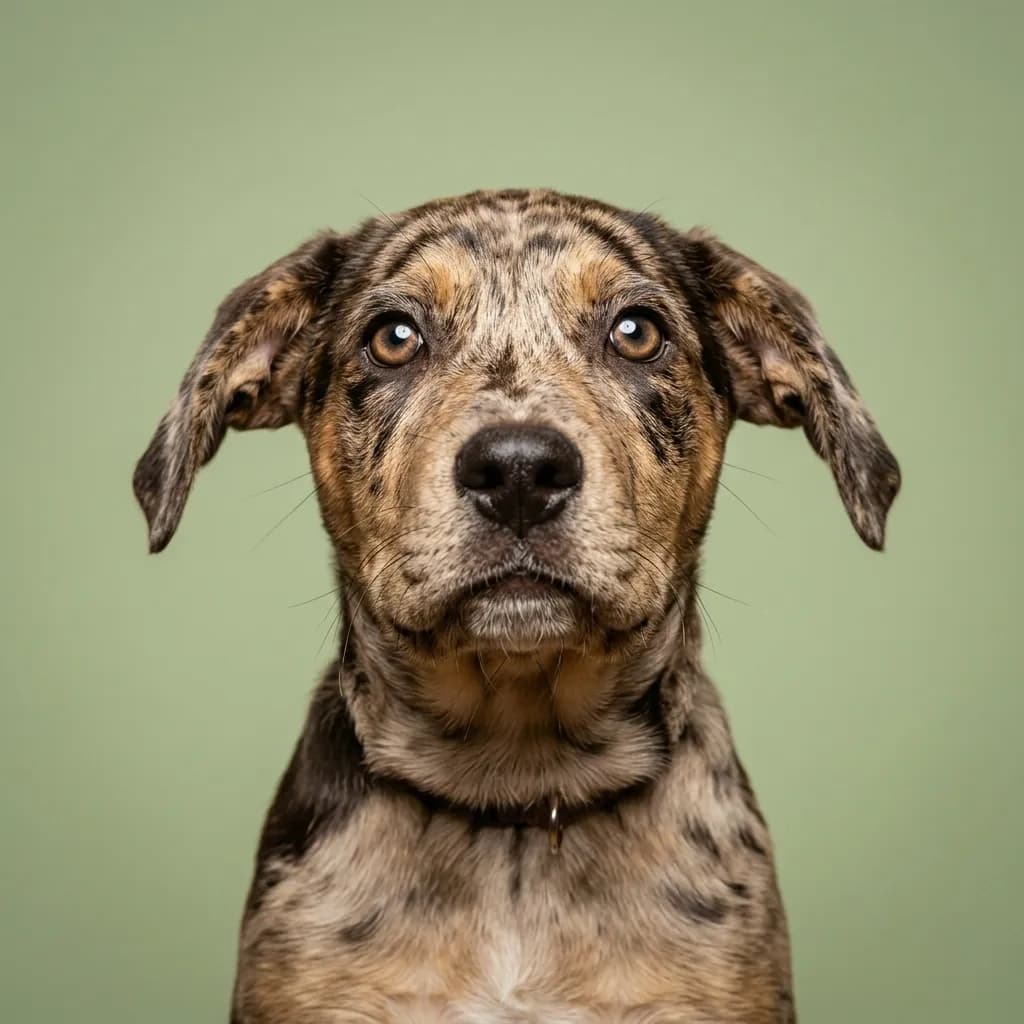
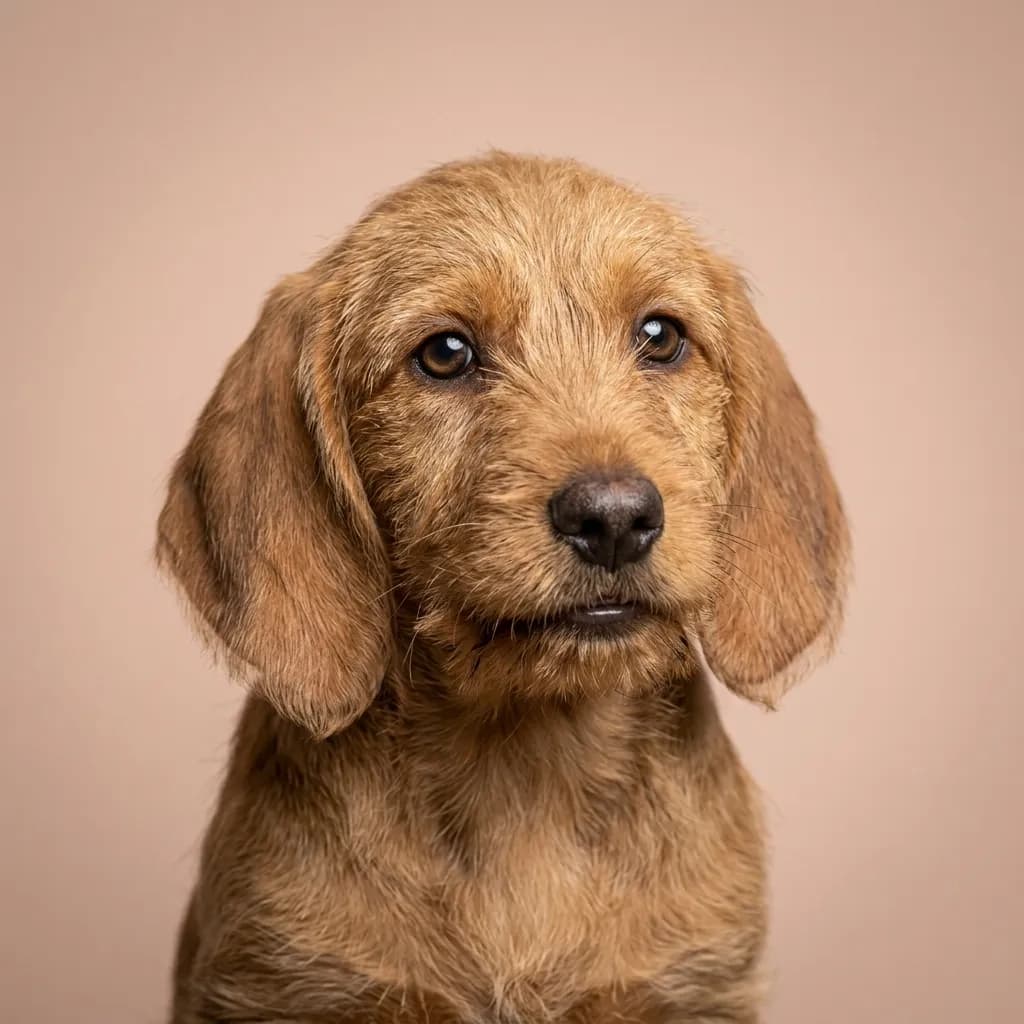
People compare the American Leopard Hound and the Basset Fauve de Bretagne because they’re both rare, energetic hounds with scruffy coats and a nose for adventure. On paper, they seem similar. friendly with kids, high energy, built for hunting. But live with either, and you’ll quickly realize they’re built for entirely different kinds of lives. The American Leopard Hound is a rangy powerhouse, bred to cover miles of rough terrain, treeing raccoons and bobcats across the southern U.S. At 21 to 27 inches tall and up to 70 pounds, this dog needs space. acres, not yards. You can’t just let it run off-leash either. That drive to chase is deep and relentless. It’s loyal, affectionate, and great with kids, but it won’t thrive anywhere without daily physical and mental work. Skip a walk and you’ll come home to a dismantled fence or a very confused neighbor’s chicken. The Basset Fauve, meanwhile, is a compact, cheerful dynamo from France, standing under 16 inches and rarely topping 35 pounds. Don’t let the size fool you. this dog is loud, barking at everything from squirrels to falling leaves, and it’s built to plunge headfirst into thickets. It adapts better to suburban life than the Leopard Hound, but don’t think it’s a couch dog. It needs activity, and its bark will test thin walls. Here’s the real talk: if you’re choosing between these two, you’re probably drawn to their hunting grit and family-friendly nature. But the American Leopard Hound demands a rural lifestyle. it’s not just ideal, it’s necessary. The Basset Fauve can squeeze into a smaller property, but you’ll pay more for it, both in price and noise complaints. The insight no breeder will lead with? Both are stubborn in training, but the Basset Fauve’s bark is far more likely to end a lease.
Trait-by-trait
Higher bar = more of that trait. Shedding, barking, drooling, grooming flipped for readability.Where they diverge
Choose the American Leopard Hound if…
- hunters
- active rural families
- experienced hound owners
Choose the Basset Fauve de Bretagne if…
- Families
- Active people
- Suburban homes
- You value good with other dogs — Basset Fauve de Bretagne scores higher here.