American Leopard Hound
A rugged, capable hunting dog that's more at home tracking game through dense timber than lounging on a couch. Sociable and smart, but wired for serious work — needs a job, a yard, and ideally a hunting partner. One of the older American breeds, still largely unknown outside hunting circles.

Free weekly training plan, specific to your American Leopard Hound’s age. Exactly what to focus on this week.
Get your free training planLiving with a American Leopard Hound
The American Leopard Hound isn’t a flashy name, but if you’re deep in the woods or own 20 acres in the South, you’ve probably heard of one. Developed in the rugged backcountry of the American Southeast, this breed was built for one job, treeing raccoons, bobcats, and other game in tough terrain. It’s not fancy, it’s not in the AKC main registry yet, but it’s pure function.
These dogs are lean, muscular, and built like athletes, standing 21 to 27 inches tall and weighing between 45 and 70 pounds, depending on the bloodline. Their short, dense coat comes in a mottled leopard pattern that’s as practical as it is striking, low maintenance but not non-shedding. Living with one?
Expect energy. They’re a 4 out of 5 on the zoomies scale, needing serious daily exercise. A backyard and a leash won’t cut it.
They need room to run, trails to explore, and a job to do. Without it, they’ll find their own entertainment, usually involving digging, barking, or chasing squirrels up trees. Speaking of barking: yeah, they’ll vocalize.
It’s in the blood. A 3 out of 5 might sound moderate, but when they’re on a trail, it’s loud and persistent. Trainability is a solid 3 out of 5.
They’re sharp and learn fast, but they’re also independent thinkers. Don’t expect a Golden Retriever’s eagerness. They’ll assess your request before complying.
Grooming is easy, brush them weekly, clean ears regularly (they’re prone to infections), and keep an eye on that sleek coat for signs of skin issues or excessive shedding, which does happen year-round. Health-wise, hip dysplasia and bloat are concerns, especially in deeper-chested lines. Watch their food intake and avoid exercise right after meals.
Eye conditions pop up occasionally, so annual vet checks are non-negotiable. Lifespan is solid. 12 to 15 years, if you manage those risks.
They’re incredible with kids, scoring a 5 out of 5, and deeply affectionate with their family. But they’re not for apartment dwellers or anyone who considers a walk around the block “enough.” They thrive with hunters, rural families, and owners who already know hound quirks. Here’s the under-the-radar truth: the American Leopard Hound doesn’t just need space, it needs purpose.
A bored one is worse than loud or destructive. It’s bored. And a bored hound with intelligence and stamina is a recipe for chaos.
Get one only if you’re ready to work with it, not just own it.
14 traits, at a glance.
Every breed on PuppyBase is rated across the 14 trait dimensions the American Kennel Club publishes — from trainability to drooling level. The higher the score, the better the fit for that trait.
What to expect day-to-day
Things to screen for
- Bloat (GDV)
- Ear infections
- Hip dysplasia
- eye conditions
See a full price breakdown — first-year costs, lifetime estimate, breeder vs. adoption.
Full price guideSimilar breeds
Browse all 200+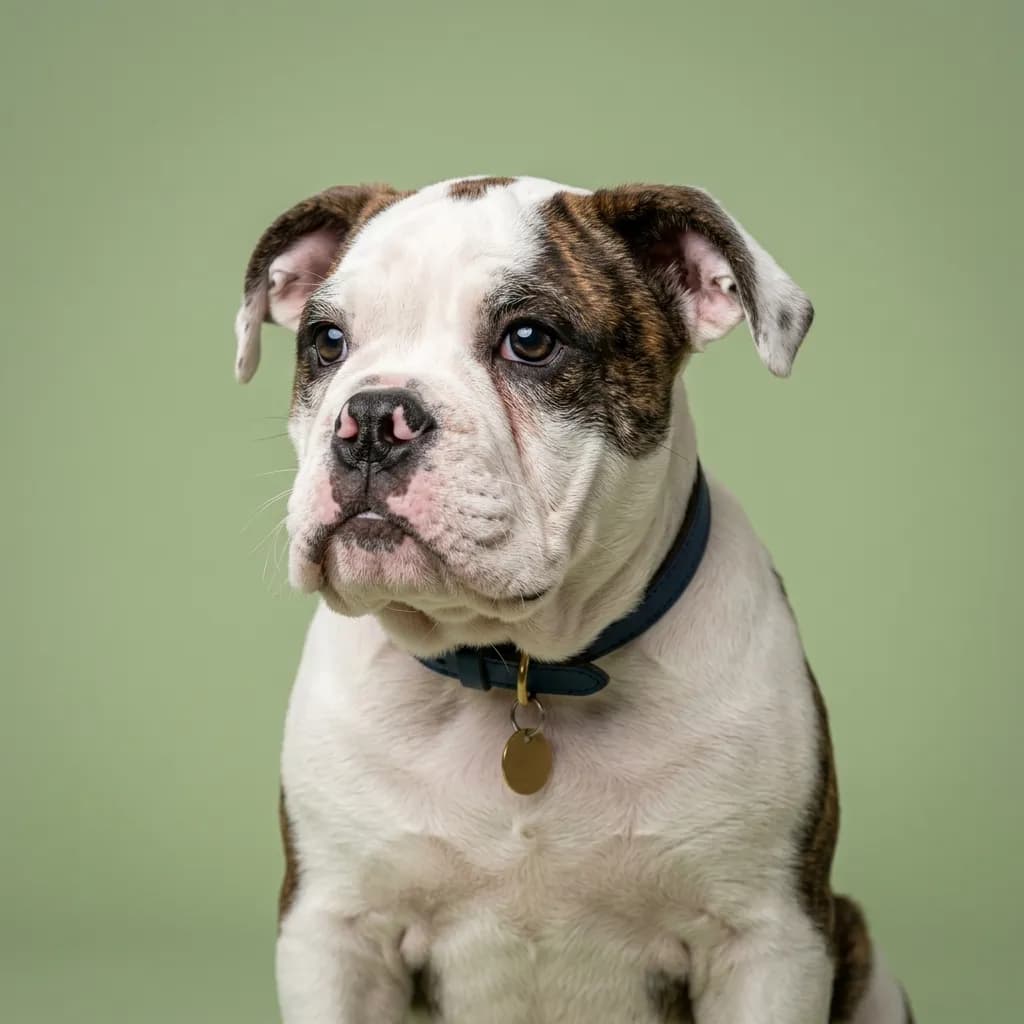

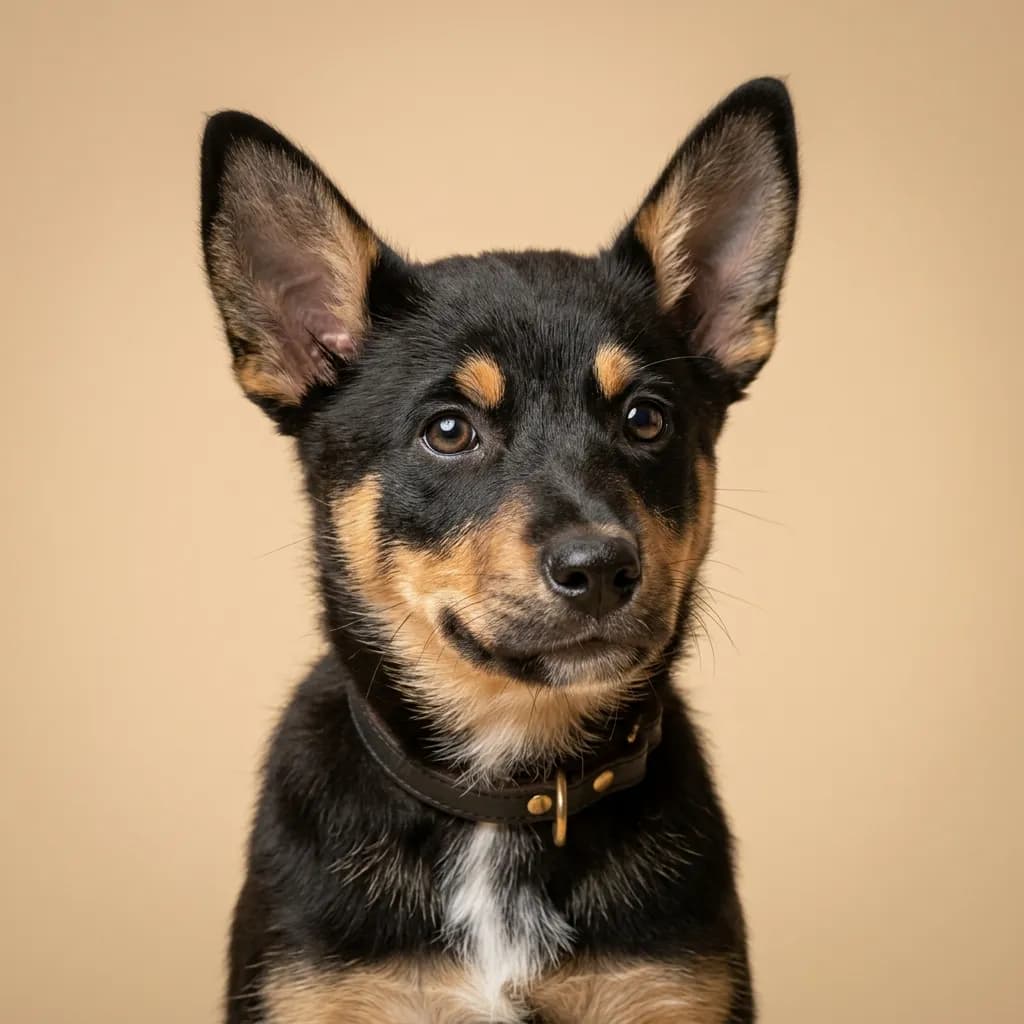
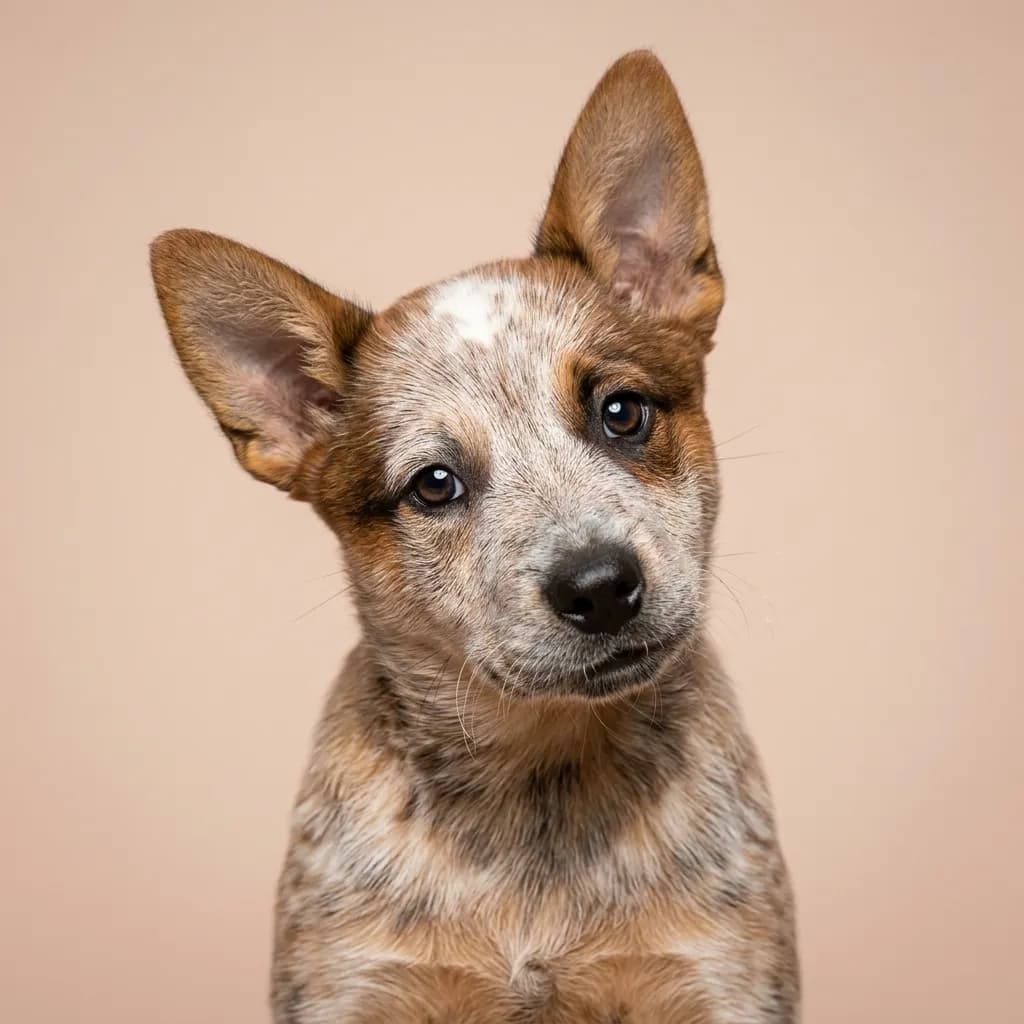
Common questions
How long do American Leopard Hounds live?
American Leopard Hounds typically live 12 to 15 years, which is a solid lifespan for a dog of their size. With proper care and regular vet checkups, they can enjoy a long, active life in the field or at home.
How much does a American Leopard Hound puppy cost?
A American Leopard Hound puppy usually costs between $800 and $2,500, with an average price around $1,500. Prices vary based on bloodlines, breeder reputation, and whether the pup is bred for hunting performance.
How much do American Leopard Hounds shed?
American Leopard Hounds shed moderately year-round. Their short, smooth coat doesn’t require much upkeep, but you’ll still find some hair on your clothes and furniture, especially during seasonal changes.
What colors do American Leopard Hounds come in?
They come in a range of colors including yellow, brindle, black, blue, red, mouse gray, and distinctive leopard patterns. The spotted coats are eye-catching, but all color variations are functional in the field.
How big do American Leopard Hounds get?
These dogs stand 21 to 27 inches tall and weigh between 45 and 70 pounds, making them medium to large working hounds. They’re athletic and muscular, built for stamina and speed in rough terrain.
Are American Leopard Hounds smart?
Yes, American Leopard Hounds are intelligent and quick to learn when motivated. They were bred to make independent decisions while tracking, so they’re problem-solvers who need consistent, engaging training.
Are American Leopard Hounds hypoallergenic?
No, American Leopard Hounds are not hypoallergenic. They shed moderately and produce dander, so they’re not a good choice for people with allergies.
Are American Leopard Hounds aggressive?
No, American Leopard Hounds are not aggressive by nature. They’re sociable with people and generally get along with other dogs, though they can be reserved around strangers and driven by prey instinct.
What health problems are common in American Leopard Hounds?
Common health concerns include hip dysplasia, ear infections, eye conditions, and bloat. Regular vet care, proper diet, and avoiding exercise right after meals help reduce risks.
Do American Leopard Hounds bark a lot?
They bark moderately, but they’re more likely to bay or howl when on the trail. Their voice is part of their hunting toolkit, so expect some vocalization, especially if stimulated.
Are American Leopard Hounds easy to train?
They’re moderately easy to train if you’re experienced with hounds. They respond well to positive reinforcement but can be independent-minded, so consistency and early socialization are key.
Are American Leopard Hounds good family dogs?
They can be great family dogs for active households, especially those in rural areas. They’re very good with children and affectionate with their people, but need serious exercise and mental challenges.
Are American Leopard Hounds good with cats?
Generally not, due to their strong prey drive. They’re bred to tree and chase game, so small pets like cats are likely to trigger that instinct, even if raised together.
Are American Leopard Hounds good hunting dogs?
Yes, they’re excellent hunting dogs, specifically bred to tree and track game in tough American terrain. Their stamina, nose, and vocal tracking make them reliable partners for hunters.
Can American Leopard Hounds live in apartments?
No, they’re a poor fit for apartment living. They need space to run, a job to do, and hours of exercise, so they thrive best on large properties or farms with room to roam.
When do American Leopard Hounds calm down?
They stay high-energy well into adulthood and rarely calm down much. Even as adults, they need daily physical and mental challenges to stay content and out of trouble.
Not sure which breed fits your life?
Answer five questions about your home, your schedule, and your tolerance for shedding. We’ll match you to your top three breeds from over 200.