Appenzeller Sennenhund vs Greyhound
Side-by-side comparison across all 14 AKC trait ratings, with a clear verdict on which breed fits which kind of household.
Not sure which breed fits your life?
Answer five questions about your home, your schedule, and your tolerance for shedding. We’ll match you to your top three breeds from over 200.
Appenzeller Sennenhund vs Greyhound
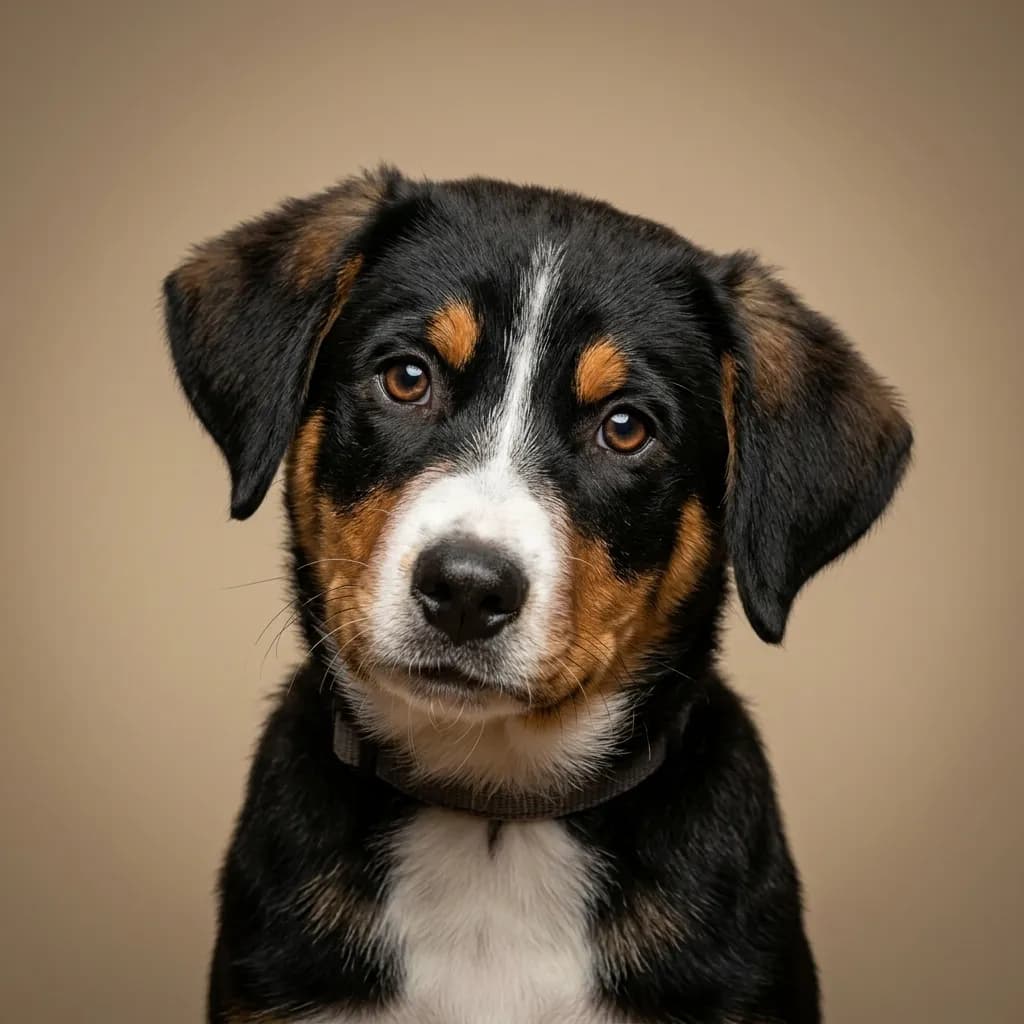
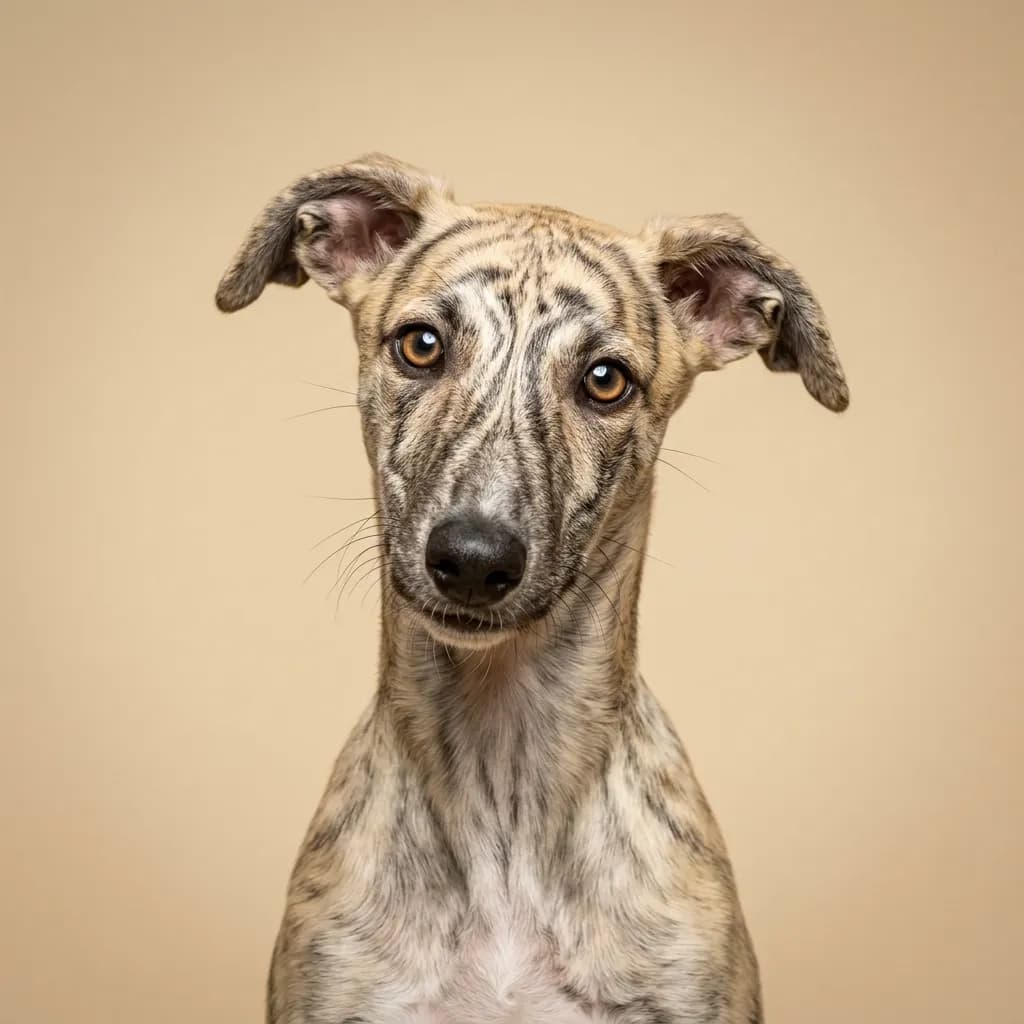
You might wonder why anyone would compare a Swiss farm dog to a sleek racing machine. But both the Appenzeller Sennenhund and the Greyhound end up on lists for active families wanting something outside the Labrador mainstream. That’s usually where the similarities end. The Appenzeller is all compact energy, built for scrambling up alpine slopes and keeping stubborn cows in line. You’ll get a dog that’s sharp, vocal, and always working an angle. This isn’t a couch companion. It thrives with a job, whether that’s agility, hiking, or barn duty. You’ll need time, space, and a tolerance for barking at passing squirrels. It’s affectionate with its people but not easily impressed. First-time owners often get outsmarted. The Greyhound, meanwhile, looks like a statue most of the time. It’s not lazy. it can hit 45 mph in seconds. but it also naps 18 hours a day. That makes it shockingly good in apartments, as long as you provide a daily sprint in a secure area. They’re gentle, sensitive, and deeply attached, but not particularly eager to please. Training requires patience. And while they’re usually great with kids, their prey drive means cats and small dogs are risky. The honest truth? The Appenzeller wants a co-worker. The Greyhound wants a quiet retirement with occasional bursts of speed. Pick the Appenzeller if you want a partner in adventure who happens to live in your house. Pick the Greyhound if you want a noble, low-shedding couch shadow who once won races but now just wants your lap. One’s a Swiss army knife with fur. The other’s a retired athlete who paid off its student loans early.
Trait-by-trait
Higher bar = more of that trait. Shedding, barking, drooling, grooming flipped for readability.Where they diverge
Choose the Appenzeller Sennenhund if…
- active families
- experienced owners
- rural and farm settings
- You value shedding level — Appenzeller Sennenhund scores noticeably higher.
Choose the Greyhound if…
- Apartment dwellers (surprisingly calm indoors)
- Adoption-minded owners (many ex-racers)
- Low-maintenance coat owners
- You value good with other dogs — Greyhound scores higher here.