Appenzeller Sennenhund
The most energetic of the Swiss mountain dogs, bred to work dawn to dusk in the Alps and still ready for more. Agile, intelligent, and deeply loyal, but this is not a dog that settles into apartment life — it needs a task, a farm, or at minimum a very committed owner. Relatively rare outside Switzerland.
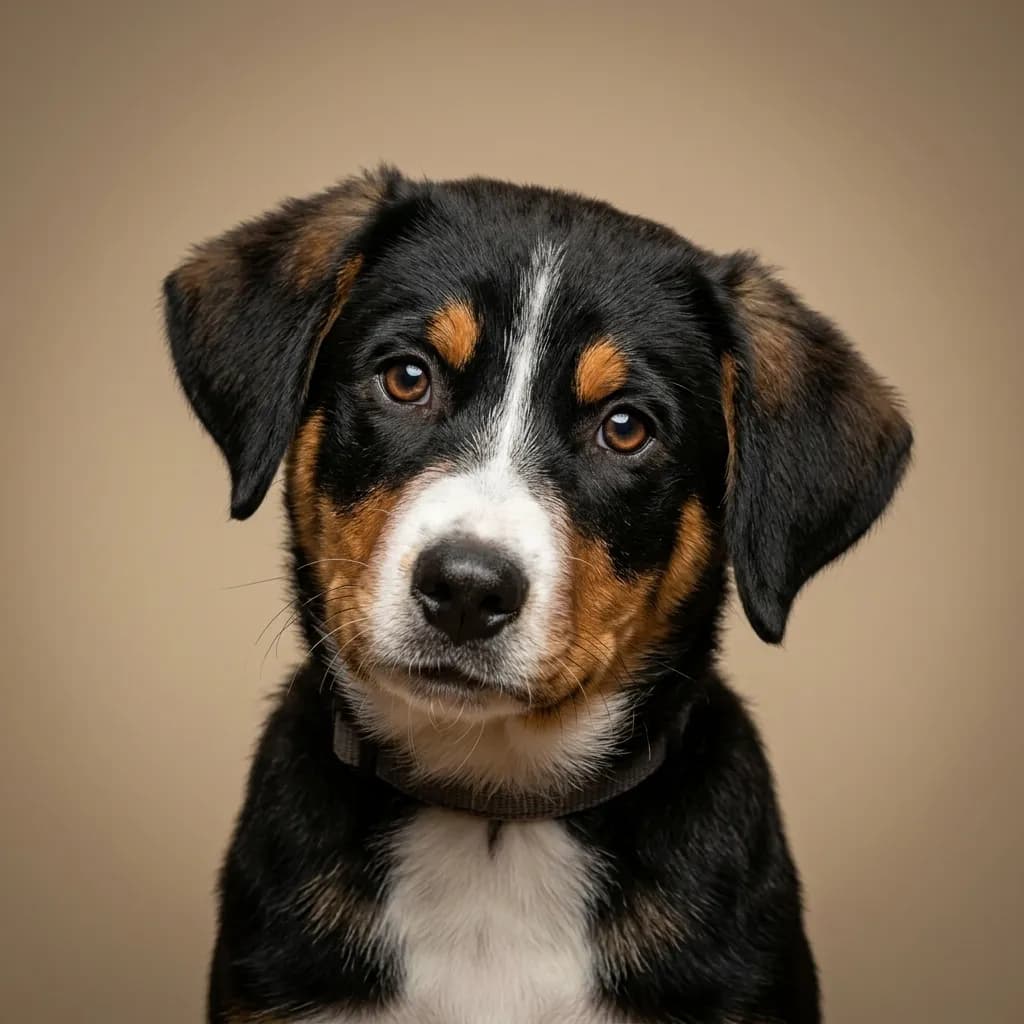
Free weekly training plan, specific to your Appenzeller Sennenhund’s age. Exactly what to focus on this week.
Get your free training planLiving with a Appenzeller Sennenhund
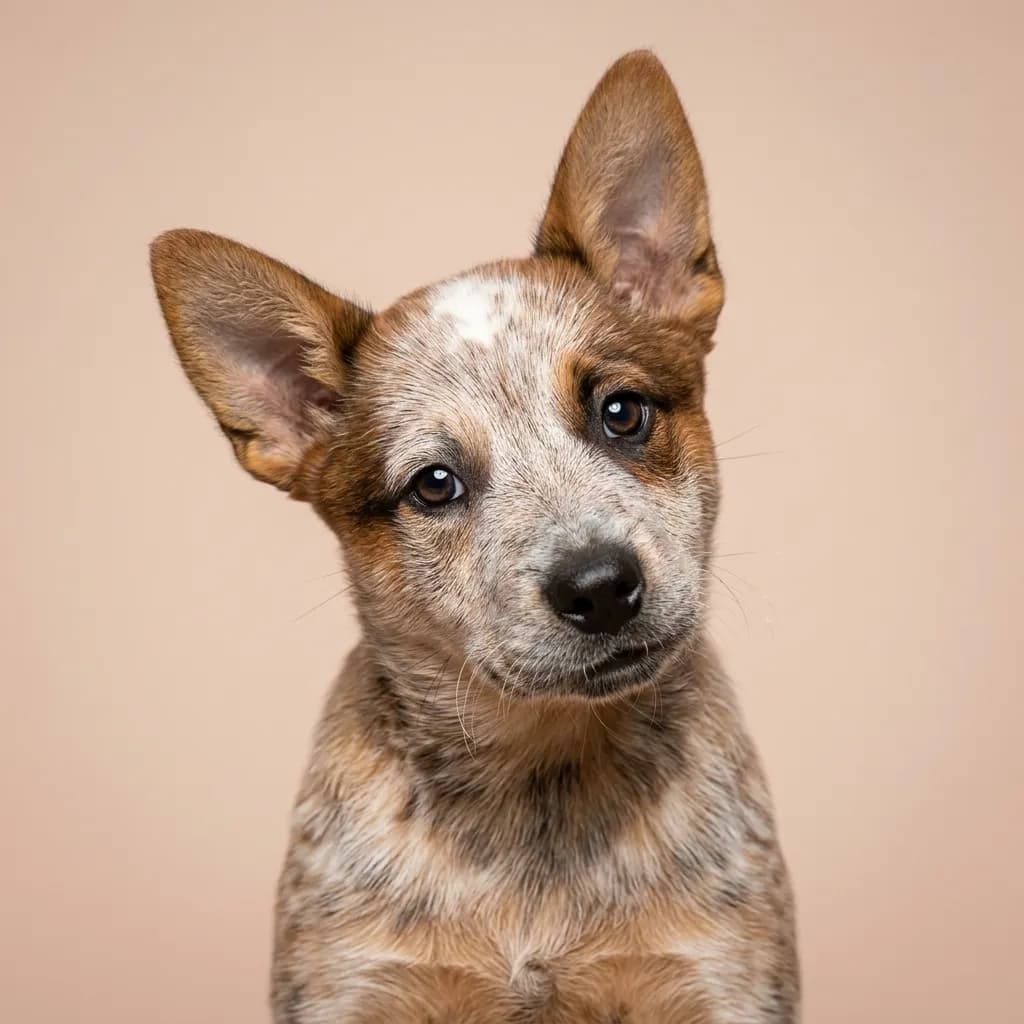
The Appenzeller Sennenhund is one of those rare breeds that flies under the radar in the U.S, but has been working the steep pastures of Switzerland for centuries. Part of the original Sennenhund quartet, these dogs were built to herd cattle and haul carts through rugged alpine terrain, and that legacy shows in every wiry muscle and alert expression. They’re not in the AKC mainstream yet, they’re in the Foundation Stock Service, but if you’re lucky enough to meet one, you’ll see a compact, tri-colored dog with a proud stance and a tail that curls just slightly over the back.
They weigh between 48 and 70 pounds and stand 19 to 22 inches tall, making them medium-sized but deceptively strong. Living with an Appenzeller is like living with a high-performance vehicle that needs regular tuning. They’re agile and lively, always aware of their surroundings, and they bond tightly with their people, rating a solid 4 out of 5 for affection.
But don’t mistake that devotion for couch-potato tendencies. These dogs need real work, whether it’s hiking, agility, or advanced obedience. Their energy level is 3 out of 5, but that’s misleading if you think that means casual walks will suffice.
They thrive on mental stimulation as much as physical exercise, and without it, they’ll find their own job, usually involving barking (4 out of 5) or dismantling your shoe collection. Grooming is manageable, moderate shedding means weekly brushing most of the year, with heavier seasonal blowouts. But here’s the real talk: this isn’t a breed for novices or the inactive.
They’re only a 3 out of 5 for adaptability and good with kids, mostly because they’re intense and fast-moving, which can overwhelm younger children. They do best with experienced owners who understand canine drive and can provide structure. Health-wise, watch for hip dysplasia, eye issues, bloat, and urinary stones.
A good breeder will screen for these, and you’ll likely pay between $1,000 and $3,000. My take? Most people think herding dogs just need exercise.
With Appenzellers, it’s not miles, it’s purpose. They don’t want to run laps. They want to do something with you.
If you can’t give them a job, they’ll invent one, and you probably won’t like it.
14 traits, at a glance.
Every breed on PuppyBase is rated across the 14 trait dimensions the American Kennel Club publishes — from trainability to drooling level. The higher the score, the better the fit for that trait.
What to expect day-to-day
Things to screen for
- eye conditions
- Bloat (GDV)
- Hip dysplasia
- Urinary stones
See a full price breakdown — first-year costs, lifetime estimate, breeder vs. adoption.
Full price guideSimilar breeds
Browse all 200+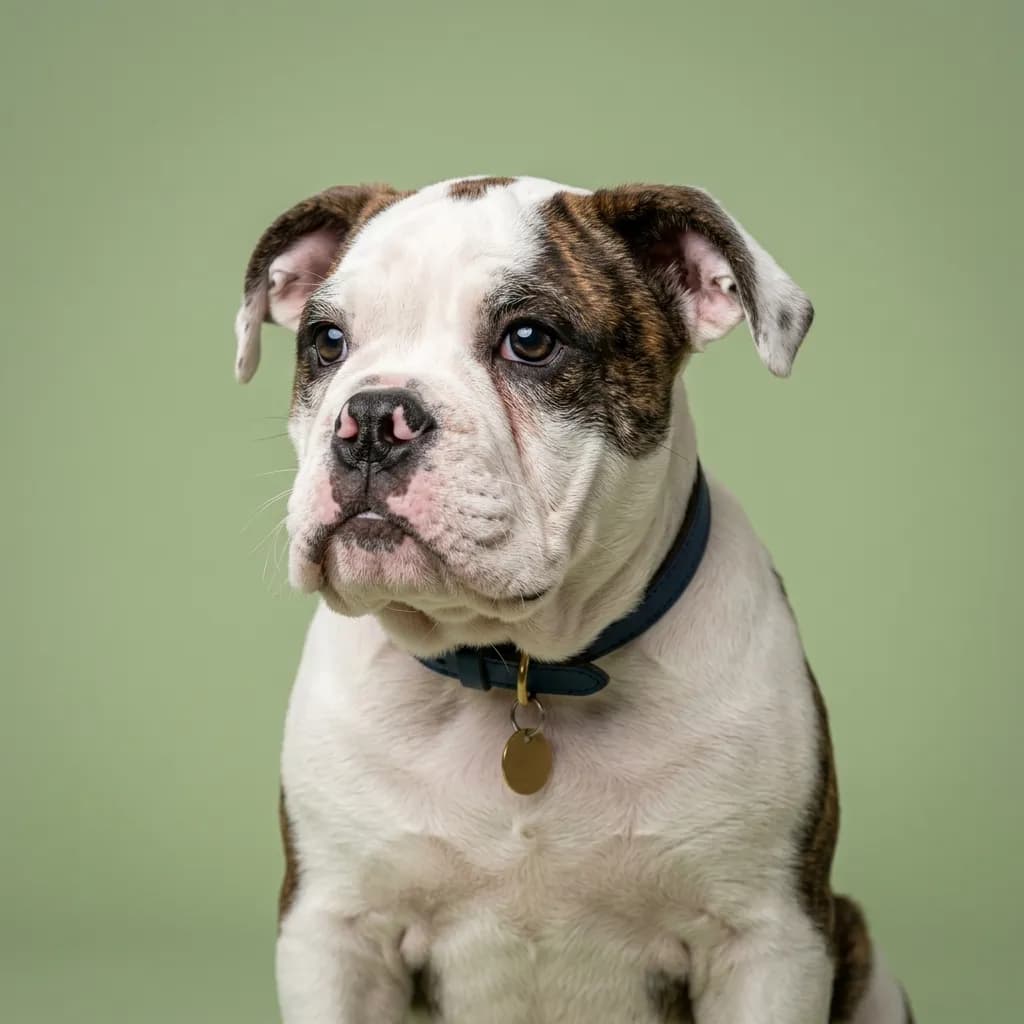
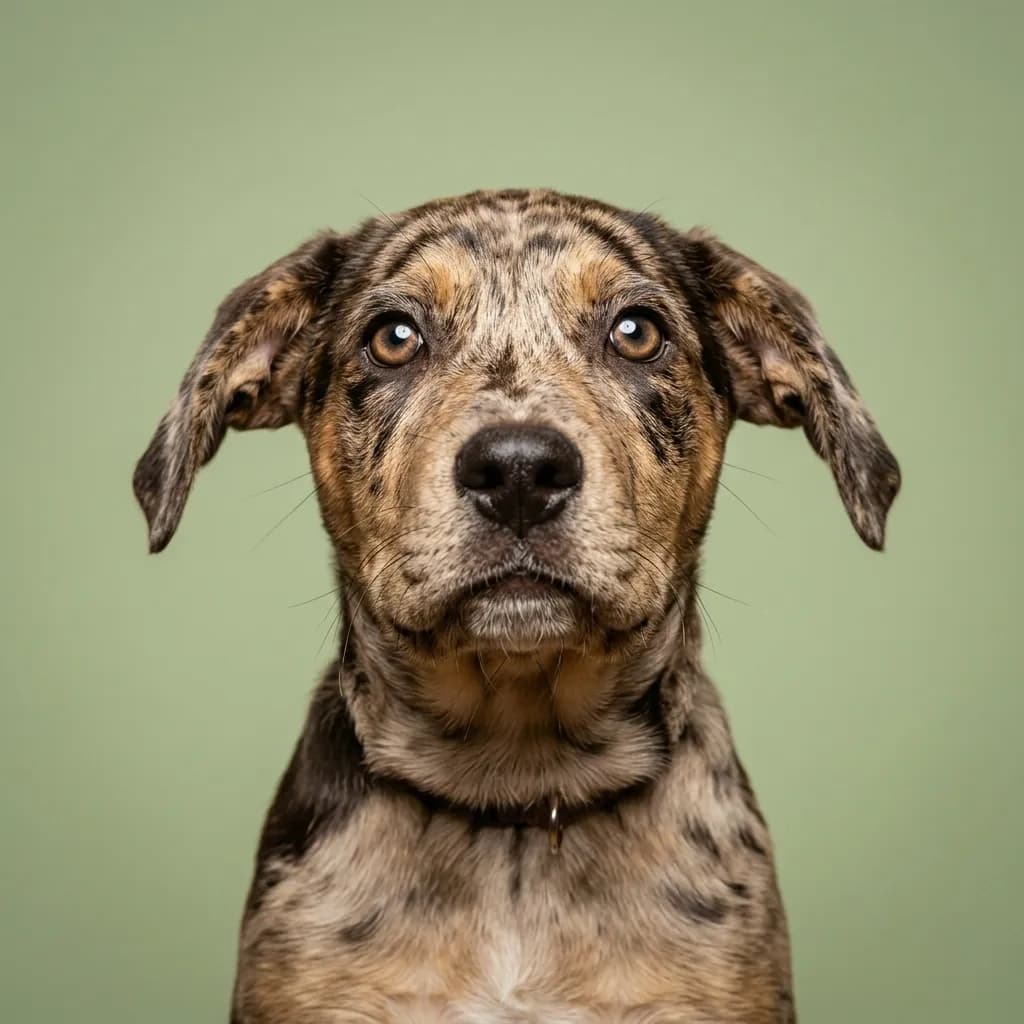
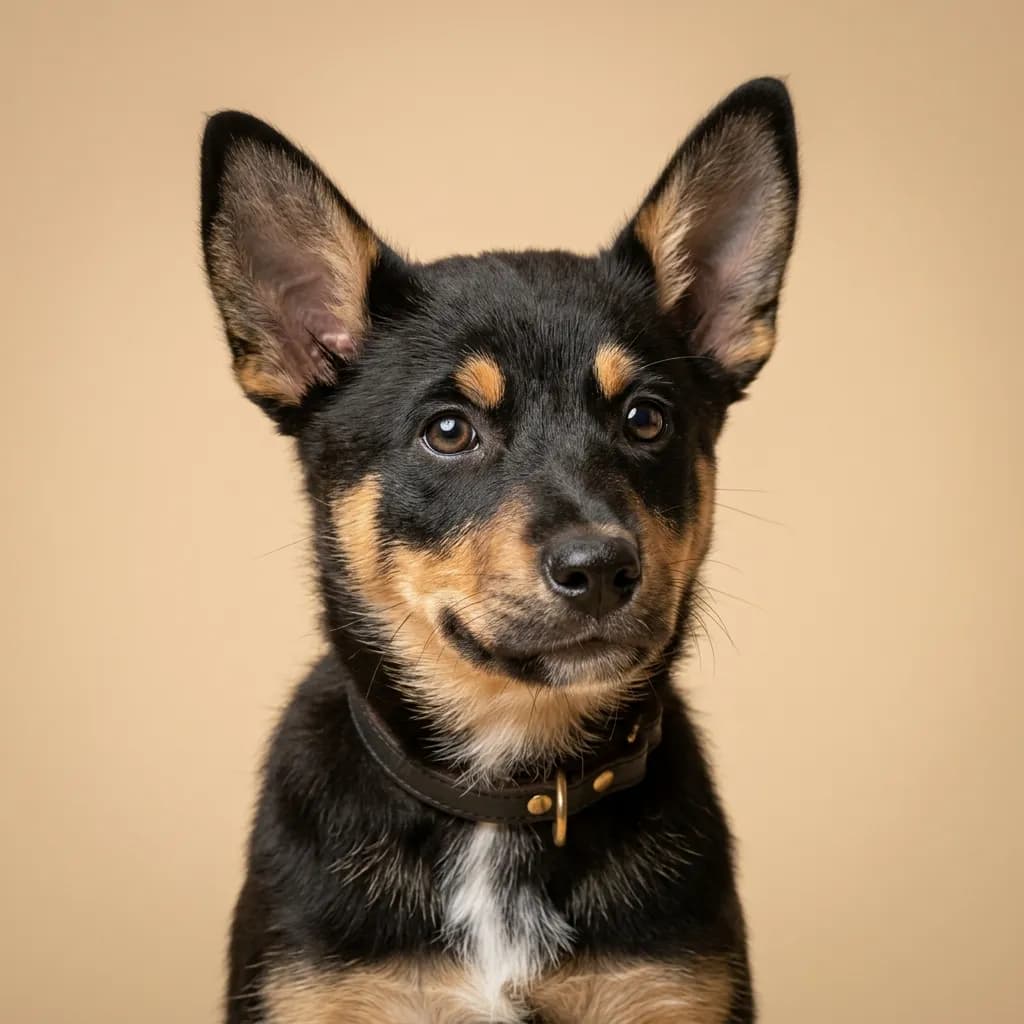
Common questions
How long do Appenzeller Sennenhunds live?
Appenzeller Sennenhunds typically live between 12 and 15 years, which is a solid lifespan for a dog of their size. With proper care, regular vet checkups, and a healthy lifestyle, many reach the upper end of that range.
How much does a Appenzeller Sennenhund puppy cost?
You can expect to pay between $1,500 and $3,500 for an Appenzeller Sennenhund puppy, with most reputable breeders averaging around $2,500. Their high price reflects their rarity, working lineage, and the costs of ethical breeding.
How much do Appenzeller Sennenhunds shed?
Appenzeller Sennenhunds shed moderately year-round, with heavier shedding during seasonal changes. Regular brushing helps manage loose hair, especially since they have a dense double coat.
What colors do Appenzeller Sennenhunds come in?
They come in two distinct tricolor patterns: black with tan and white markings, or havana brown with tan and white. Both variations have the striking, classic look of the Swiss mountain dogs.
How big do Appenzeller Sennenhunds get?
They stand between 19 and 22 inches tall at the shoulder and weigh between 48 and 70 pounds, with males generally larger than females. They’re medium-sized but solidly built, built for endurance and strength.
Are Appenzeller Sennenhunds smart?
Yes, they’re highly intelligent and quick to learn, which makes them excellent in dog sports and advanced training. But that sharp mind means they need consistent mental challenges or they’ll find their own ways to stay busy—often destructive ones.
Are Appenzeller Sennenhunds hypoallergenic?
No, Appenzeller Sennenhunds are not hypoallergenic. They shed regularly and produce dander, so they’re not a good fit for people with allergies.
Are Appenzeller Sennenhunds aggressive?
They’re not inherently aggressive, but they’re alert and reserved with strangers, which can come off as intense. Early socialization is key to prevent overprotectiveness or wariness around unfamiliar people and dogs.
What health problems are common in Appenzeller Sennenhunds?
Common issues include hip dysplasia, eye conditions, bloat, and urinary stones. Responsible breeders screen for these, but owners should stay vigilant, especially with bloat, which can be life-threatening.
Do Appenzeller Sennenhunds bark a lot?
Yes, they’re vocal dogs and tend to bark frequently, especially when alerting or bored. Their high barking tendency stems from their history as farm watchdogs and herders.
Are Appenzeller Sennenhunds easy to train?
They’re moderately easy to train due to their intelligence and work drive, but they need an experienced hand. They respond best to consistent, positive methods and don’t tolerate heavy-handed or inconsistent training.
Are Appenzeller Sennenhunds good family dogs?
They can be good with families, especially active ones who can meet their exercise and mental needs. They’re loyal and affectionate with their people but better suited to homes with older children due to their energy and intensity.
Are Appenzeller Sennenhunds good with cats?
They can coexist with cats, especially if raised together, but their herding drive may kick in with fast-moving pets. Supervision and early introduction are important to prevent chasing or nipping.
Can Appenzeller Sennenhunds live in apartments?
No, they’re a poor fit for apartment living. They need space, a job to do, and hours of daily activity—without it, they become destructive and stressed.
Are Appenzeller Sennenhunds good guard dogs?
They make capable watchdogs because they’re alert, vocal, and protective of their family and territory. While not guard dogs in the attack sense, their presence and bark are strong deterrents.
How much exercise does an Appenzeller Sennenhund need?
They need at least 60 to 90 minutes of intense exercise daily, plus mental challenges like agility, obedience, or herding trials. A simple walk won’t cut it—this breed thrives on purposeful work and activity.
Not sure which breed fits your life?
Answer five questions about your home, your schedule, and your tolerance for shedding. We’ll match you to your top three breeds from over 200.