Appenzeller Sennenhund vs Jindo
Side-by-side comparison across all 14 AKC trait ratings, with a clear verdict on which breed fits which kind of household.
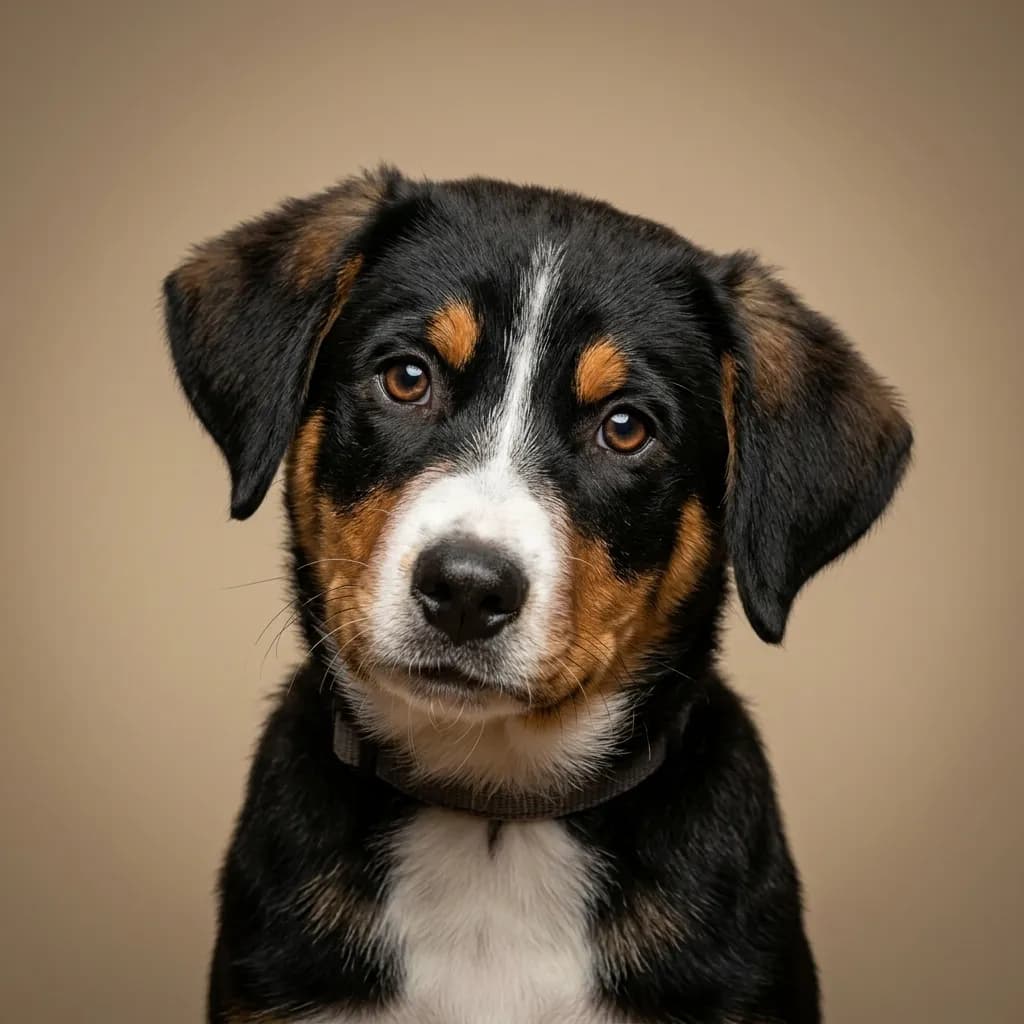
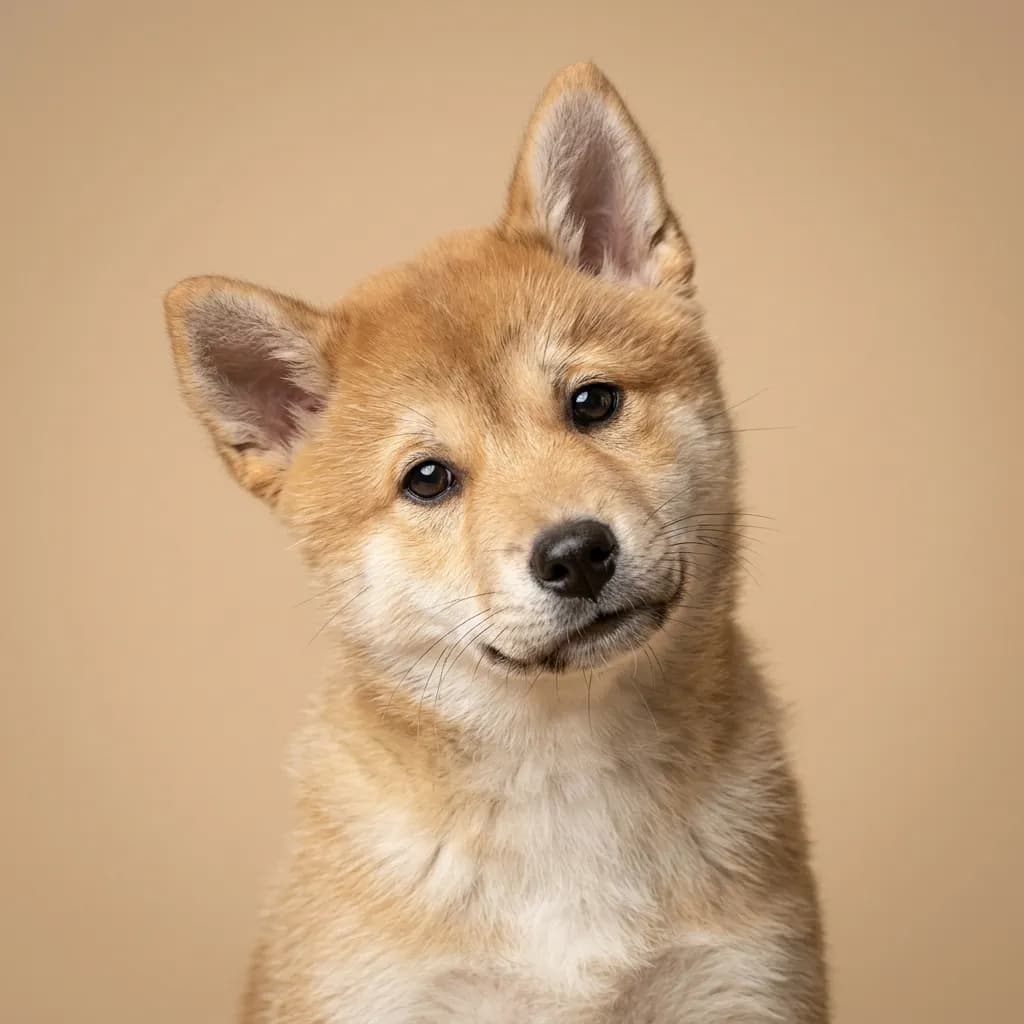
Not sure which breed fits your life?
Answer five questions about your home, your schedule, and your tolerance for shedding. We’ll match you to your top three breeds from over 200.
Appenzeller Sennenhund vs Jindo
People often compare the Appenzeller Sennenhund and the Jindo because both are medium-sized, active, rare breeds with a strong presence and independent streaks. They look vaguely similar at a glance. athletic, alert, and built for work. but that’s where the similarities fade. Choosing between them isn’t just about preference. It’s about lifestyle, experience, and what kind of partnership you want. The Appenzeller is a Swiss farm dog through and through. He’s the one trotting beside you in the morning frost, keeping the chickens in line and then joining you for a 10-mile hike. He’s lively, affectionate with his people, and thrives on variety. He’ll do well in dog sports and responds to consistent training, but he won’t follow commands blindly. He’s got opinions. You’ll need to earn his cooperation. The Jindo is different. More reserved, more intense. Bred to hunt solo on rugged Korean islands, he’s deeply loyal but on his own terms. He’s not looking to please you. he’s looking to assess you. That makes him brilliant but challenging. He bonds fiercely with one or two people and can be aloof with strangers, even kids. And if a squirrel darts across the yard? Good luck calling him back. Jindos are escape artists with a strong prey drive. Here’s the real insight: The Appenzeller wants to be part of your team. The Jindo wants to be your equal. That subtle difference defines everything. If you’re active, experienced, and want a dog who’s engaged and affectionate but busy, go Appenzeller. If you’re a seasoned handler ready for a deep, complex bond and don’t mind a little independence, the Jindo might just own your heart. on his terms.
Trait-by-trait
Higher bar = more of that trait. Shedding, barking, drooling, grooming flipped for readability.Where they diverge
Choose the Appenzeller Sennenhund if…
- active families
- experienced owners
- rural and farm settings
- You value affectionate w/ family — Appenzeller Sennenhund scores noticeably higher.
Choose the Jindo if…
- Experienced dog owners
- Active individuals
- Families with older children
- You value watchdog / protective — Jindo scores higher here.