Appenzeller Sennenhund vs Mudi
Side-by-side comparison across all 14 AKC trait ratings, with a clear verdict on which breed fits which kind of household.
Not sure which breed fits your life?
Answer five questions about your home, your schedule, and your tolerance for shedding. We’ll match you to your top three breeds from over 200.
Appenzeller Sennenhund vs Mudi
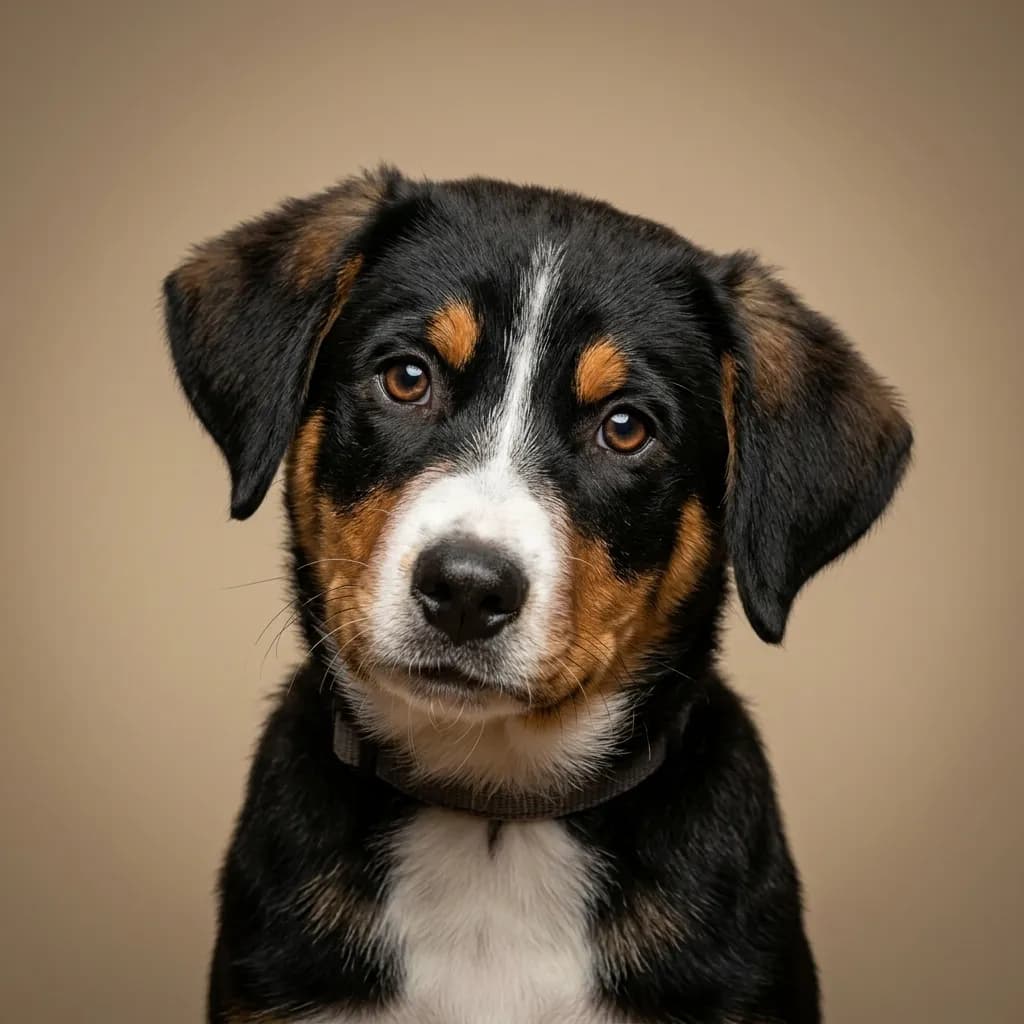
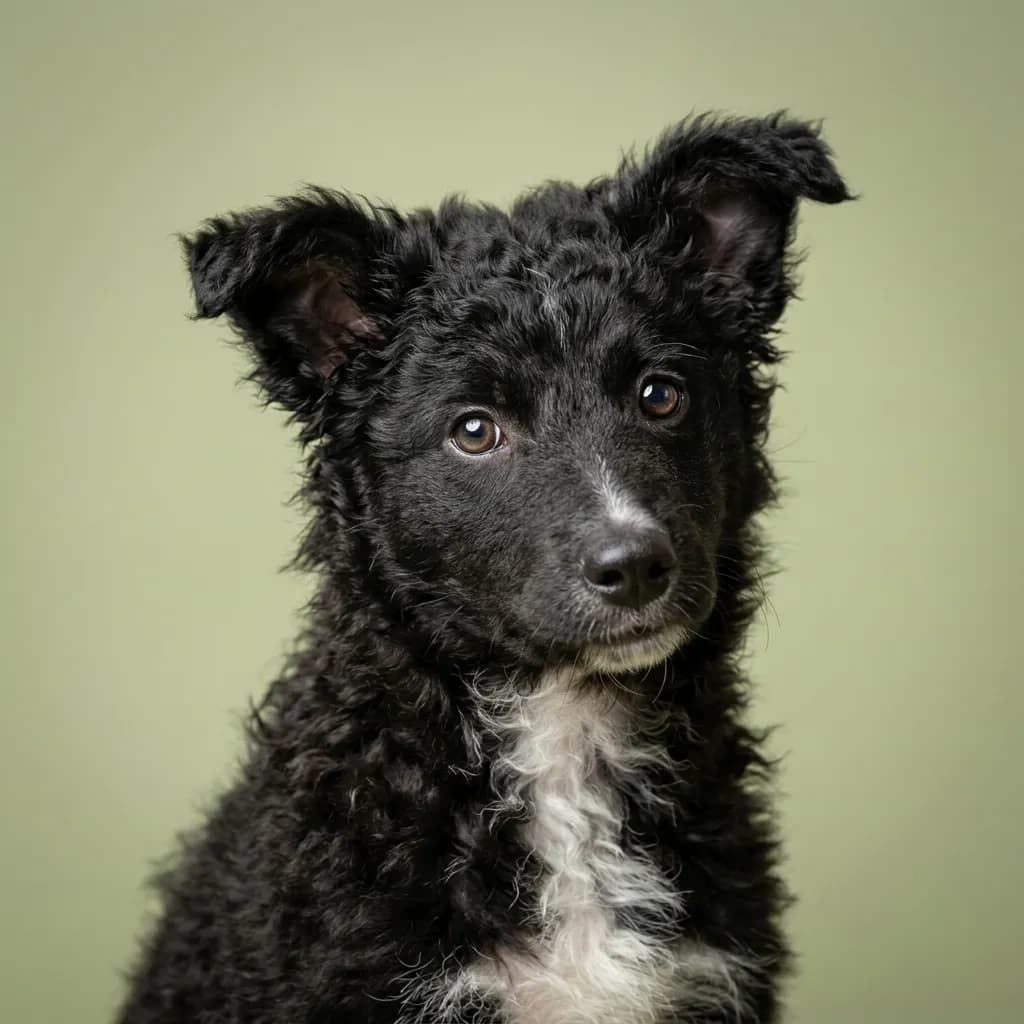
You don’t see people comparing Appenzellers and Mudies at dog parks. because chances are, you haven’t seen either breed at your dog park. But if you’re deep into herding dogs and you’re torn between these two rare, high-drive breeds, you’re probably looking for a partner in motion, not just a pet. Both are whip-smart, vocal, and happiest when working or problem-solving. But that’s where the similarities tighten like a leash. The Appenzeller Sennenhund is the more substantial dog, built for the Swiss Alps. stocky, powerful, with a presence that says “I can pull a cart all day and still herd your cows.” They’re energetic but measured, with a 3/5 trainability that hints at their occasional stubborn streak. They’ll bond tightly with their people and stay alert and affectionate, but they need space and purpose. A suburban backyard won’t cut it unless you’re running agility drills daily. The Mudi, on the other hand, is like a coiled spring in a 25-pound frame. From Hungary’s pastures, not the Alps, this dog lives at 110%. energy 5/5, mental stimulation 5/5, trainability off the charts. They’re easier on cleaning thanks to lower shedding, and they adapt slightly better to different living situations. though “slightly” doesn’t mean apartment-friendly. This is a dog that learns tricks in minutes and will reorganize your sock drawer out of boredom. Here’s the real talk: both are terrible for first-time owners, but for different reasons. The Appenzeller tests you with independence; the Mudi tests you with intensity. Pick the Appenzeller if you want a rugged, loyal farmhand with moderate maintenance. Pick the Mudi if you’re ready for a canine genius that needs a job, a sport, or a daily puzzle. or it’ll make one up for itself, probably involving your shoes.
Trait-by-trait
Higher bar = more of that trait. Shedding, barking, drooling, grooming flipped for readability.Where they diverge
Choose the Appenzeller Sennenhund if…
- active families
- experienced owners
- rural and farm settings
- You value shedding level — Appenzeller Sennenhund scores noticeably higher.
Choose the Mudi if…
- Active families
- Experienced herding breed owners
- Dog sport enthusiasts
- You value playfulness — Mudi scores higher here.