Appenzeller Sennenhund vs Plott Hound
Side-by-side comparison across all 14 AKC trait ratings, with a clear verdict on which breed fits which kind of household.
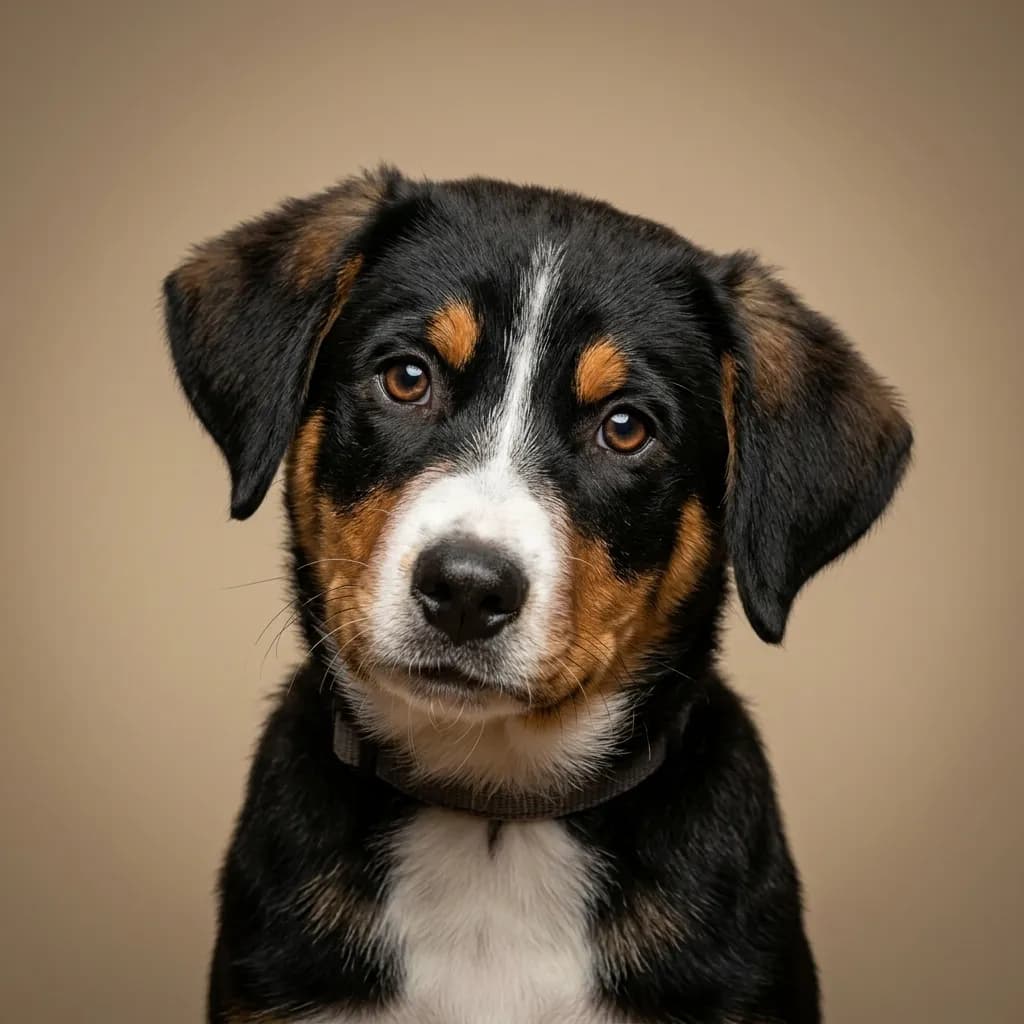
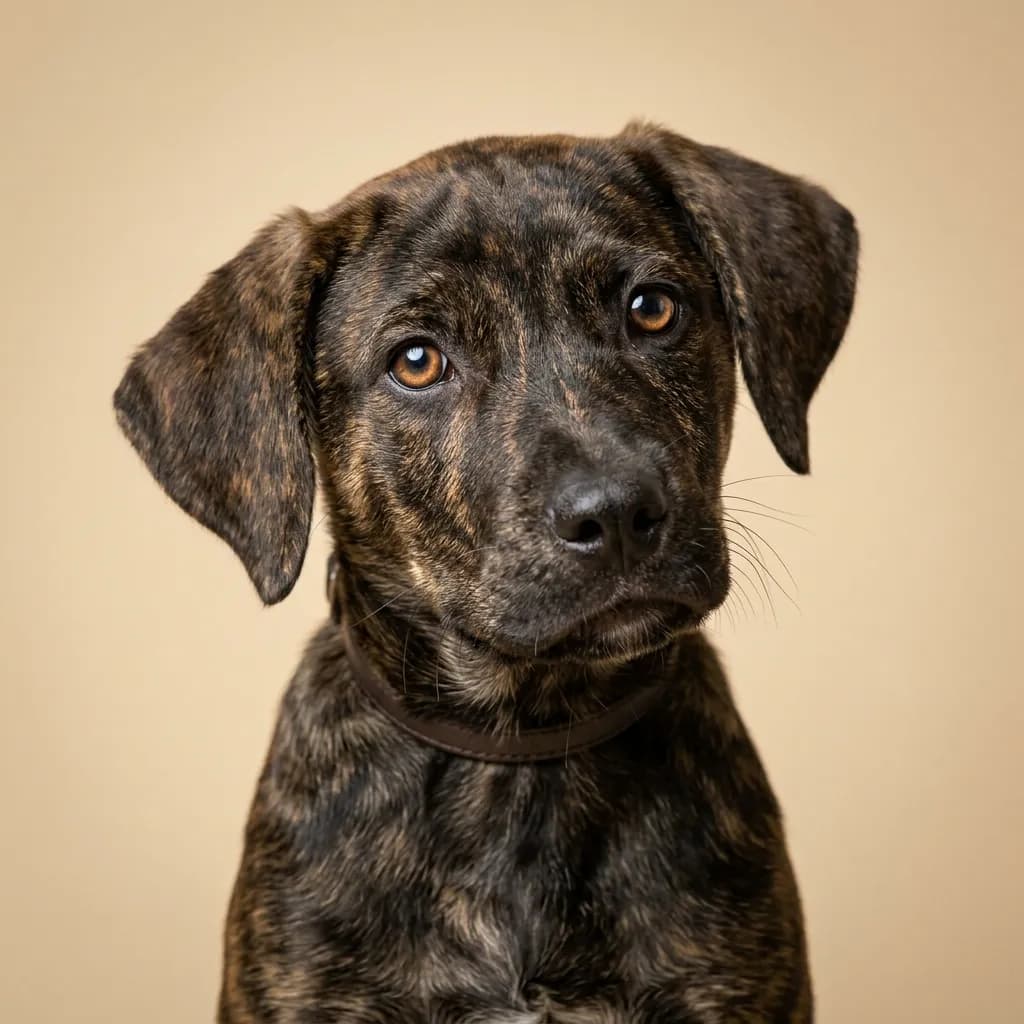
Not sure which breed fits your life?
Answer five questions about your home, your schedule, and your tolerance for shedding. We’ll match you to your top three breeds from over 200.
Appenzeller Sennenhund vs Plott Hound
People compare Appenzeller Sennenhunds and Plott Hounds because both are medium-sized, energetic dogs with strong working backgrounds and a look that stands out in a crowd. But that’s where the similarities mostly end. If you’re torn between them, you’re really choosing between a high-strung Swiss farmhand and a focused, no-nonsense American hunter. The Appenzeller thrives on variety. This dog wants a job, but not just one. it likes agility, herding trials, carting, hiking, even barn hunt. It’s alert and vocal, with that classic hound-like tendency to bark at everything, but it bonds tightly and craves mental puzzles. You’ll need to keep it busy or it’ll invent its own tasks, like redecorating your garden. It’s affectionate but not overly cuddly, and it won’t adapt well to small spaces or lazy weekends. The Plott is different. Calmer in the house, it’s a one-person dog at heart. deeply loyal, quietly intense. Bred to trail dangerous game alone, it’s got nerves of steel and a nose like GPS. It’s less fussy about mental stimulation than the Appenzeller, but don’t mistake that for laziness. It needs miles of trail time, not city sidewalks. And while it sheds less and handles heat better, that floppy ear anatomy means you’ll be cleaning infections more than you’d like. Here’s the real insight: The Appenzeller needs a lifestyle, the Plott needs a mission. Pick the Appenzeller if you’re into dog sports and want a versatile, engaging partner. Pick the Plott if you hunt, backpack, or need a brave, steady companion who’ll follow a scent through a storm. Neither forgives inexperience, but the Plott will forgive a quiet evening. The Appenzeller won’t.
Trait-by-trait
Higher bar = more of that trait. Shedding, barking, drooling, grooming flipped for readability.Where they diverge
Choose the Appenzeller Sennenhund if…
- active families
- experienced owners
- rural and farm settings
- You value shedding level — Appenzeller Sennenhund scores noticeably higher.
Choose the Plott Hound if…
- Hunters
- Active outdoor owners
- Rural settings
- You value good with other dogs — Plott Hound scores higher here.