Appenzeller Sennenhund vs Saint Bernard
Side-by-side comparison across all 14 AKC trait ratings, with a clear verdict on which breed fits which kind of household.
Not sure which breed fits your life?
Answer five questions about your home, your schedule, and your tolerance for shedding. We’ll match you to your top three breeds from over 200.
Appenzeller Sennenhund vs Saint Bernard
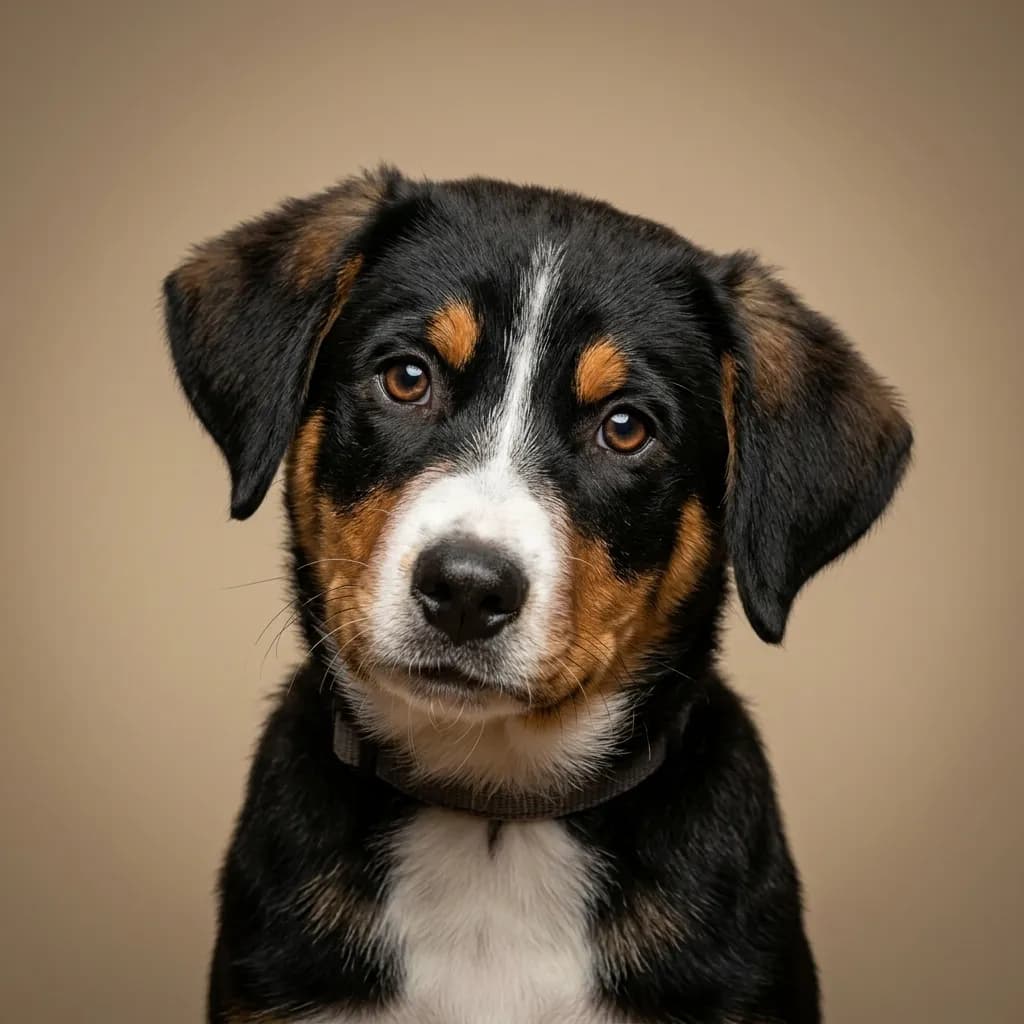
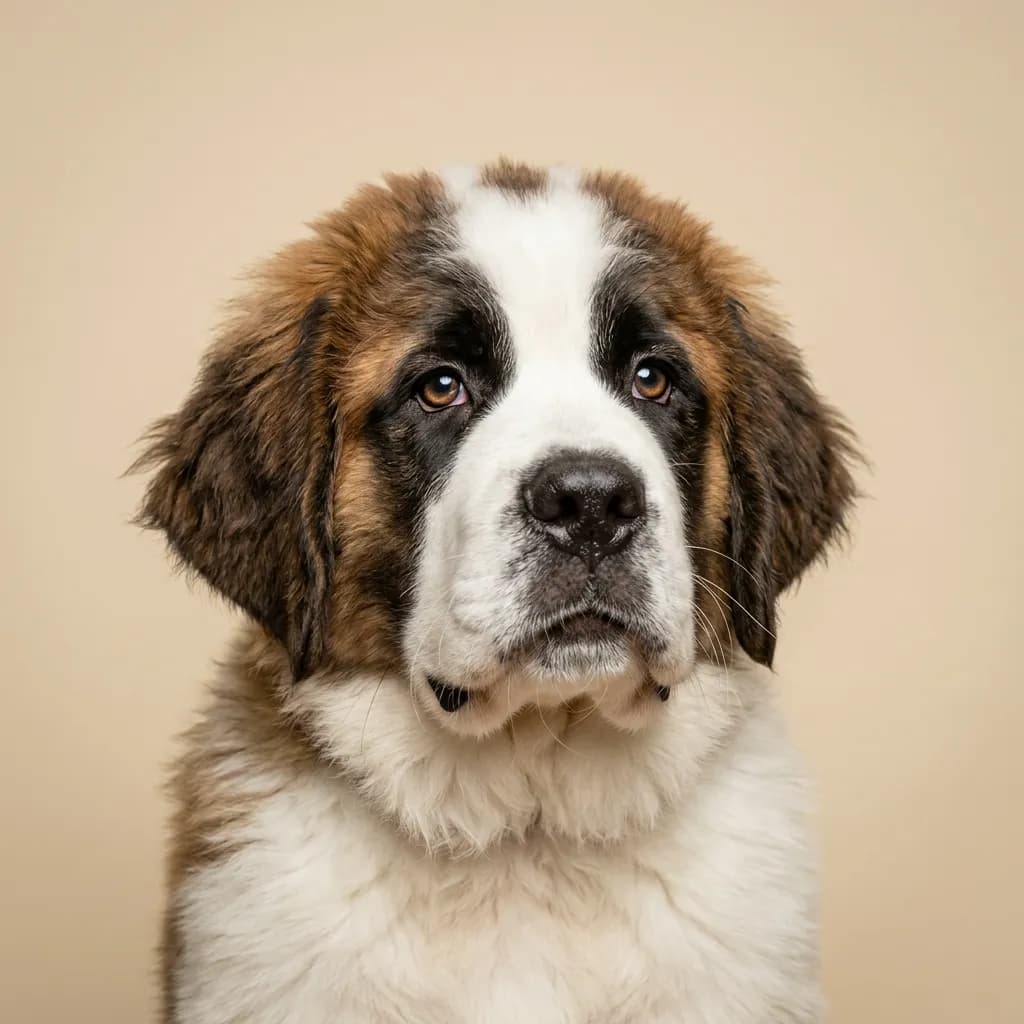
You don’t see Appenzeller Sennenhunds and Saint Bernards squared off very often, but people do compare them. usually because they’re drawn to Swiss mountain dogs and think “big coat, big heart” means they’re similar. They’re not. One’s a wiry, whip-smart farmhand that’ll outwork you by lunchtime. The other’s a velvet-hearted giant who’ll nap on your foot like a furry ottoman. The Appenzeller is the athlete. At 50 to 70 pounds, it’s built for movement. herding, agility, trail runs. It’s alert, vocal, and needs a job. You’ll love its loyalty and spark, but it’s not for couch potatoes. It barks at changes, thrives on mental puzzles, and demands engagement. First-time owners? You’ll be overwhelmed. This dog keeps score. The Saint Bernard is the opposite kind of commitment. At 120 to 180 pounds, it’s a drool machine with a sweet soul. It’s calm indoors, gentle with kids, and surprisingly adaptable. even in suburbs, if you’ve got space. It doesn’t bark much, but it sheds, slobbers, and needs help staying cool. And while it’s affectionate, it’s not as mentally driven. You’ll spend more time cleaning up after it than training it. Health-wise, both can get hip issues and bloat, but the Saint Bernard’s size brings heavier risks. shorter lifespan, heart strain, bone cancer. You’ll likely outlive your Appenzeller by five years. Here’s the real talk: people choose the Saint Bernard for the idea of it. the noble rescuer, the family mascot. But the Appenzeller? You choose it because you need a dog that works with you, not just beside you. One is a legend. The other is a partner. Pick based on which story you’re living.
Trait-by-trait
Higher bar = more of that trait. Shedding, barking, drooling, grooming flipped for readability.Where they diverge
Choose the Appenzeller Sennenhund if…
- active families
- experienced owners
- rural and farm settings
- You value barking level — Appenzeller Sennenhund scores noticeably higher.
Choose the Saint Bernard if…
- Families with children
- Those wanting a gentle giant
- Cold climate households
- You value drooling level — Saint Bernard scores higher here.