Appenzeller Sennenhund vs Working Kelpie
Side-by-side comparison across all 14 AKC trait ratings, with a clear verdict on which breed fits which kind of household.
Not sure which breed fits your life?
Answer five questions about your home, your schedule, and your tolerance for shedding. We’ll match you to your top three breeds from over 200.
Appenzeller Sennenhund vs Working Kelpie
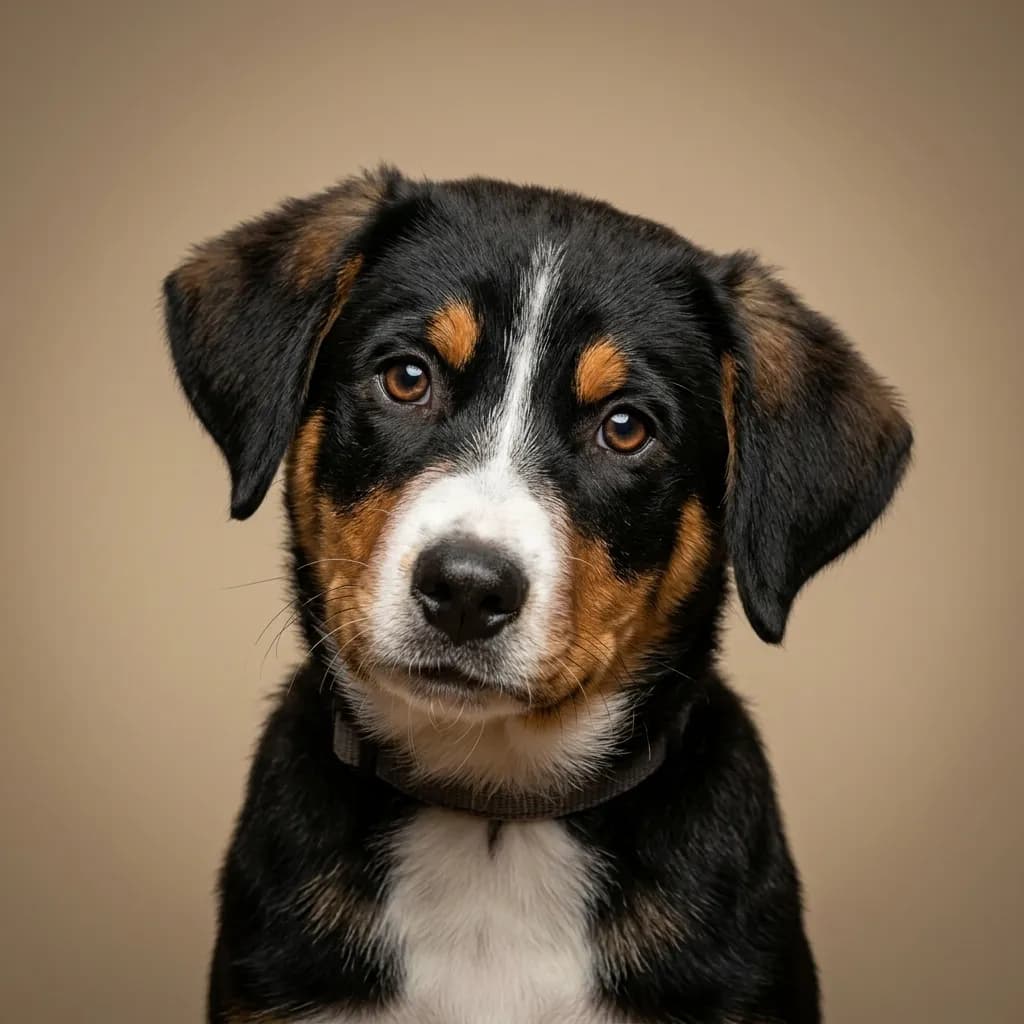
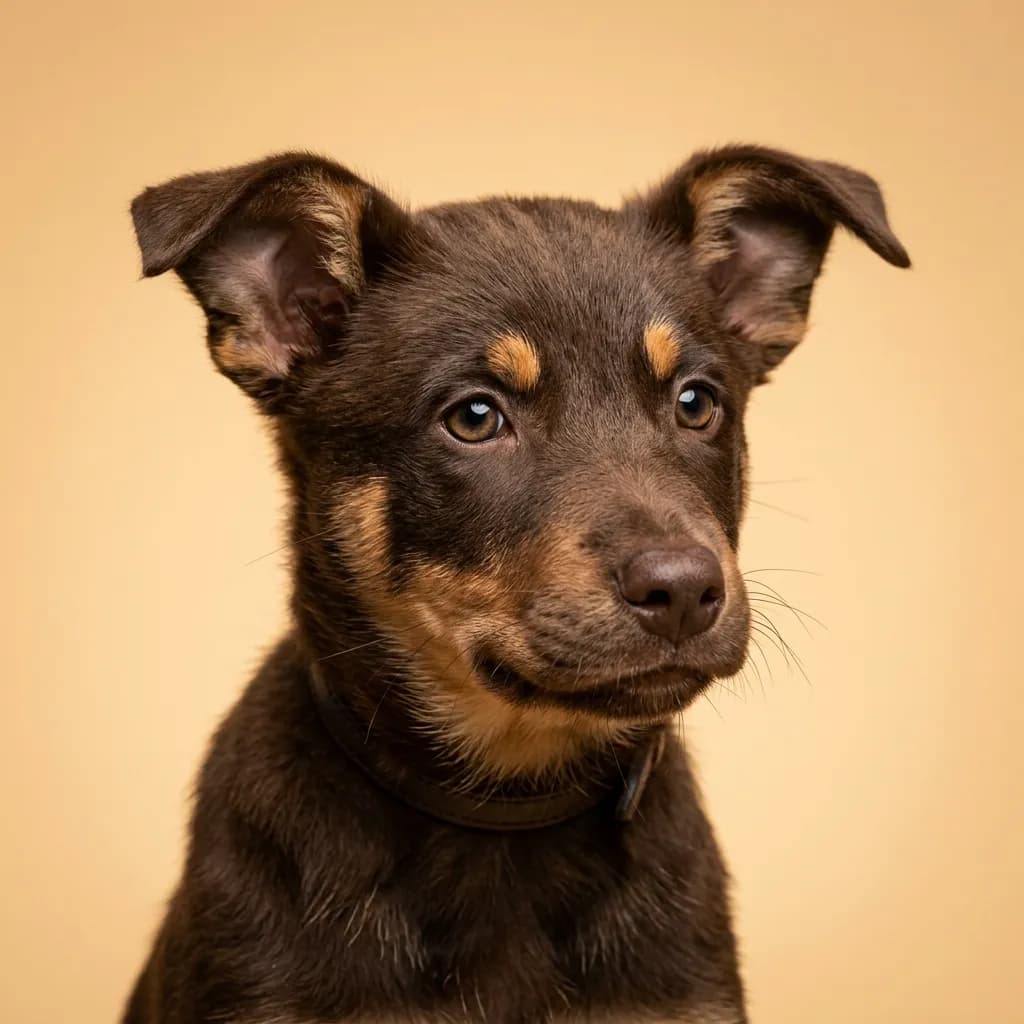
You don’t see Appenzeller Sennenhunds and Working Kelpies squared off at dog parks, but if you’re deep into working breeds with zero tolerance for laziness, you’ve probably found yourself comparing them. Both are high-drive herding dogs from rugged terrain, built for purpose, not posing. But their rhythm is different. The Appenzeller is the Swiss alpine farmer’s right hand. compact, flashy in tri-color, always moving. He’s got that watchful bark and a stubborn streak that says “I’ll listen, but only if it makes sense to me.” He’s affectionate with his people but not a velcro dog, and he thrives when you give him a job that uses both body and brain. Think agility, carting, or farm chores. But he’s not for the faint of heart; he’ll bark at squirrels like they’re invading armies and won’t settle in small spaces. The Working Kelpie, on the other hand, is pure outback engine. Bred to cover miles in brutal heat, this dog doesn’t just want to work. he needs to. You don’t own a Kelpie, you partner with him. He’s quieter than the Appenzeller but infinitely more driven, with a focus so intense it can feel single-minded. He bonds tightly to his handler and excels at herding, treibball, or any task that demands precision and stamina. Here’s the real talk: If you’re looking for a loyal, spirited farm companion who’ll join family life with flair, the Appenzeller might be your match. But if you work land, run livestock, or need a dog that operates like a GPS-guided drone, the Kelpie is in a league of his own. Neither forgives inactivity. But the Kelpie? He’ll remind you daily that boredom is a sin.
Trait-by-trait
Higher bar = more of that trait. Shedding, barking, drooling, grooming flipped for readability.Where they diverge
Choose the Appenzeller Sennenhund if…
- active families
- experienced owners
- rural and farm settings
- You value affectionate w/ family — Appenzeller Sennenhund scores noticeably higher.
Choose the Working Kelpie if…
- Farmers and ranchers
- Experienced dog owners
- Active rural lifestyles
- You value good with young children — Working Kelpie scores higher here.