Australian Cattle Dog vs Australian Terrier
Side-by-side comparison across all 14 AKC trait ratings, with a clear verdict on which breed fits which kind of household.
Not sure which breed fits your life?
Answer five questions about your home, your schedule, and your tolerance for shedding. We’ll match you to your top three breeds from over 200.
Australian Cattle Dog vs Australian Terrier
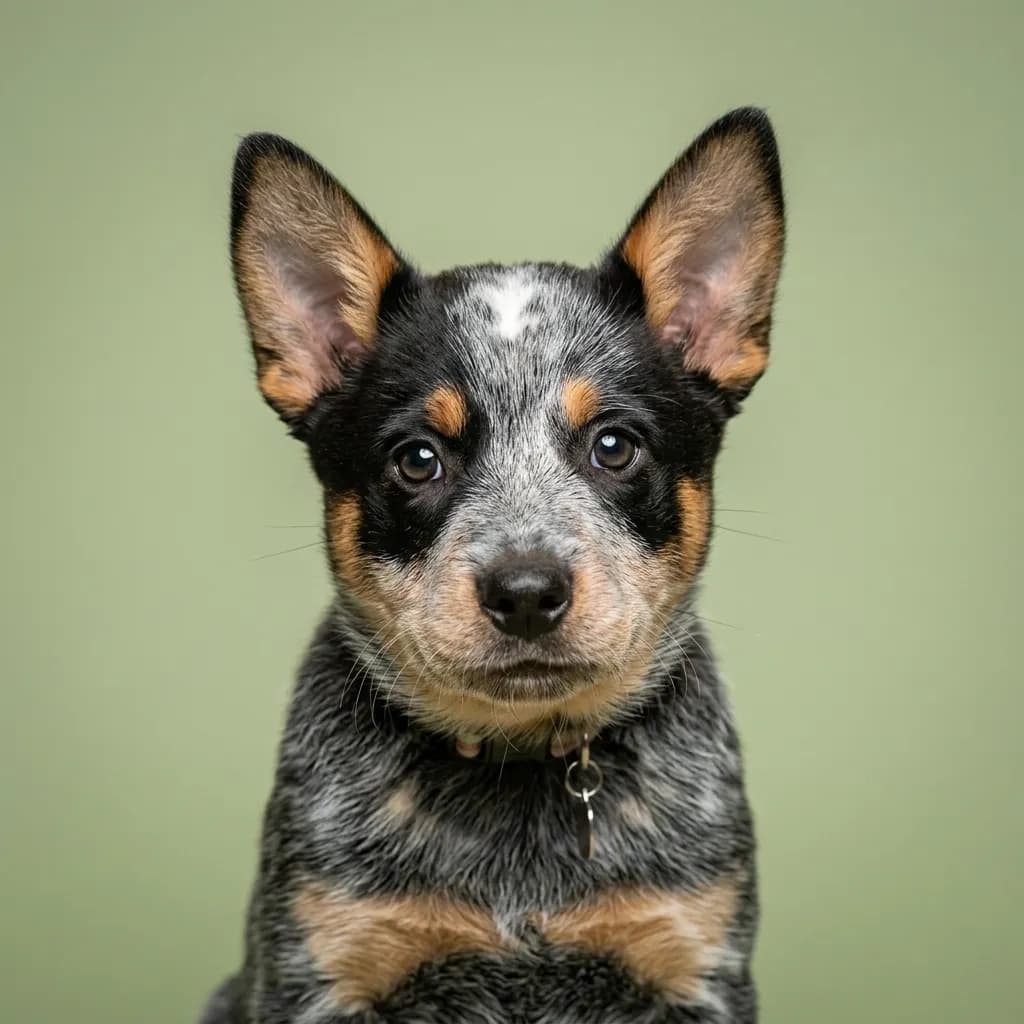
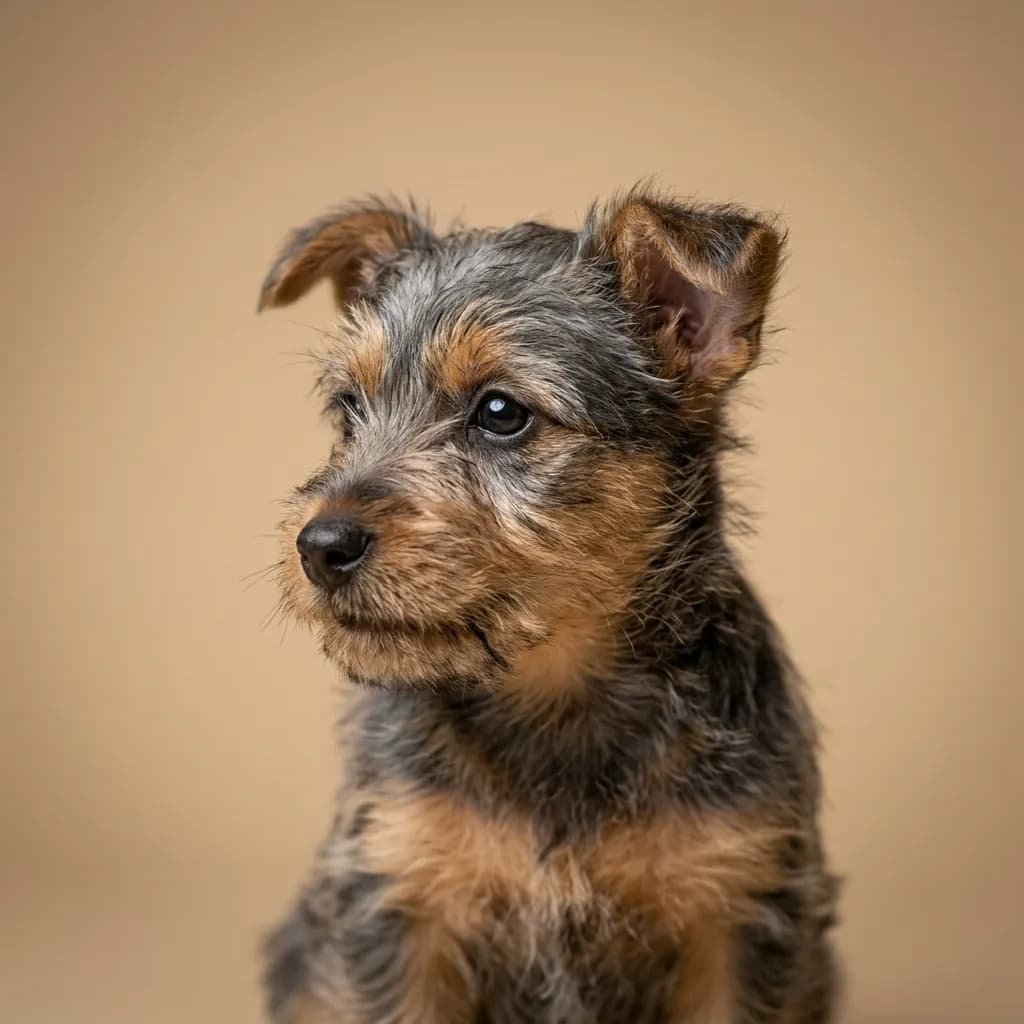
People mix up Australian Cattle Dogs and Australian Terriers because of the “Australian” in the name and the fact that both are tough little packages from Down Under. But that’s where the similarity ends. One’s a marathon runner with a job to do, the other’s a feisty watchdog with a big-dog attitude in a small body. The Cattle Dog is built for motion. Weighing in at 35 to 50 pounds, this is a dog that needs miles of movement, not just a backyard. Bred to drive cattle across scorching outback distances, they’re packed with energy and intelligence. You’ll need to engage their brain or they’ll find their own job. like dismantling your couch. They’re not barkers, which surprises people, but they’re wary with kids and not ideal for first-time owners. You don’t own a Cattle Dog, you train one. And if you’re into dog sports, agility, or long hikes, they’re your partner. The Australian Terrier is a different beast entirely. At 15 to 20 pounds, they’re small enough to fit in a tote bag but bold enough to take on a possum. They were bred to kill snakes and rats, so that terrier spark means they’ll chase anything that moves. They’re louder. barking is their love language. and they’re surprisingly great with kids, which is rare for terriers. They’re adaptable to apartments, but don’t mistake their size for low energy. They need mental work too. Here’s the real talk: the Cattle Dog will change your lifestyle. The Terrier will just yell at it. If you want a shadow who’s always working, go Cattle Dog. If you want a loyal, scrappy companion who’ll guard your toast like it’s gold, the Terrier’s your match.
Trait-by-trait
Higher bar = more of that trait. Shedding, barking, drooling, grooming flipped for readability.Where they diverge
Choose the Australian Cattle Dog if…
- Active people
- Outdoor enthusiasts
- Experienced owners
- You value shedding level — Australian Cattle Dog scores noticeably higher.
Choose the Australian Terrier if…
- Apartments
- Families
- Seniors
- You value barking level — Australian Terrier scores higher here.