Australian Kelpie vs Harrier
Side-by-side comparison across all 14 AKC trait ratings, with a clear verdict on which breed fits which kind of household.
Not sure which breed fits your life?
Answer five questions about your home, your schedule, and your tolerance for shedding. We’ll match you to your top three breeds from over 200.
Australian Kelpie vs Harrier
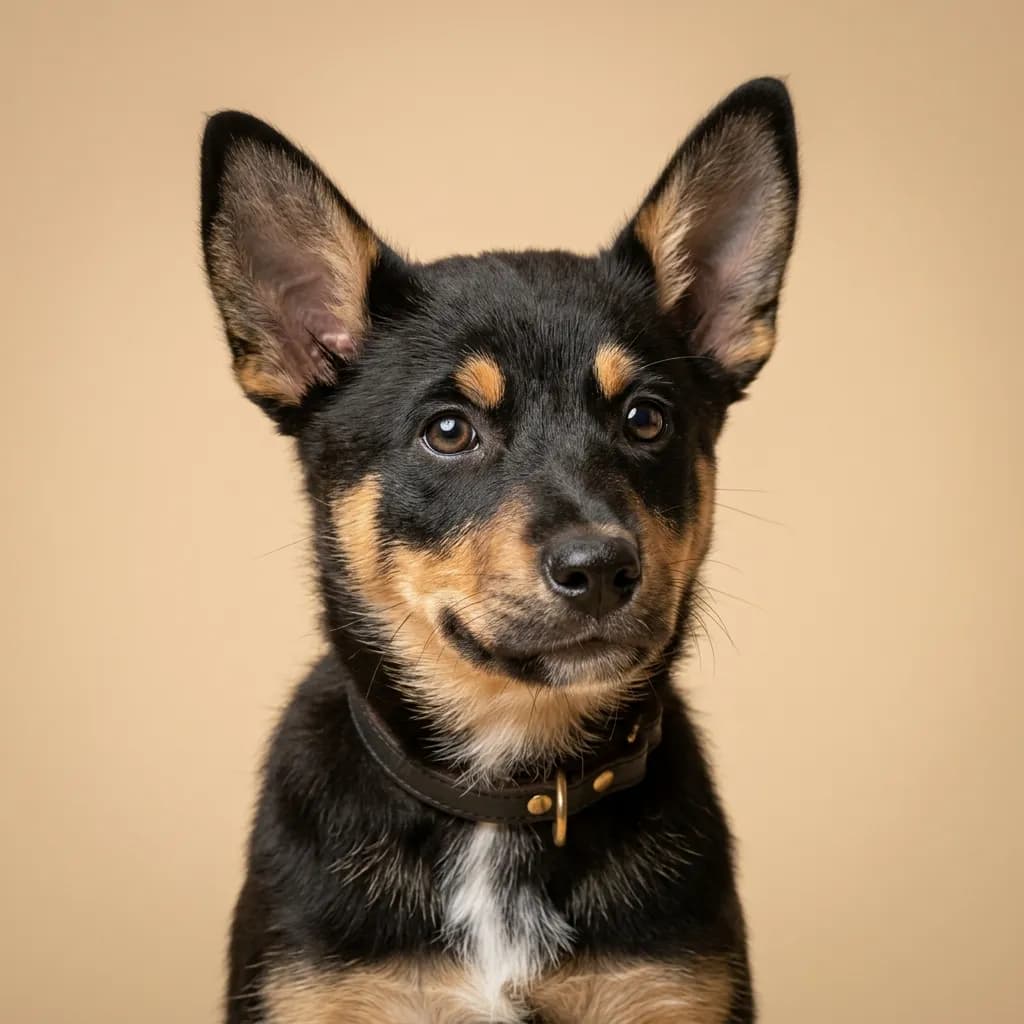
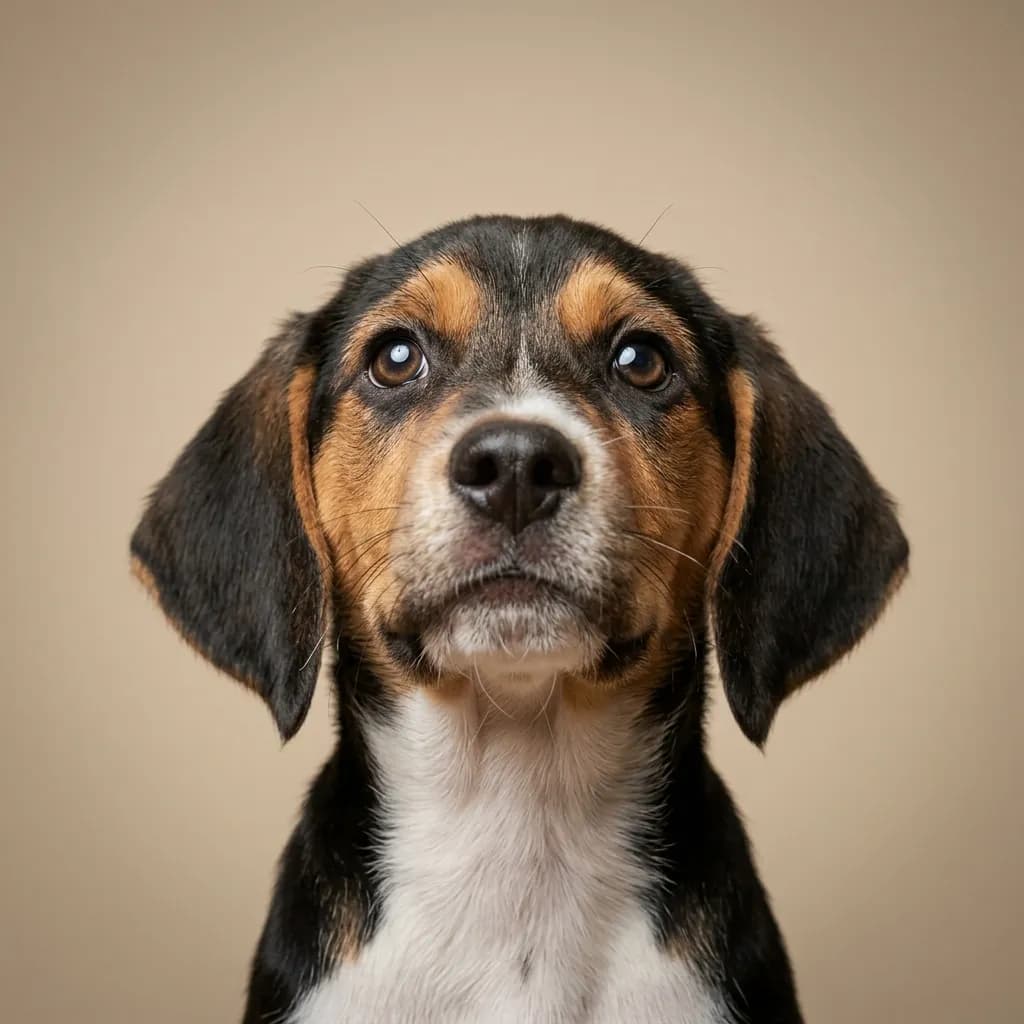
People compare Kelpies and Harriers because they’re both medium-sized, energetic dogs with a working background and a love for the outdoors. But that’s where the similarities end. If you’re torn between them, you’re really choosing between a laser-focused workaholic and a big-hearted hunting buddy. The Australian Kelpie was built for the outback. This dog will herd sheep all day in 100-degree heat and then learn a new trick just to stay sharp. It’s intensely intelligent and deeply loyal, but it demands purpose. Without serious physical and mental work. think agility, herding trials, or long daily hikes. it’ll invent its own jobs, like chewing your baseboards or barking at shadows. It’s not that it’s unfriendly with kids. It’s just not naturally tuned in to them. It’s tuned in to work. The Harrier, on the other hand, was bred to run in packs, baying after hares across the English countryside. It’s more laid-back, more social, and way more vocal. This dog will greet the mailman like a long-lost brother and rally the neighborhood with its baying. It’s better with kids, easier in a family setting, and while it needs exercise, it’s not obsessive about it. You can take a Harrier on a leisurely hike and call it a day. You can’t do that with a Kelpie. Here’s the real talk: if you’re looking for a dog that fits into your relaxed family life and enjoys being part of the chaos, the Harrier’s your bet. But if you’re someone who thrives on routine, training, and outdoor challenges, the Kelpie won’t just meet your energy. it’ll raise the bar. One breeds for companionship in motion. The other lives to work. Pick based on which version of your life you’re actually living.
Trait-by-trait
Higher bar = more of that trait. Shedding, barking, drooling, grooming flipped for readability.Where they diverge
Choose the Australian Kelpie if…
- working farms and ranches
- very active owners
- canine sport enthusiasts
- You value watchdog / protective — Australian Kelpie scores noticeably higher.
Choose the Harrier if…
- Active families
- Hunters
- Rural living
- You value barking level — Harrier scores higher here.