Australian Kelpie vs Mudi
Side-by-side comparison across all 14 AKC trait ratings, with a clear verdict on which breed fits which kind of household.
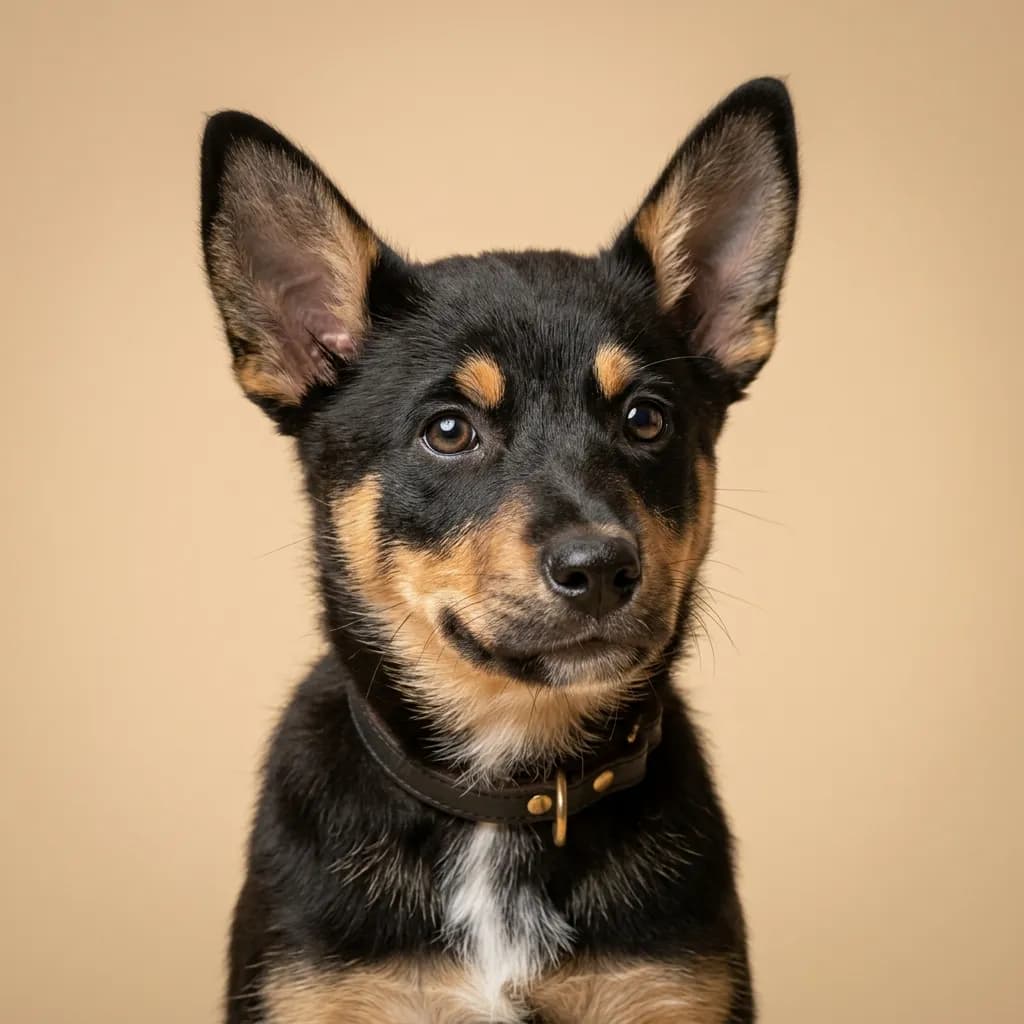
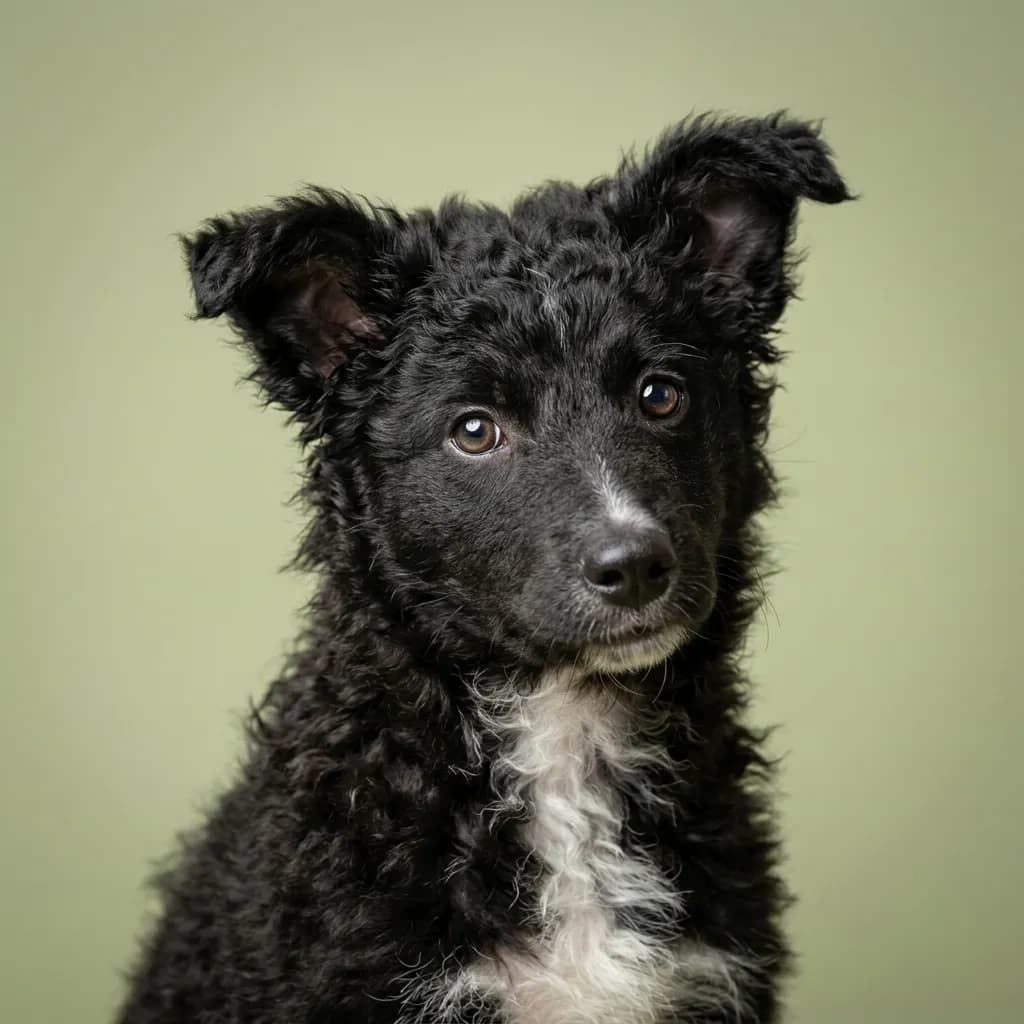
Not sure which breed fits your life?
Answer five questions about your home, your schedule, and your tolerance for shedding. We’ll match you to your top three breeds from over 200.
Australian Kelpie vs Mudi
People compare the Australian Kelpie and the Mudi because they’re both high-octane herding dogs with a serious work ethic and a look that says “I will outthink you.” But beneath that shared intensity, they’re built for different kinds of chaos. If you're choosing between them, you're not just picking a dog, you're picking a lifestyle. The Kelpie is a marathon runner of the dog world. Bred to cover endless Australian rangelands, this dog has stamina that won’t quit. At 35 to 50 pounds, it’s larger and built for heat and grit. It’s a little less yappy than the Mudi. barking isn’t its go-to. but don’t expect a quiet companion. It needs space and a job, whether that’s agility, barn hunts, or actual livestock. Without it, you’ll get chewed-up shoes and a dog that’s quietly judging your life choices. The Mudi, on the other hand, is the scrappy, vocal strategist. Lighter, at under 30 pounds, with a wilder coat and a louder opinion, the Mudi thrives on interaction and variety. It’s more adaptable to different living situations. if you’re out hiking every day. but you’ll hear about it if you’re late with dinner. It’s slightly more vocal, more reactive, and frankly, a little weirder in the best way. Hungarians used them to herd, yes, but also to hunt, and that versatility shows in their boldness around new stimuli. Here’s the real difference: the Kelpie will follow your lead across a desert without complaint. The Mudi will figure out a better route and expect a treat for the suggestion. If you want a focused, durable worker, go Kelpie. If you want a clever, animated partner who lives for challenge and connection, the Mudi might just run circles around your expectations. Just don’t expect either to nap on the couch without a full day’s work first.
Trait-by-trait
Higher bar = more of that trait. Shedding, barking, drooling, grooming flipped for readability.Where they diverge
Choose the Australian Kelpie if…
- working farms and ranches
- very active owners
- canine sport enthusiasts
- You value shedding level — Australian Kelpie scores noticeably higher.
Choose the Mudi if…
- Active families
- Experienced herding breed owners
- Dog sport enthusiasts
- You value barking level — Mudi scores higher here.