Australian Kelpie vs Toy Poodle
Side-by-side comparison across all 14 AKC trait ratings, with a clear verdict on which breed fits which kind of household.
Not sure which breed fits your life?
Answer five questions about your home, your schedule, and your tolerance for shedding. We’ll match you to your top three breeds from over 200.
Australian Kelpie vs Toy Poodle
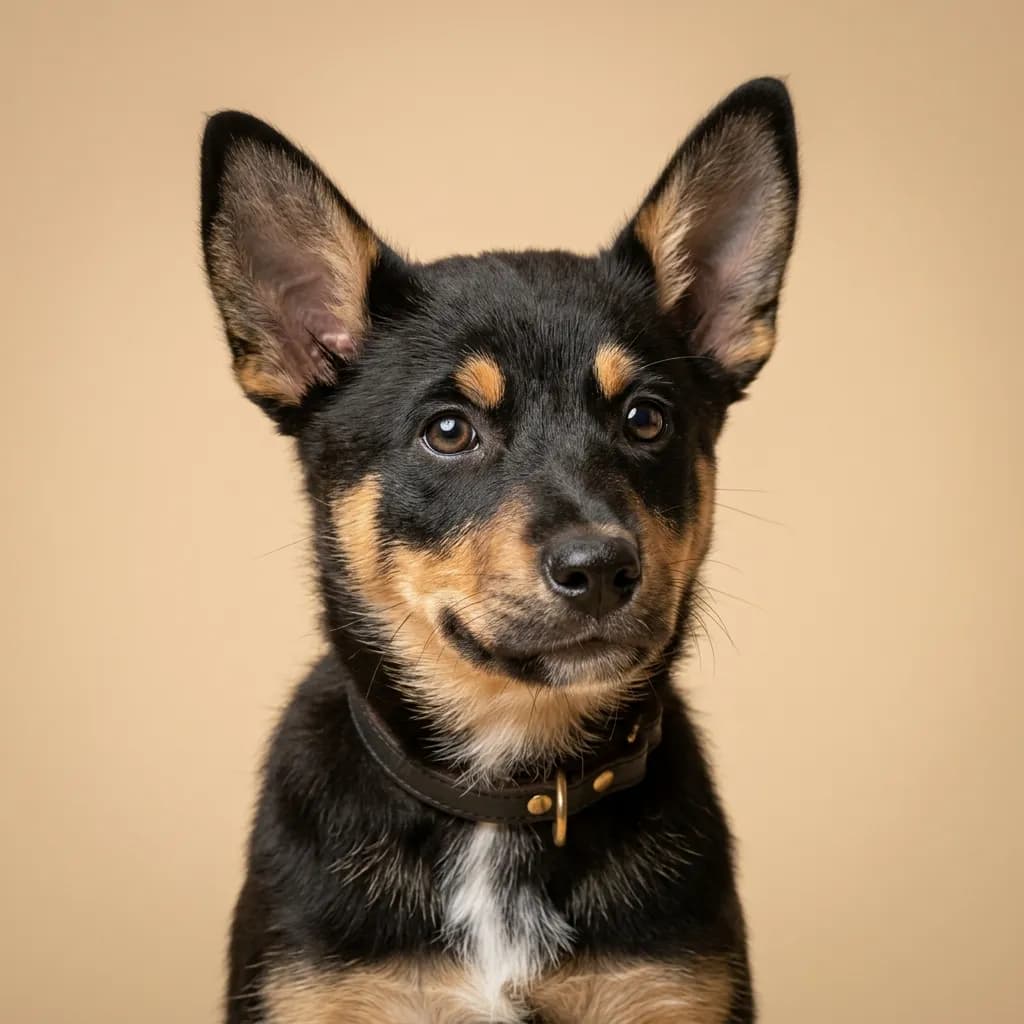
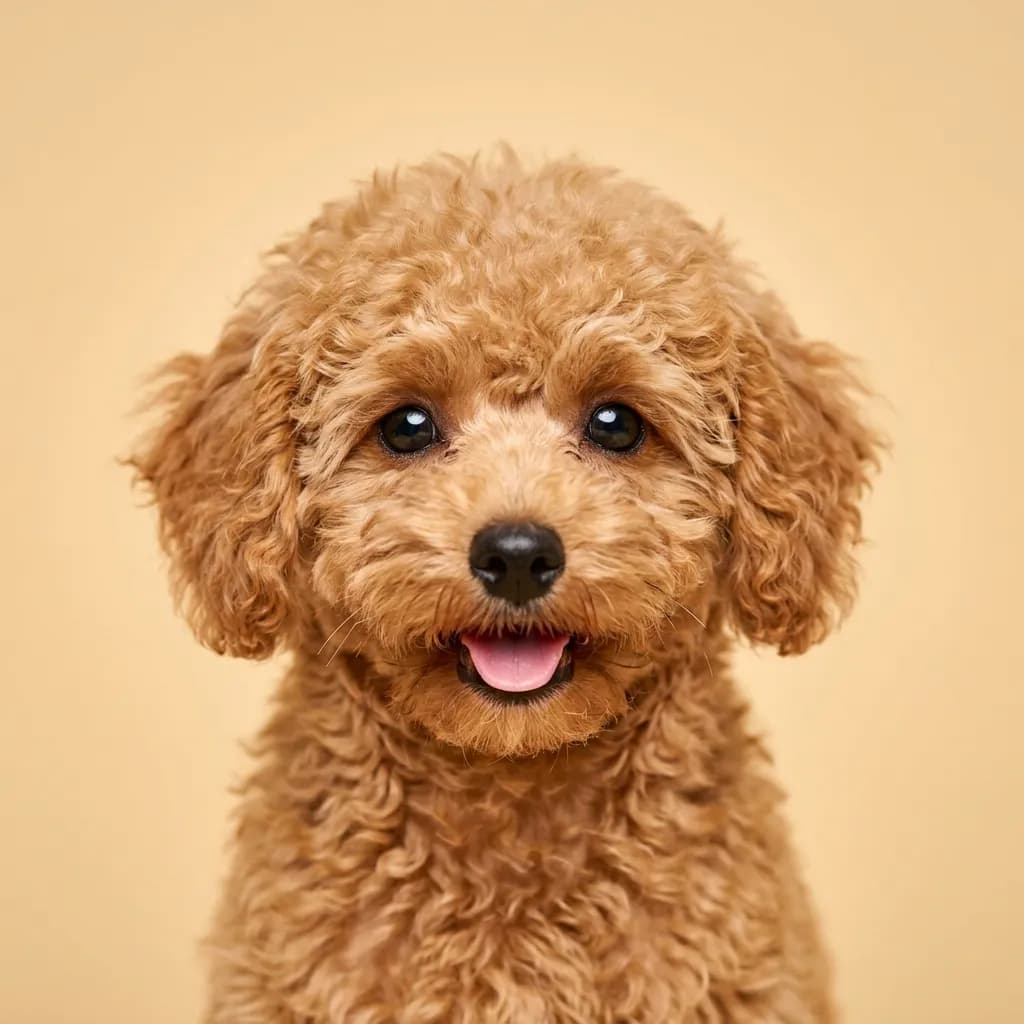
People compare the Australian Kelpie and the Toy Poodle because both are brainy, high-scoring dogs that thrive on human connection. but that’s where the similarities end. You’re not just choosing between big and small. You’re picking two entirely different relationships with a dog. The Kelpie was forged on the sunbaked sheep stations of Australia, built to cover miles before breakfast and stay sharp all day. This isn’t a dog you casually walk; it needs a job, a sport, or a handler who hikes, bikes, or trains like it’s their job too. Without real mental and physical work, a Kelpie will invent its own tasks. like herding your kids or barking at shadows. They’re loyal to the point of obsession and bond deeply, but they’re not cuddly roommates. And while they don’t bark much, their energy is relentless. If you live in an apartment or work 9-to-5, this dog will break your heart. or your furniture. The Toy Poodle, barely tipping the scales at 6 pounds, was never meant for open range. It was bred for salons and laps, for performing under spotlights and charming strangers. It’s alert, witty, and surprisingly sturdy in temperament. It adapts to city living, seniors, and first-time owners with ease. But don’t mistake its size for low demand. this dog needs grooming every 4 to 6 weeks and hates being left alone for hours. It bonds fiercely and can become anxious without routine and companionship. Here’s the truth beyond the data: intelligence in a Kelpie means independence. In a Toy Poodle, it means eagerness to please. One wants to lead beside you. The other wants to sit with you. Pick based on where you want your dog in your life. by your side in motion, or in your lap at rest.
Trait-by-trait
Higher bar = more of that trait. Shedding, barking, drooling, grooming flipped for readability.Where they diverge
Choose the Australian Kelpie if…
- working farms and ranches
- very active owners
- canine sport enthusiasts
- You value shedding level — Australian Kelpie scores noticeably higher.
Choose the Toy Poodle if…
- Apartment living
- Allergy sufferers
- Seniors
- You value coat grooming — Toy Poodle scores higher here.