Australian Kelpie vs Puli
Side-by-side comparison across all 14 AKC trait ratings, with a clear verdict on which breed fits which kind of household.
Not sure which breed fits your life?
Answer five questions about your home, your schedule, and your tolerance for shedding. We’ll match you to your top three breeds from over 200.
Australian Kelpie vs Puli
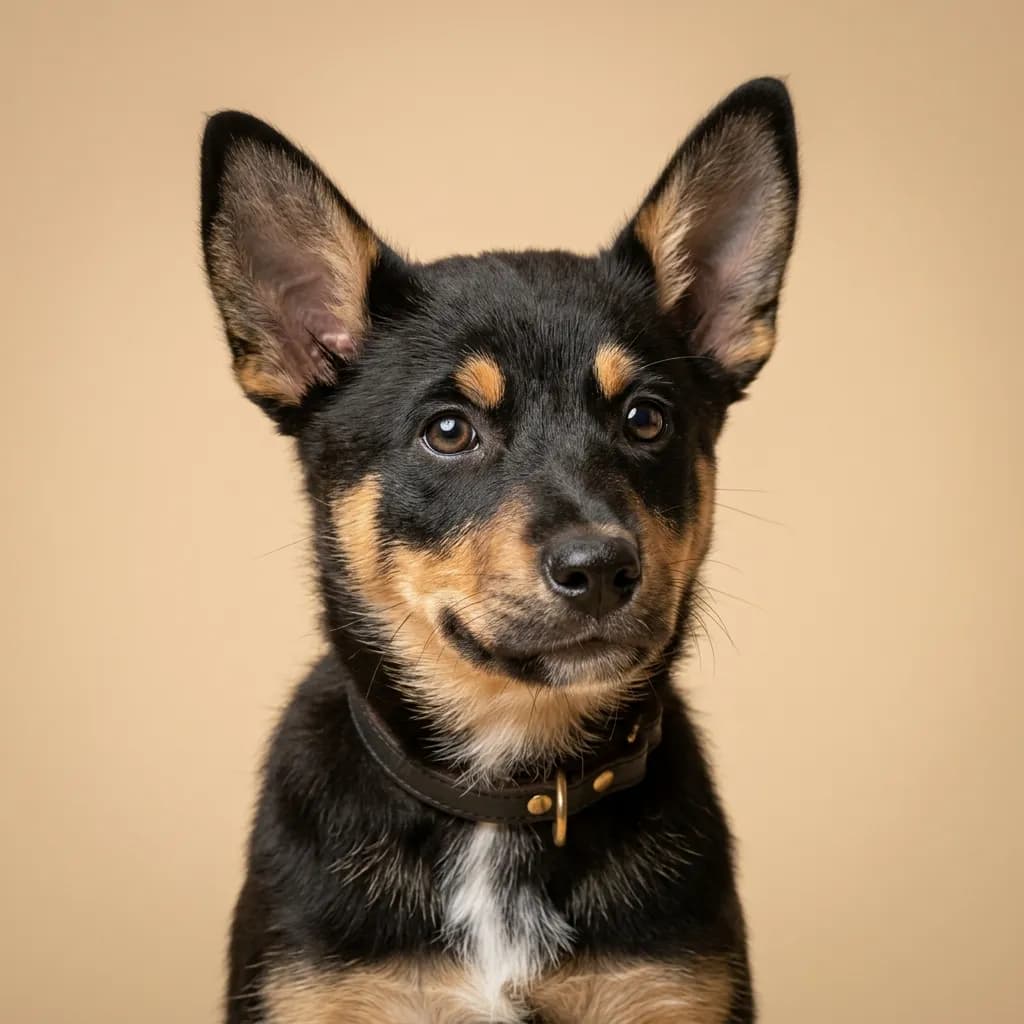
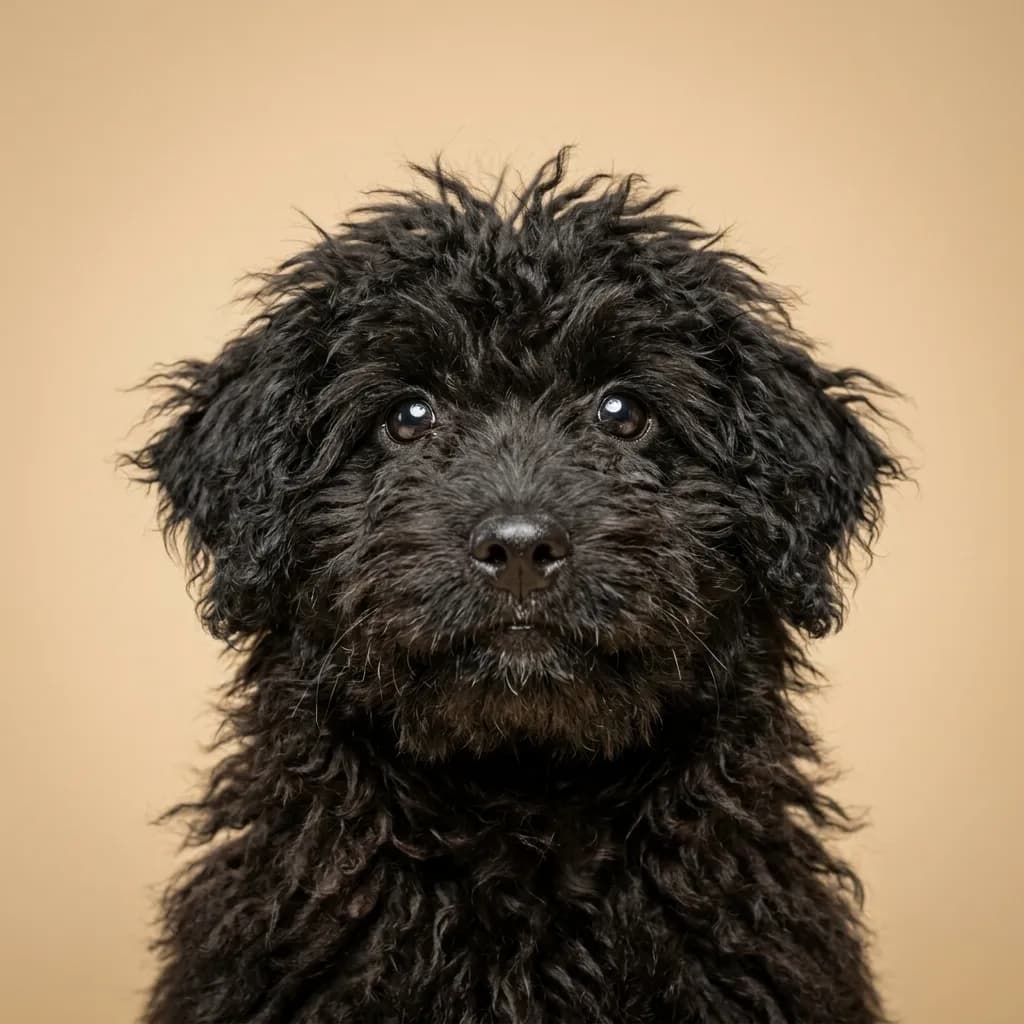
People compare the Australian Kelpie and the Puli because both are herding breeds with big personalities and coats that turn heads. But that’s where the similarities end. If you’re torn between them, you’re really deciding between raw horsepower and a more compact, quirky companion. both brilliant, both intense, but in very different ways. The Kelpie is a machine built for motion. Bred to cover miles of Australian outback herding sheep, this dog won’t just keep up with your mountain hikes or agility drills, it’ll look at you like you’re slacking. Five out of five on energy and mental stimulation isn’t a suggestion. it’s a requirement. You need space, time, and a job for this dog, or it’ll invent its own (probably involving your garden or the neighbor’s cat). It’s loyal and affectionate, but on its terms. And good luck in an apartment. this dog will pace through the walls. The Puli looks like a mop that came to life, but don’t be fooled by the circus coat. Underneath is a sharp, people-oriented dog that thrives on closeness and routine. It’s more adaptable than the Kelpie, okay in a smaller home if exercised, but that coat? It’s a full-time commitment. You can’t just brush it. you maintain it. Think dreadlocks, not curls. And while it’s less physically intense, it’s still a herder. It watches, alerts, and bonds deeply. But unlike the Kelpie, it wants to be with you, not out working 50 yards ahead. Here’s the real talk: both need experienced hands, but for opposite reasons. The Kelpie will outlast and outthink you. The Puli will out-feel you. If you want a dog that’s always working, go Kelpie. If you want a dog that feels like family in the deepest sense. and you don’t mind looking like you adopted a pile of wool. go Puli.
Trait-by-trait
Higher bar = more of that trait. Shedding, barking, drooling, grooming flipped for readability.Where they diverge
Choose the Australian Kelpie if…
- working farms and ranches
- very active owners
- canine sport enthusiasts
- You value shedding level — Australian Kelpie scores noticeably higher.
Choose the Puli if…
- Active families
- Experienced dog owners
- Those wanting a unique coat
- You value coat grooming — Puli scores higher here.