Australian Kelpie vs Saluki
Side-by-side comparison across all 14 AKC trait ratings, with a clear verdict on which breed fits which kind of household.

Not sure which breed fits your life?
Answer five questions about your home, your schedule, and your tolerance for shedding. We’ll match you to your top three breeds from over 200.
Australian Kelpie vs Saluki
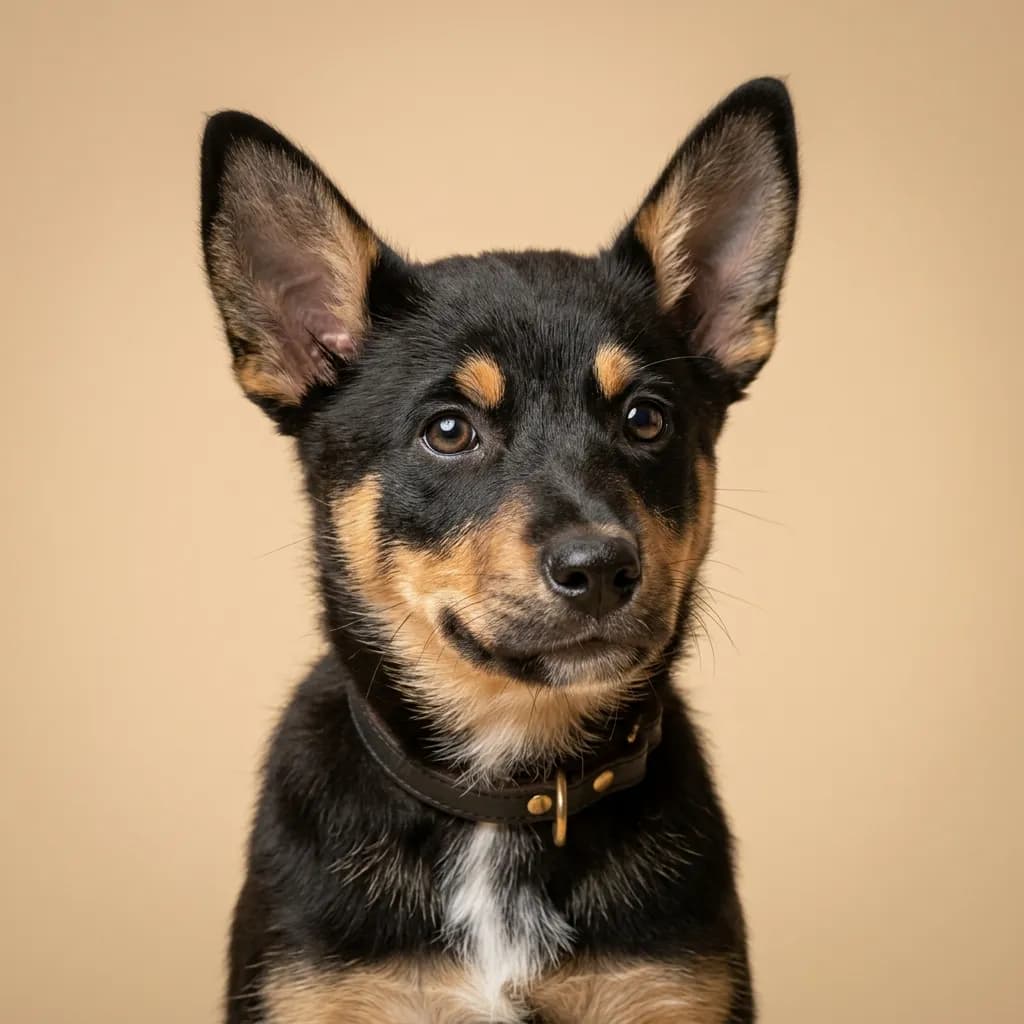
People compare Kelpies and Salukis because both are lean, athletic, built for speed and endurance, and often come up when you’re searching for a high-energy, intelligent dog with a touch of wild elegance. But that’s where the similarities end. These breeds solve completely different problems, and choosing between them is really about choosing what kind of life you’re offering. The Australian Kelpie thrives on work. This is a dog that thinks in tasks, lives for challenges, and will herd your kids around the yard if you don’t give it a job. Bred to cover 30-mile days on the outback, it’s tireless, intensely focused, and deeply bonded to its handler. You don’t just walk a Kelpie. you train it, challenge it, or risk a very creative, very destructive dog. The Saluki, by contrast, is the desert’s answer to speed. It’s not driven by obedience but by instinct. When it runs, it’s not for you. it’s for the chase. Calm indoors, even aloof, it’s affectionate on its own terms. Think of it as the athlete who meditates between sprints. Salukis don’t need constant direction, but they do need space to bolt safely. A fence isn’t optional. A leash isn’t negotiable. Here’s the real difference: Kelpies want to follow you through hell; Salukis will let you follow them. if they’re in the mood. Pick a Kelpie if you’re into dog sports, have time to train, and live an active life with structure. Pick a Saluki if you appreciate quiet dignity, have a secure yard, and value a graceful companion who just happens to hit 40 mph when something moves. The honest truth? Both are too much dog for most people. but in entirely different ways.
Trait-by-trait
Higher bar = more of that trait. Shedding, barking, drooling, grooming flipped for readability.Where they diverge
Choose the Australian Kelpie if…
- working farms and ranches
- very active owners
- canine sport enthusiasts
- You value watchdog / protective — Australian Kelpie scores noticeably higher.
Choose the Saluki if…
- Active owners with running space
- Experienced sighthound owners
- Those wanting an elegant, quiet breed
- You value barking level — Saluki scores higher here.