Australian Kelpie vs Stabyhoun
Side-by-side comparison across all 14 AKC trait ratings, with a clear verdict on which breed fits which kind of household.
Not sure which breed fits your life?
Answer five questions about your home, your schedule, and your tolerance for shedding. We’ll match you to your top three breeds from over 200.
Australian Kelpie vs Stabyhoun
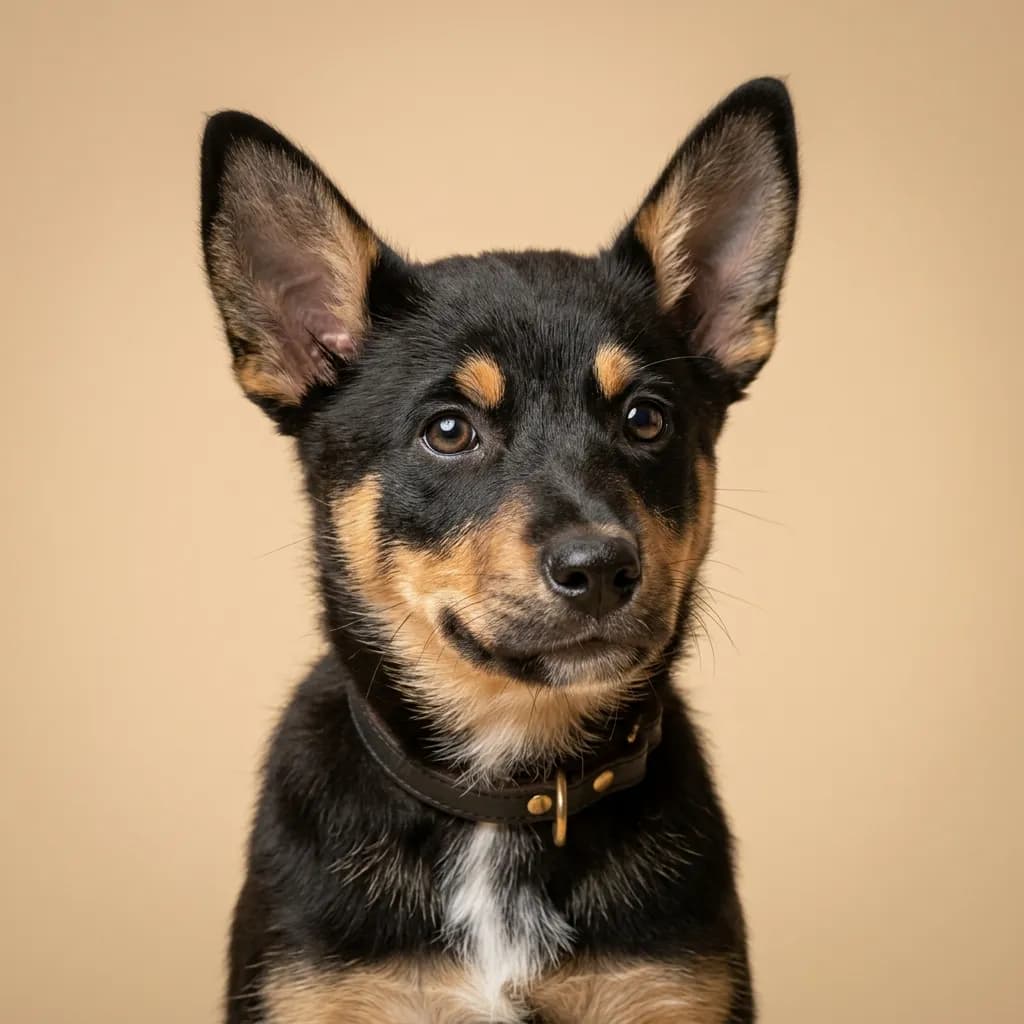
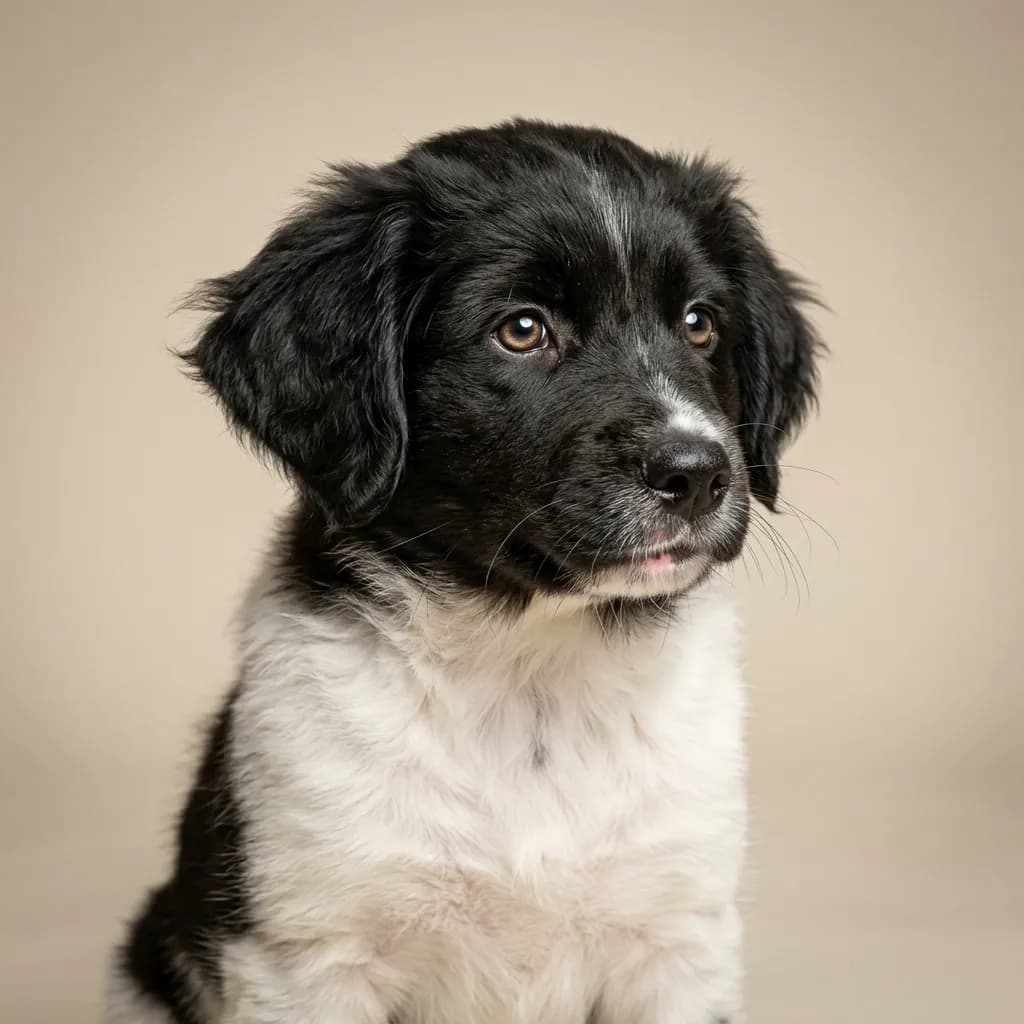
People compare the Australian Kelpie and the Stabyhoun because both are rare, intelligent, medium-sized working dogs with a calm dignity and serious work ethic. On paper, they look similar. both need activity and purpose. but their rhythms are different, like two musicians playing the same tempo with entirely different feeling. The Kelpie is all engine. Bred to cover miles of outback in a single day, this dog doesn’t just want activity, it craves relentless physical and mental demand. You don’t own a Kelpie. you train it, work it, channel it. It’s loyal and affectionate, yes, but on its own terms. It’ll herd your kids, bolt after a squirrel, or dismantle your backyard if under-stimulated. Families with a farm or a dog sports agenda will thrive with one. But if you’re not moving, this dog will make you regret it. The Stabyhoun, in contrast, is the thoughtful partner. From the wetlands of the Netherlands, it was bred to hunt, retrieve, and then settle at the farmhouse table. It’s still energetic and needs daily challenges, but it’s more in tune with human emotion, more adaptable to family life. It’s the kind of dog that’ll excel in agility, then curl up calmly with your toddler. It’s easier to live with in a suburban home. provided you’re still active. Here’s the real difference beyond the stats: the Kelpie lives to work. The Stabyhoun lives to be your companion in work and rest. If you want a dog that transforms your lifestyle into a mission, pick the Kelpie. If you want a dog that becomes your quiet, capable shadow through life’s rhythm, the Stabyhoun might be one of the best dogs you’ve never heard of.
Trait-by-trait
Higher bar = more of that trait. Shedding, barking, drooling, grooming flipped for readability.Where they diverge
Choose the Australian Kelpie if…
- working farms and ranches
- very active owners
- canine sport enthusiasts
- You value watchdog / protective — Australian Kelpie scores noticeably higher.
Choose the Stabyhoun if…
- active families
- hunters and waterfowl retrievers
- dog sport enthusiasts
- You value good with young children — Stabyhoun scores higher here.