Australian Shepherd vs Bulldog
Side-by-side comparison across all 14 AKC trait ratings, with a clear verdict on which breed fits which kind of household.
Not sure which breed fits your life?
Answer five questions about your home, your schedule, and your tolerance for shedding. We’ll match you to your top three breeds from over 200.
Australian Shepherd vs Bulldog
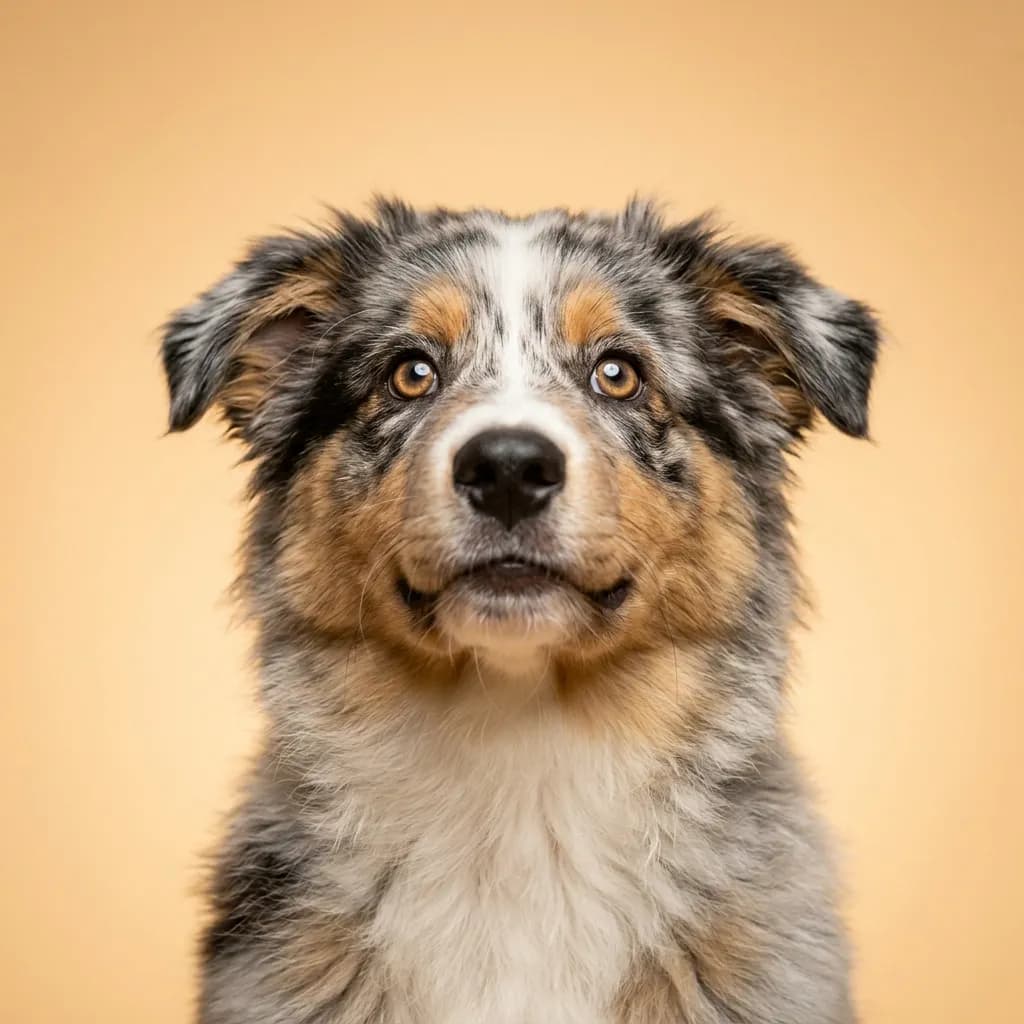
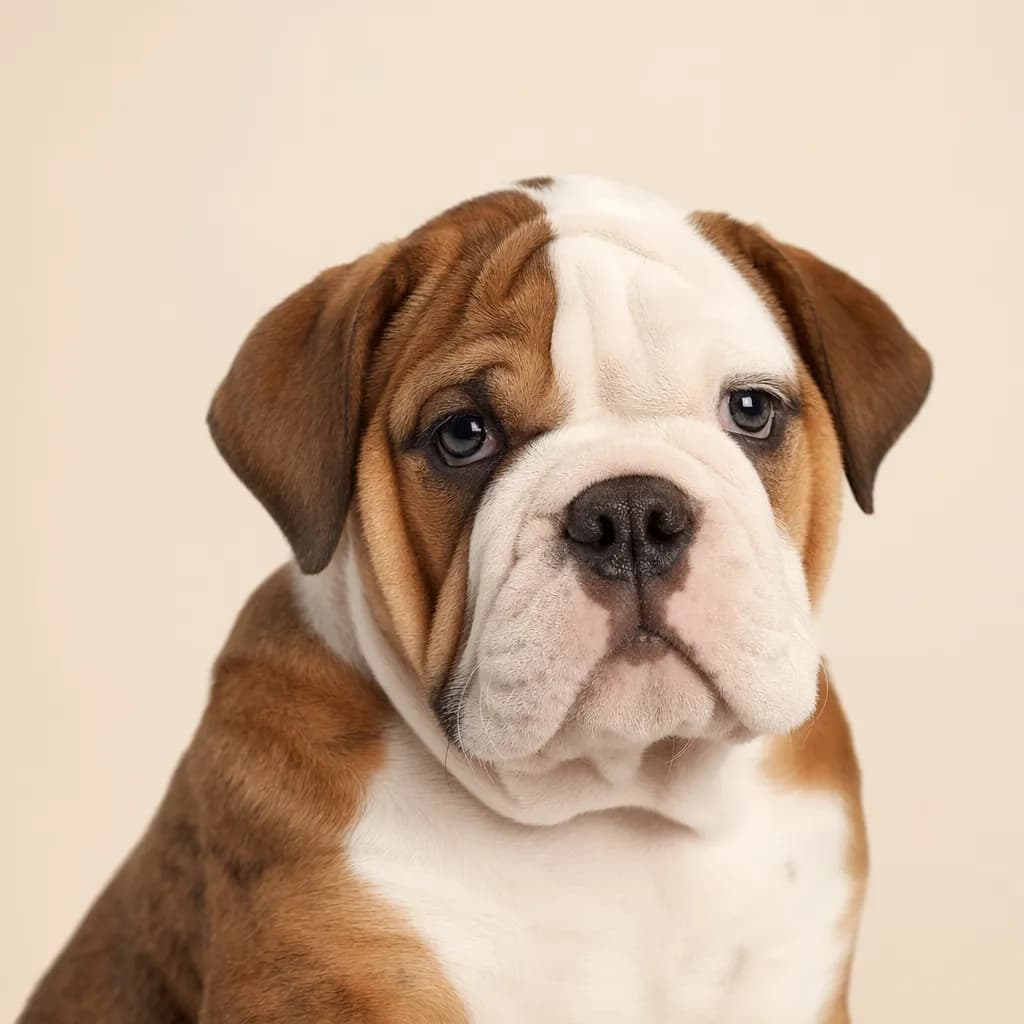
People compare Australian Shepherds and Bulldogs because they’re both medium-sized, recognizable, and show up in family homes, but that’s where the similarity ends. You’re not just choosing between two dogs, you’re picking between two lifestyles. An Australian Shepherd needs movement like it needs air. Bred to herd livestock across vast ranches, this dog will shadow you, work for you, and invent jobs if you don’t give it tasks. It’s brilliant, intense, and emotionally tuned to its person. not overly cuddly, but deeply loyal. If you hike, train, or compete in agility, the Aussie thrives. But if you’re on the couch most nights? It will find ways to entertain itself, like dismantling your trash can or barking at the mail carrier like it’s a national emergency. They adapt poorly to small spaces or inactivity, and their energy and mental needs are non-negotiable. The Bulldog is the opposite kind of commitment. Calm, affectionate, and built low to the ground with a face full of wrinkles, it’s happiest snoozing beside you. It’s not lazy. it’s efficient. Don’t expect fetch in the park; expect a dog that naps 12 hours a day and snores doing it. Bulldogs are great for city living and smaller homes, but their health is fragile. Brachycephalic syndrome means they overheat easily, and vet bills can pile up fast. You’re not just buying a dog; you’re signing up for potential surgeries, special diets, and climate-controlled walks. Here’s the real insight: the Aussie demands time, the Bulldog demands money. One will exhaust you with activity, the other with medical costs. Choose based on what you can truly sustain.
Trait-by-trait
Higher bar = more of that trait. Shedding, barking, drooling, grooming flipped for readability.Where they diverge
Choose the Australian Shepherd if…
- Active people
- Families
- Dog sports enthusiasts
- You value good with young children — Australian Shepherd scores noticeably higher.
Choose the Bulldog if…
- Apartment living
- Families with children
- Less active owners
- You value drooling level — Bulldog scores higher here.