Australian Shepherd vs German Spitz
Side-by-side comparison across all 14 AKC trait ratings, with a clear verdict on which breed fits which kind of household.

Not sure which breed fits your life?
Answer five questions about your home, your schedule, and your tolerance for shedding. We’ll match you to your top three breeds from over 200.
Australian Shepherd vs German Spitz
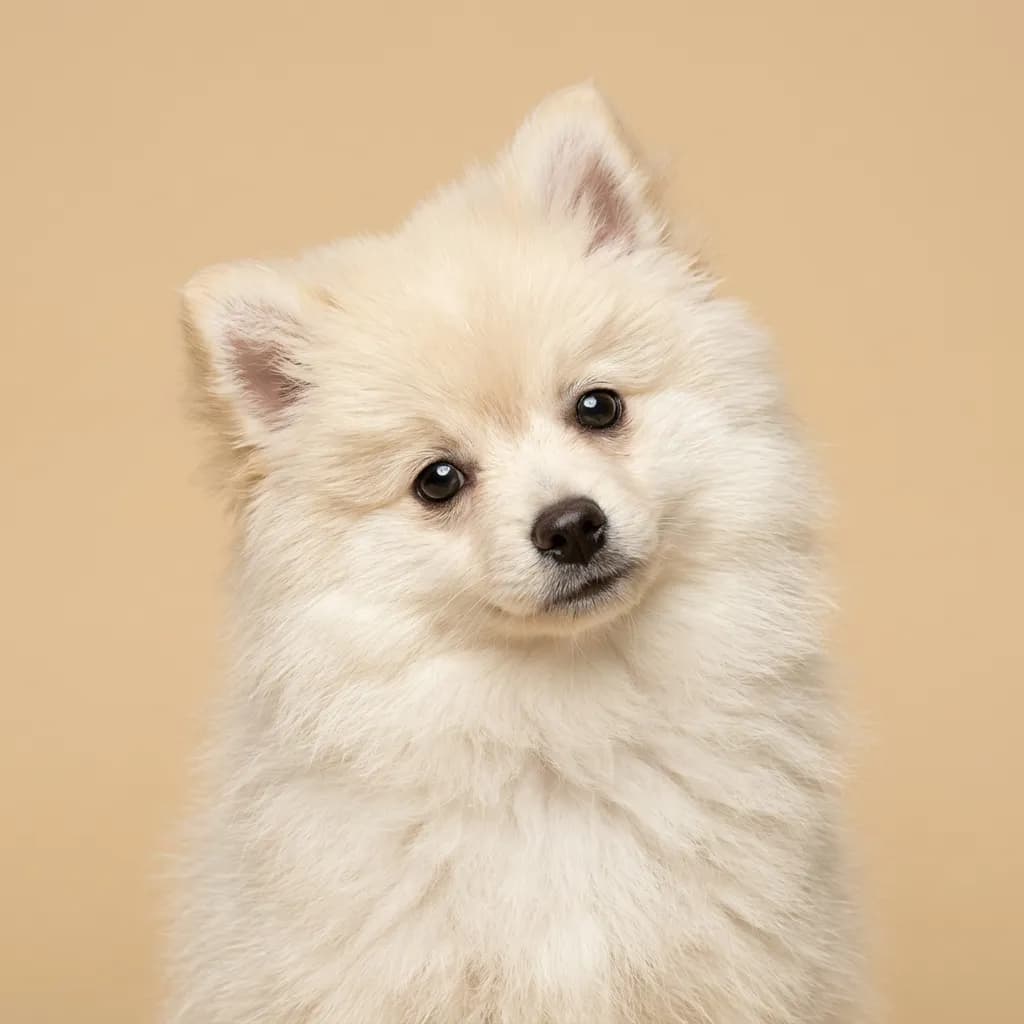
People compare Australian Shepherds and German Spitz because both are smart, loyal, and look kind of striking in their own way. one’s a rangy, intense farm athlete, the other a fluffy, fox-faced charmer. But that’s where the similarity ends. Choosing between them isn’t just preference, it’s lifestyle. The Aussie is built for motion. You’ll need to move with them. long hikes, agility classes, daily training sessions. They thrive on having a job, and if you don’t give them one, they’ll invent their own, like herding your kids or barking at the mailman. They’re brilliant with kids but need space and activity to stay balanced. Apartment life? Forget it. They’ll drive you nuts. The German Spitz, especially the Mittel or Klein variety, is the opposite. Compact, alert, and surprisingly quiet indoors, they’re ideal for city living. They bond deeply and will follow you from room to room, but they’re not built for hours of physical work. Where they shine is vigilance. every car that passes, every bird on the fence, they’ll tell you about it. Barking is their love language, so if your neighbors are thin-walled or thin-skinned, think twice. Here’s the real insight: Aussies need mental exhaustion as much as physical. A tired Aussie is a good Aussie. But a bored German Spitz? That’s just a loud roommate. If you're active, experienced, and want a dog that feels like a teammate, go Aussie. If you want a devoted, manageable companion who’ll alert you to everything and fit in a small home, the Spitz is your dog. Just don’t expect silence.
Trait-by-trait
Higher bar = more of that trait. Shedding, barking, drooling, grooming flipped for readability.Where they diverge
Choose the Australian Shepherd if…
- Active people
- Families
- Dog sports enthusiasts
- You value good with young children — Australian Shepherd scores noticeably higher.
Choose the German Spitz if…
- Apartment dwellers
- Families with children
- Alert watchdog
- You value barking level — German Spitz scores higher here.